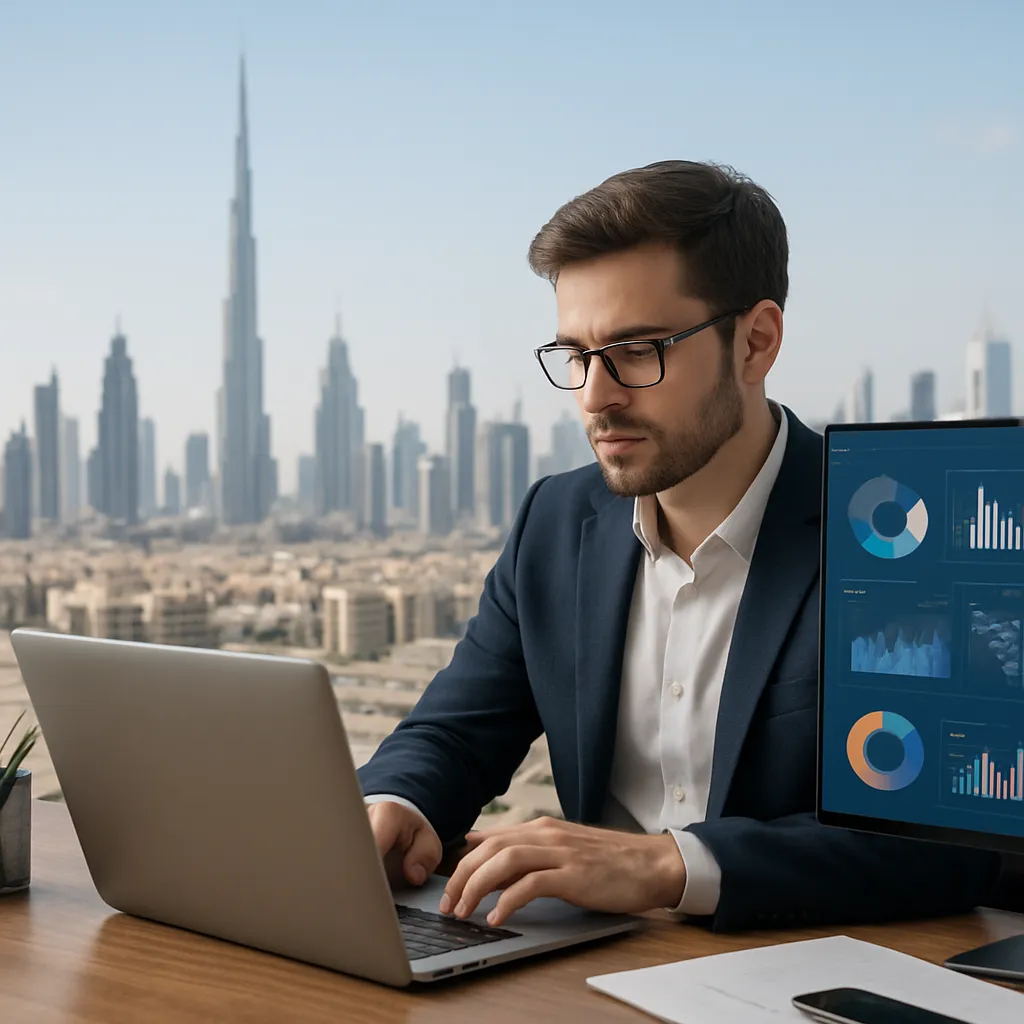
Understanding Dubai’s Digital Marketing Landscape
Dubai has transformed from a regional trading hub into one of the world’s most ambitious digital economies. Ambitious government strategies, a young and multicultural population, and rapid technology adoption have created a unique environment for online promotion. Understanding how consumers in Dubai search, shop and interact with brands is crucial for any company that wants to succeed in this highly competitive market.
The foundations of Dubai’s digital marketing ecosystem
Dubai operates at the crossroads of East and West, with residents and visitors from over 200 nationalities. This diversity shapes everything from language choices in campaigns to preferred social platforms and payment methods. Brands must balance global best practices with a deep understanding of local culture, norms and regulations.
The UAE has one of the highest internet penetration rates in the world. Various industry reports estimate that well over 99% of the population is online, and smartphone penetration exceeds 95%. Average daily social media usage often reaches three hours or more, which makes **social** platforms an indispensable channel for awareness and engagement. High connectivity also accelerates trends such as mobile-first websites, app-based loyalty programs and on-demand delivery services.
Government initiatives play a central role in shaping the digital environment. Programs like Smart Dubai, Dubai Paperless Strategy and various free-zone incentives have attracted **technology** startups, global platforms and digital-first brands. The city invests heavily in 5G infrastructure, artificial intelligence and cloud computing, which supports advanced advertising technologies such as programmatic buying, predictive analytics and dynamic creative optimization.
Another pillar of the ecosystem is the region’s strong e-commerce growth. The UAE’s online retail market has expanded rapidly, helped by high disposable income, widespread use of digital payments and a booming logistics sector. The presence of major marketplaces such as Amazon.ae and Noon, along with niche vertical platforms for fashion, groceries and luxury goods, gives brands multiple routes to market. This, in turn, increases the importance of performance **marketing**, conversion optimization and customer lifetime value strategies.
Language and cultural sensitivity remain crucial. While English is widely used in business and marketing, Arabic remains the official language and is essential for campaigns targeting Emirati nationals and many Arab expats. Messaging must respect local values, religious observances and regulations concerning content, imagery and data privacy. Seasonality is strongly influenced by Ramadan, Eid, back-to-school periods and major shopping festivals such as Dubai Shopping Festival and Dubai Summer Surprises.
Key channels shaping online visibility in Dubai
Dubai’s digital marketing landscape is multi-layered. Brands rarely rely on a single channel; instead, they orchestrate search, social, content and paid media to create consistent journeys across touchpoints. The balance of channels can differ significantly from Europe or North America due to demographic factors and platform preferences.
Search engines are still a primary discovery tool for products and services. Google enjoys a dominant market share in the UAE, which makes **SEO** and paid search (PPC) critical components of any strategy. Local businesses in sectors like hospitality, real estate, healthcare and professional services invest in optimizing Google Business Profiles, local keywords and multilingual landing pages. High competition for commercial terms drives up cost-per-click in industries such as property, banking and tourism, which forces brands to improve quality scores, ad relevance and conversion rates.
Social media platforms are particularly powerful in Dubai because of the city’s visually driven lifestyle and strong influencer culture. Instagram, TikTok, Snapchat, YouTube and LinkedIn each play distinct roles. Instagram and TikTok dominate lifestyle, fashion, food and entertainment content, while LinkedIn is central for B2B lead generation and employer branding. YouTube remains a key channel for long-form video, tutorials and Arabic-language shows. Many brands also leverage WhatsApp for customer support, notifications and private community building, aligning with how residents naturally communicate.
Influencer and creator marketing has become a major force. Dubai-based influencers often command regional audiences across the Gulf Cooperation Council, particularly in sectors like beauty, travel, automotive and high-end retail. Brands collaborate with both mega-influencers and micro-creators to run product launches, unboxings, live streams and “day in the life” content. Regulations require clear disclosure of paid partnerships, and the city’s focus on reputation means that authenticity and brand alignment are essential when selecting partners.
Paid advertising options have diversified. Programmatic display, retargeting, native advertising and in-app placements complement classic search and social ads. Many campaigns combine geo-targeting around malls, tourist hotspots and business districts with audience segments based on interests, income level or travel behavior. For tourism-focused campaigns, targeting is often extended to international audiences in source markets such as Europe, India and the wider Middle East, using localized creatives and time-zone optimized delivery.
Email and marketing automation remain important, especially in e-commerce, hospitality and financial services. Brands use segmented mailing lists to deliver personalized offers, abandoned-cart reminders, loyalty program updates and post-stay surveys. Modern automation platforms integrate with CRM and point-of-sale systems to trigger messages based on behavior, such as browsing a particular property type on a real estate portal or visiting a car dealership showroom.
Content marketing has grown more sophisticated. Companies publish bilingual blogs, video series, city guides and educational resources tailored to residents, investors and tourists. Real estate developers create in-depth neighborhood overviews and virtual tour videos. Fintech startups publish explainers on digital payments and cybersecurity. This type of content supports inbound **marketing**, thought leadership and organic search visibility, while also nurturing prospects along longer consideration cycles.
Consumer behavior, data and the future of digital marketing in Dubai
Understanding how consumers in Dubai make decisions is vital for designing effective campaigns. The city’s population is relatively young, urban and tech-savvy. Many residents are expatriates who research extensively online before making commitments in areas like housing, education, healthcare or financial services. Reviews, ratings and word-of-mouth via online communities weigh heavily in choices, especially for restaurants, beauty salons and leisure activities.
The mobile phone sits at the center of this behavior. Residents browse social feeds, compare prices, order food, book taxis, pay bills and manage investments from their smartphones. As a result, mobile page speed, responsive design and frictionless checkout experiences are non-negotiable. Brands that still treat mobile as a secondary channel risk losing impatient users who will switch to a faster competitor within seconds.
Data-driven decision-making is becoming the norm. Businesses track metrics across the full funnel: impressions, reach, click-through rates, cost per acquisition, return on ad spend, subscription churn, upsell rates and more. By integrating website analytics, CRM data and offline sales information, marketers in Dubai can analyze which touchpoints generate the highest-value customers. This insight guides budget allocation across search, social, programmatic and content initiatives.
The regulatory environment around data privacy and advertising standards is also evolving. Dubai and the broader UAE have introduced laws that govern how personal data may be collected, stored and processed. Brands need clear consent mechanisms, transparent privacy policies and secure infrastructure to remain compliant. At the same time, attention to brand safety has increased, pushing companies to ensure that their ads do not appear next to inappropriate or misleading content.
Artificial intelligence and machine learning are rapidly changing how campaigns are planned and optimized. AI tools can segment audiences, predict purchase intent, recommend personalized content and automatically adjust bids based on performance signals. Chatbots and virtual assistants handle first-line customer service, appointment bookings and simple product queries in multiple languages, freeing human teams to manage more complex interactions and high-value leads.
The rise of immersive technologies is especially relevant for a city famous for its architecture, attractions and retail experiences. Virtual reality tours of properties, augmented reality filters for fashion and beauty, and interactive 3D product demos are increasingly used to bridge the gap between online discovery and physical experiences. Large events and exhibitions in Dubai experiment with hybrid formats that combine on-site participation with live-streamed and gamified online components.
Another defining feature of Dubai’s digital marketing future is its integration with offline experiences. The city’s malls, theme parks, hotels and restaurants deploy QR codes, digital kiosks and beacon technology to connect physical visits with online profiles. Loyalty apps link in-store purchases with digital rewards, while geofenced campaigns push contextual messages to users when they are near specific locations. This omnichannel approach allows brands to understand the full customer journey, from first impression to repeat purchase.
For international companies eyeing Dubai as a gateway to the Middle East, flexibility and localization are key. Successful strategies typically combine global brand assets with locally relevant storytelling, Arabic and English content, and sensitivity to cultural events and public holidays. Test-and-learn approaches, where small experiments in targeting or creative are quickly scaled if successful, align well with the city’s fast-moving, innovation-driven economy.
As competition intensifies, the brands that stand out in Dubai’s digital landscape will be those that invest in meaningful connections rather than just impressions. Providing real value through educational resources, responsive customer support, transparent communication and convenient services builds trust in a marketplace where consumers can switch providers with a tap. In a city that continually pushes the boundaries of innovation, digital **strategy** must be just as bold and agile, turning data, creativity and technology into long-term relationships with both residents and visitors.