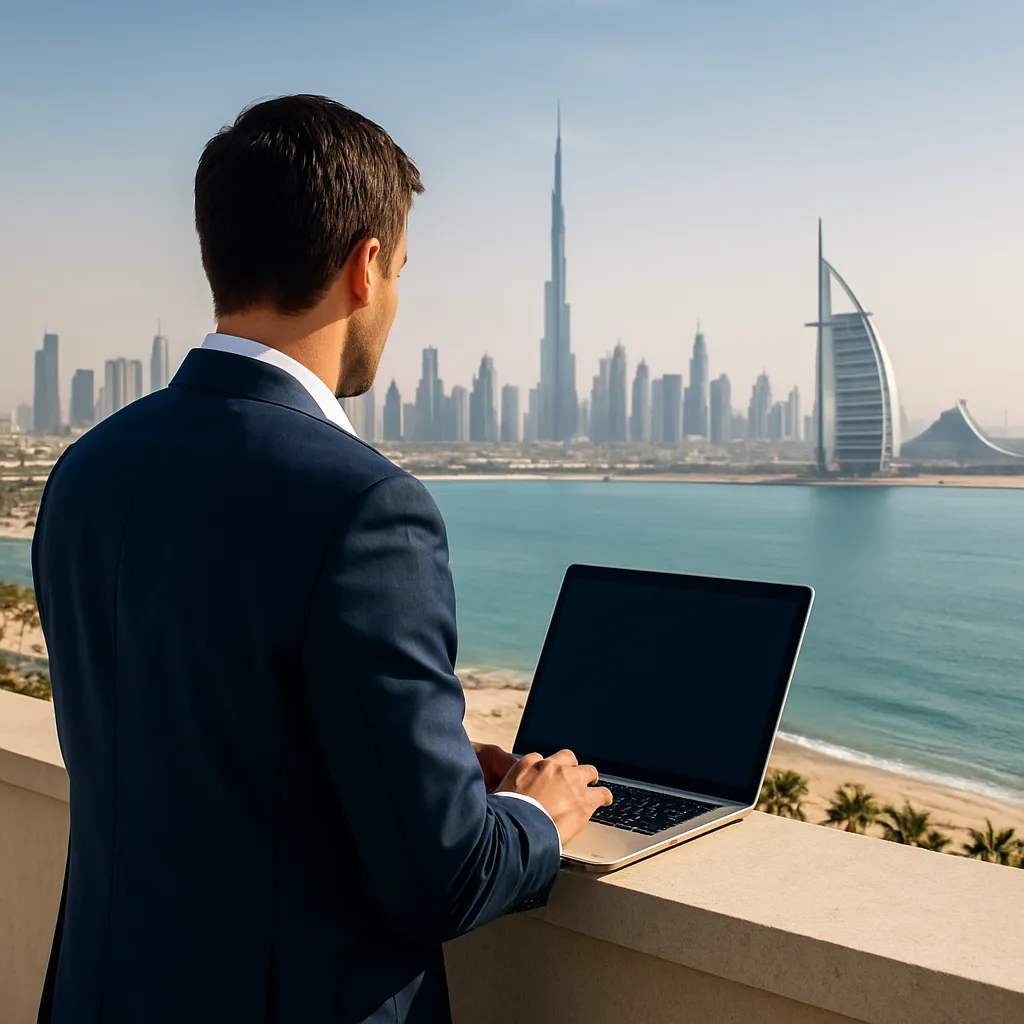
How to Optimize for Travel-Related Searches in Dubai
Optimizing for travel-related searches in Dubai requires a blend of technical SEO, local market understanding and strategic content tailored to high-intent travelers. Dubai’s tourism ecosystem is extremely competitive, so brands that want to attract visitors need to build a strong presence across search engines, local platforms and mobile experiences used by international tourists. The following guide explores key tactics and data-driven insights to help you win visibility for Dubai-focused travel queries.
Understanding the Dubai Travel Search Landscape
Dubai is one of the world’s most visited cities, which directly impacts how travelers search online and how intense the competition is for travel-related traffic. Before optimizing for specific keywords, you must understand user intent, seasonal patterns and the platforms travelers rely on when planning trips.
Key tourism and search statistics
Dubai consistently ranks among the top global destinations in terms of international arrivals and tourism spending. According to Dubai’s Department of Economy and Tourism, the city recorded more than 17 million international overnight visitors in 2023, edging close to pre‑pandemic levels. This scale of tourism translates into enormous search volume around accommodation, attractions, tours, transportation and dining.
Industry research suggests that more than 70% of travel planning now starts on a search engine. For Dubai specifically, a high proportion of searches include location modifiers like “near Burj Khalifa”, “in Dubai Marina”, or “close to DXB airport”. Travelers combine generic travel terms with hyper‑local intent, for example:
- “family friendly hotel in Dubai Marina with pool”
- “Dubai desert safari price evening tour”
- “best rooftop bar Dubai Downtown view Burj Khalifa”
- “cheap Dubai airport transfer private car”
Beyond Google, you should acknowledge platforms such as Booking.com, Airbnb, TripAdvisor, GetYourGuide and regional OTAs, which capture a large portion of transactional intent. Optimizing your own site is crucial, but you also need to consider how your brand appears across these ecosystems.
Types of traveler intent you must target
Dubai travel searches typically fall into several core intent categories. Effective search optimization requires tailored content and landing pages for each group:
- Informational intent – Users researching when to visit, what to do and how much it costs. Example: “best time to visit Dubai in 2025”, “Dubai itinerary 5 days budget”.
- Transactional intent – Users ready to book hotels, tours, tickets or transport. Example: “book Dubai desert safari tonight”, “Dubai Museum tickets online”.
- Local commercial intent – Users already in Dubai searching on mobile. Example: “coffee shop near Dubai Mall open now”, “pharmacy near JBR beach”.
- Navigational intent – Users who already know a brand or attraction. Example: “Atlantis Aquaventure tickets”, “Dubai Frame official website”.
Understanding these behaviors allows you to build content clusters that align with the buyer journey, starting from inspiration (blogs, guides) through to conversion (booking engines, special offer pages and lead forms).
Keyword Strategy and On‑Page Optimization for Dubai Travel
To capture qualified traffic, your Dubai travel SEO strategy must revolve around robust keyword research, structured content and clear signals to search engines about location relevance. You should focus on experience-based and intent-rich phrases rather than just generic “Dubai travel” keywords, which are often dominated by large global portals.
Building a Dubai-focused keyword universe
Begin by mapping keywords according to the main user goals: staying, visiting, eating, shopping and moving around. For each pillar, segment by micro‑locations, type of experience and user persona (family, luxury, business, digital nomad, solo traveler).
Example keyword clusters:
- Accommodation – “family hotel Dubai Marina”, “affordable hotel near Burj Khalifa”, “luxury resort Palm Jumeirah all inclusive”, “hotel apartments in Deira for long stay”.
- Attractions & activities – “Dubai desert safari with quad bike”, “best Dubai city tour in one day”, “Dubai Marina dhow cruise dinner review”, “Dubai theme park tickets combo”.
- Transportation – “Dubai Metro guide for tourists”, “taxi from Dubai airport to hotel cost”, “rent a car in Dubai without credit card”, “public transport from Dubai to Abu Dhabi”.
- Shopping & dining – “best brunch in Dubai Downtown”, “where to eat in Dubai on a budget”, “Dubai Mall shopping tips”, “local Emirati food in Old Dubai”.
- Planning & itineraries – “Dubai itinerary 3 days for couples”, “Dubai in August is it too hot”, “how expensive is Dubai for 1 week”.
Use keyword tools, Google Search Console data and competitor analysis to identify long‑tail phrases with clear commercial or booking intent. Long‑tail keywords (e.g., “evening desert safari Dubai hotel pickup marina”) generally convert better and are more realistic to rank for than short, hyper‑competitive keywords like “Dubai tour”.
On‑page SEO elements for travel pages
Once your keyword clusters are defined, ensure that every landing page focused on Dubai is optimized around one primary keyword and a small group of closely related terms. Key on‑page elements include:
- Title tags – Incorporate location and intent: “Evening Desert Safari in Dubai Marina – Hotel Pickup & BBQ Dinner”. Use persuasive but accurate language.
- Meta descriptions – Summarize the unique selling points and include a call to action and local cues: “Book an unforgettable evening desert safari from Dubai Marina with hotel pickup, dune bashing, camel rides and live entertainment. Free cancellation.”
- Headings (H2, H3) – Structure content logically: overview, itinerary, pricing, meeting point, FAQs, policies. Integrate variations of your main keyword naturally.
- Body content – Provide detailed, trustworthy information about timing, durations, inclusions, dress codes and tips tailored to Dubai’s climate and culture.
- Internal links – Link to related experiences, such as “sunrise desert safari” or “Dubai city tour” from the same region, using descriptive anchor text.
Because Dubai attracts a globally diverse audience, clarity and accuracy are essential. Detailed explanations about alcohol policies, dress codes in mosques, Ramadan practices or public behavior rules can reduce friction and increase trust, indirectly supporting better conversion rates and lower bounce rates.
Content localization for Dubai’s international audiences
While your article is in English, consider that a large portion of travelers searching for Dubai information speak languages such as Arabic, Russian, German, French, Hindi or Chinese. Strategically localized content can unlock new segments. Rather than basic translation, focus on localized keyword research and cultural nuance.
For example, Russian‑speaking travelers may use different phrases or search for different types of experiences compared with German couples or Indian families. Building dedicated versions of top‑performing pages for key language markets, with localized payment options and locally relevant tips, can strongly improve visibility in non‑English‑language search results and enhance overall SEO authority.
Local SEO and Google Business Profile Optimization
Local SEO is crucial for businesses that physically operate in Dubai, such as hotels, restaurants, tour operators, spas and retail outlets. Tourists frequently rely on Google Maps, navigation apps and location‑based searches to discover services close to where they are staying.
Crafting an effective Google Business Profile
An optimized Google Business Profile (GBP) can outperform organic results for high‑intent queries like “spa near Dubai Marina open now” or “best Lebanese restaurant Jumeirah”. Important steps include:
- Accurate NAP details – Ensure your name, address and phone (*NAP*) exactly match your website and local directories. Small inconsistencies can weaken trust signals.
- Correct categories – Choose specific categories, such as “Desert tour agency”, “Boutique hotel” or “Middle Eastern restaurant”. Use secondary categories where relevant.
- High-quality images – Upload professional images showcasing interiors, exteriors, food, rooms or activities. Tourists rely heavily on visual cues when comparing options.
- Business description – Highlight what makes your business special in Dubai context: proximity to famous landmarks, views, cultural authenticity or family‑friendly policies.
- Attributes and services – Add details like outdoor seating, halal menu, free Wi‑Fi, parking availability, airport shuttle or multilingual staff.
For hospitality and tourism businesses, GBP often serves as a mini‑landing page, especially on mobile devices. Make sure your booking link leads to a fast, mobile‑optimized page, and that your primary call to action (book now, call, directions) matches user intent.
Managing and leveraging online reviews
Social proof is central to how travelers make decisions in Dubai’s crowded marketplace. Ratings on Google Maps, TripAdvisor, Booking.com and similar platforms significantly influence search performance and conversions.
Core tactics for review management include:
- Encouraging satisfied guests to leave reviews, ideally mentioning specific experiences (e.g., desert safari guide name, special dishes, views from the room).
- Responding thoughtfully to both positive and negative reviews, demonstrating attentiveness and professionalism.
- Highlighting awards, high ratings or “Traveler’s Choice” badges on your website and within your GBP photos and posts.
From an SEO perspective, fresh reviews that contain location keywords and specific features of your services provide additional textual signals to Google about what your business is associated with and which queries it should rank for.
Citations and local directories in Dubai
Local citations – mentions of your business name, address and phone number on external websites – help strengthen your location authority. Consider listings on:
- Local business directories specific to the UAE and the Gulf region.
- Travel and lifestyle magazines focused on Dubai, including both English and Arabic media.
- Event and venue platforms if you host conferences, weddings or corporate retreats.
Consistency across these citations reinforces your legitimacy in the region and can indirectly support better map pack visibility and stronger organic rankings in local search results.
Creating High-Performing Travel Content for Dubai
In a destination as heavily covered as Dubai, content quality and uniqueness are crucial. Generic summaries of “Top 10 things to do in Dubai” will not be enough to outrank major publishers. Instead, you should design content that either offers depth, hyper‑specificity or a unique angle unavailable on big portals.
Developing content hubs and itineraries
A powerful strategy is to build content hubs around traveler goals and neighborhoods. For instance, a Dubai Marina hub could contain:
- An overview page: “Complete Guide to Dubai Marina for First‑Time Visitors”.
- Supporting articles: “Best Breakfast Spots in Dubai Marina”, “Dubai Marina Dhow Cruises Compared”, “Family Activities in Dubai Marina Under $50”.
- Transportation guides: “How to Reach Dubai Marina from DXB Airport” or “Dubai Tram vs Taxi: Getting Around Dubai Marina”.
Similarly, itinerary‑based content such as “4‑Day Luxury Dubai Itinerary”, “Budget‑Friendly 3‑Day Dubai Trip for Families” or “Dubai for Business Travelers: 48‑Hour Guide Near World Trade Centre” can capture users looking for ready‑made plans. Integrate internal links to booking pages for hotels, tours and experiences that align with those itineraries.
Answering practical questions travelers actually ask
Search engines reward content that directly answers common questions. Monitor the “People Also Ask” feature on Google for Dubai queries, and collect frequent questions from your customer support team, social media, messaging apps and OTAs. Examples include:
- “Is Dubai safe for solo female travelers?”
- “Can you drink alcohol in Dubai hotels?”
- “What is the dress code in Dubai malls?”
- “How hot is Dubai in August and can you go to the desert?”
- “Which area is best to stay in Dubai for nightlife?”
Create content sections within blog posts or standalone FAQ pages that provide concise, practical answers backed by official references where appropriate. Structured data markup (FAQ schema) can help your answers appear directly in search results, improving visibility and click‑through rate.
Leveraging multimedia and interactive formats
Dubai is inherently visual: towering skyscrapers, desert landscapes, beachfront skylines and luxury shopping centers. Enhance your SEO by incorporating:
- High‑resolution photos optimized with descriptive alt text including location and activity names.
- Short-form video content showing experiences such as dune bashing, fountain shows, rooftop sunsets or dining on the Palm.
- Interactive maps highlighting walking routes in Old Dubai, metro connections or recommended photo spots near landmarks.
- Downloadable PDFs or mobile‑friendly checklists for packing, etiquette and transportation tips.
Elements that keep users engaged and on your site longer send positive signals to search engines about content relevance and quality, which can support improved rankings over time.
Technical and Mobile Optimization for Dubai Travelers
Because a large share of travel research and booking happens on smartphones, technical performance and mobile usability are decisive factors in capturing and converting Dubai travel search traffic. This is particularly relevant for travelers already on the ground using roaming data or local SIM cards.
Mobile-first design and speed optimization
Your Dubai-focused pages must load quickly and be easy to navigate, even on slower hotel or public Wi‑Fi connections. Key actions include:
- Using responsive design that adapts seamlessly to different screen sizes.
- Compressing images and serving modern file formats to reduce load time without sacrificing visual quality.
- Implementing lazy loading for images and videos.
- Reducing unnecessary scripts and third‑party tags that slow down pages.
Google’s Core Web Vitals, particularly metrics such as Largest Contentful Paint and Cumulative Layout Shift, can affect your visibility in competitive travel queries. Monitor performance data and prioritize improvements on high‑traffic pages like main itineraries and booking funnels.
Structured data and rich results for travel
Implementing structured data markup can make your Dubai offerings stand out. Consider:
- Product or Offer markup for tours, tickets and packages, indicating prices, currencies and availability.
- Review schema to display star ratings directly in search results for attractions, tours or properties.
- FAQ schema for pages that address common questions about visas, dress code, public transport, or cultural rules in Dubai.
- Breadcrumb markup to help search engines understand the site architecture, especially in large content hubs.
Rich snippets not only increase your click‑through rate but also support Google in better classifying your pages within the travel vertical.
Multilingual and multi‑currency experience
To serve Dubai’s international audience effectively, consider technical provisions for language and currency. Examples include:
- Implementing hreflang tags for different language versions of key pages (e.g., English, Arabic, Russian, German) to indicate the correct version for each user region.
- Displaying prices in multiple currencies relevant to your main source markets (USD, EUR, GBP, SAR, INR) and clarifying which currency is used for final billing.
- Ensuring that switching languages or currencies does not break URLs or confuse search engines.
A coherent international SEO architecture helps avoid duplicate content issues and ensures that travelers from various regions discover the most relevant version of your content in search results.
Data-Driven Optimization and Performance Measurement
Ongoing optimization is critical in Dubai’s fast‑evolving travel market. Tourism campaigns, new attractions, regulatory changes and seasonal shifts all affect search behavior. A data-driven approach allows you to quickly adapt your keyword strategy, content priorities and promotional focus.
Core metrics for Dubai travel SEO
Track performance at the level of individual experiences, locations and audience segments. Important metrics include:
- Organic sessions and new users by page and geography.
- Click‑through rate from search results for top Dubai-focused queries.
- Conversion rate for key goals: bookings, lead submissions, phone calls or map direction clicks.
- Engagement metrics like average time on page, scroll depth and repeat visits.
- Share of traffic by device type and language to guide design and localization priorities.
Segment data for different neighborhoods (e.g., Downtown, Marina, JBR, Palm Jumeirah, Deira, Jumeirah) to identify where interest and competition are highest, and where new content or offers might produce the best return.
AB testing titles, offers and content elements
Use experimentation to refine what resonates with your audience. For example, test:
- Different value propositions in meta titles, such as focusing on “free cancellation”, “hotel pickup included” or “small group experience”.
- Image types on product pages – skyline views vs. close‑ups of food, rooms or activities.
- Content formats – long‑form guides vs. quick‑read checklists or comparison tables.
- Seasonal messages – summer discounts, Ramadan experiences or New Year’s Eve packages.
The insights from these tests can reveal which aspects of Dubai travel are most compelling to your target segments and which keywords or phrases drive the highest click‑through and conversion performance.
Monitoring competitive and seasonal trends
Dubai’s tourism calendar includes peak periods around New Year’s Eve, major events, exhibitions, shopping festivals and religious holidays. Analyze how competitors adjust their content and paid campaigns during these times, and plan your SEO and content updates well in advance.
Examples of seasonally relevant content and keywords include:
- “Dubai New Year’s Eve fireworks best viewing spots”
- “Dubai Shopping Festival deals on hotels”
- “Dubai Ramadan Iftar buffet offers”
- “Dubai summer indoor activities for kids”
Aligning your editorial calendar with these periods can capture high‑intent traffic, especially when supported by strong internal linking from evergreen pages and refreshed content each year.
Integrating SEO with Broader Digital Marketing for Dubai Travel
While organic search is crucial, the highest-performing brands in Dubai tourism integrate SEO with paid media, social campaigns, influencer partnerships and email marketing to create consistent messaging along the traveler journey.
Synergy between SEO and paid search
Use paid search data from campaigns targeting Dubai travel keywords to refine your organic strategy. High‑converting paid keywords often point to topics and phrases worth developing into comprehensive organic content hubs. Meanwhile, ranking organically for expensive, competitive terms can reduce dependency on paid traffic over time.
Paid search can also plug gaps when new attractions, experiences or regulatory changes appear before you have time to build strong organic authority. For instance, if a new observation deck or cultural attraction opens, paid campaigns targeting that experience can capture demand while your content and backlinks gradually mature.
Content amplification through social and influencers
Dubai is a major hub for social media‑driven travel inspiration. High‑quality content optimized for search gains extra momentum when promoted through:
- Instagram and TikTok collaborations with travel creators showing real experiences of your tours, hotels or restaurants.
- YouTube videos that can rank both on YouTube search and Google video results for itinerary or attraction queries.
- Localized social campaigns targeting residents and visitors already in Dubai – ideal for last‑minute bookings and upsells.
Signals from social engagement do not directly replace SEO fundamentals, but the brand awareness and external mentions they generate can influence search demand for your name and offerings, indirectly supporting organic performance.
Email, remarketing and user retention
Search engines help you acquire travelers, but effective retention and upsell strategies turn one‑time visitors into repeat guests or brand advocates. Capture emails or account sign‑ups when users download Dubai itineraries, book tours or subscribe to price alerts.
Then use segmented email sequences to promote seasonal experiences (e.g., winter beach activities, Ramadan cultural programs) and new attractions. Remarketing campaigns can re‑engage users who visited key Dubai pages but did not complete a booking, showing them updated offers or reminders tied to their planned travel dates.
Ethical and Cultural Considerations in Dubai Travel Marketing
When optimizing for Dubai travel searches, sensitivity to local culture, regulations and expectations is paramount. Misrepresenting experiences, ignoring local norms or using culturally inappropriate imagery can harm both your brand reputation and partnership opportunities within the city.
Aligning messaging with local regulations
Dubai has clear rules around public behavior, photography in certain locations, alcohol promotion and religious sites. Ensure that your content:
- Accurately explains what is allowed and what is not, especially around public displays of affection, dress codes in mosques and rules for photographing people.
- Does not encourage or glamorize activities that could put visitors at legal risk.
- Uses respectful terminology when describing cultural and religious sites, as well as local traditions.
This level of transparency builds trust with both travelers and local partners, and can differentiate your brand in a market where some operators may oversell or misrepresent experiences for short‑term gain.
Representing diversity and accessibility
Dubai attracts visitors from across the world and positions itself as an inclusive, accessible city. Reflect this in your content by:
- Featuring a diverse range of travelers in imagery and stories, including different age groups, families, solo explorers and business guests.
- Providing practical accessibility information about wheelchair access, step‑free routes, elevator availability and support services at attractions and transportation hubs.
- Highlighting family‑friendly policies, child‑safe amenities and senior‑friendly experiences to reach broader market segments.
Attending to these details not only helps travelers plan more effectively but can also enhance your authority in search engines as a comprehensive, user‑focused resource about Dubai.
Conclusion: Building Sustainable Visibility for Dubai Travel Searches
Winning in Dubai’s search landscape demands a long‑term, integrated approach. By combining precise keyword research, authoritative content, robust local SEO, technical excellence and data‑driven refinement, travel brands can consistently attract high‑intent visitors across the entire funnel – from initial inspiration to on‑the‑ground decisions.
Prioritize depth over generic coverage, build hyper‑local and experience‑based pages targeting specific neighborhoods and traveler types, and align your searches not only with what people type into Google, but also with their real needs once they land in Dubai. When executed thoughtfully, this approach turns organic visibility into sustainable bookings and lasting reputation in one of the world’s most competitive tourism markets.