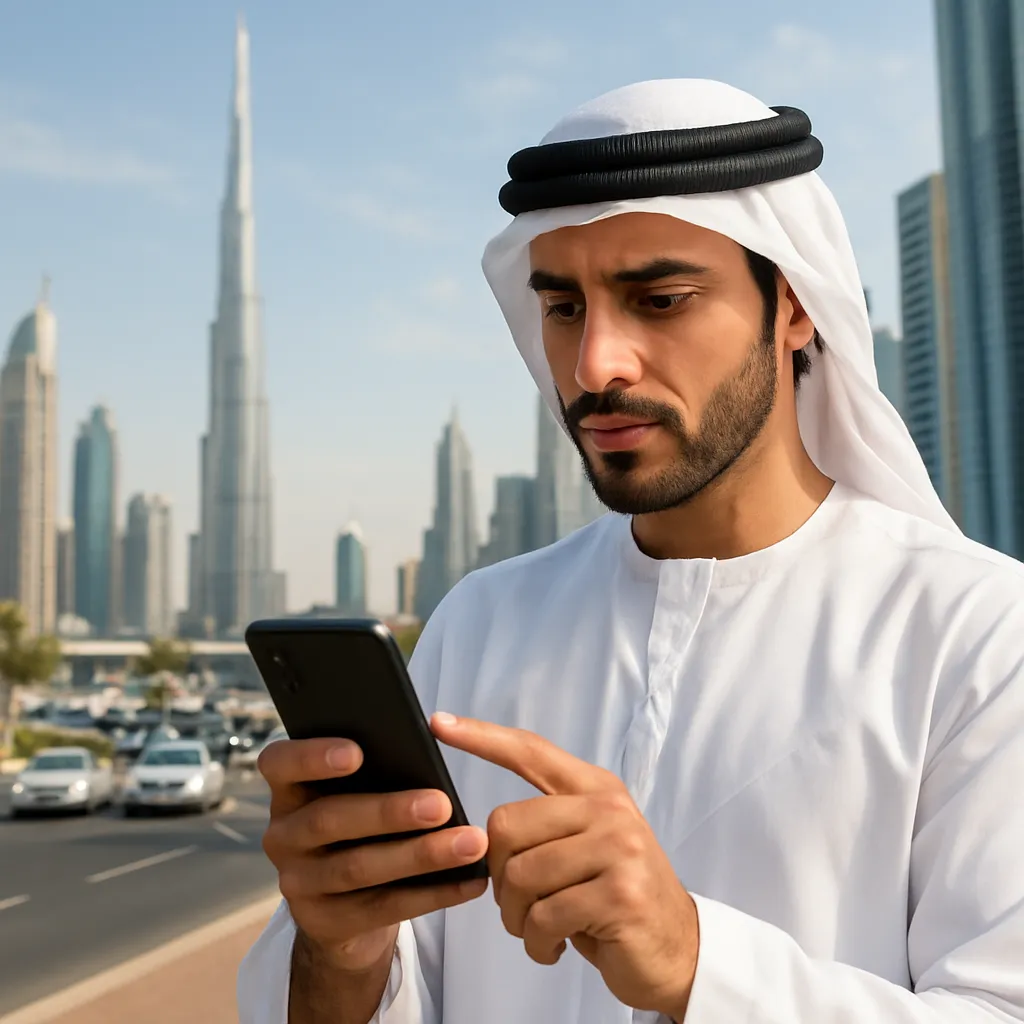
How Local Habits Influence Search Intent in Dubai
Understanding how people in Dubai actually search, compare and buy is crucial for any brand that wants to turn web traffic into revenue. Behind every query there is a blend of cultural norms, multilingual habits, strong mobile usage and a lifestyle shaped by high incomes, tourism and rapid urban growth. Local patterns of behavior quietly steer what users type into the search box, how they respond to ads and which pages they trust enough to click and convert on.
The Cultural and Demographic Context Behind Search Intent in Dubai
Dubai’s search landscape is built on a rare mix of cultures, languages and income levels, and this mix has a direct, measurable influence on search behavior and user expectations. Around 85–90% of the population are expatriates, coming largely from South Asia, the wider Arab region, Europe and the Philippines. This means search engines are used in very different ways depending on whether the user is an Arabic‑speaking local citizen, an English‑speaking professional, or a worker who prefers Hindi, Urdu or Tagalog.
For digital marketers, the first consequence is that intent can never be analyzed in isolation from language. A query about property, education or healthcare in English often reflects a different life situation and budget than the same topic searched in Arabic or another language. While English dominates business and tourism, Arabic remains central for government interactions, religious content and many local services.
According to various regional reports, the UAE’s Internet penetration is above 99%, and Dubai ranks among the highest globally for smartphone adoption. Studies from telecom operators in the region suggest that more than 80% of residents access the Internet primarily via mobile devices. This mobile‑first environment pushes a large share of queries into “micro‑moments”: fast, highly local searches triggered by immediate needs, such as finding the nearest pharmacy open late, a last‑minute restaurant reservation, or the quickest grocery delivery.
Another key factor is Dubai’s intense service culture. Residents are used to 24/7 availability, home delivery, valet parking, fast turnarounds and premium experiences. This expectations layer modifies intent: users often look not only for a product or service, but for the fastest, most convenient, and most luxurious option they can reasonably afford. As a result, search intent for many commercial queries has a built‑in preference for quality, proximity, and speed.
Seasonality is also shaped by local customs. During Ramadan, searches for food delivery late at night, iftar buffets, charity initiatives and religious content surge, while typical daytime entertainment queries may drop. Around major shopping festivals such as Dubai Shopping Festival (DSF) or Gitex, users intensively compare deals, promo codes and financing offers, especially in categories like electronics, fashion and travel. These shifts are not minor fluctuations; for some verticals they completely redefine what the “average” searcher wants for several weeks each year.
Local Language, Multilingual Habits and Their Impact on Query Patterns
Search intent in Dubai cannot be fully understood without considering how people switch between languages and scripts. It is common for a single user to type “dentist near me”, then “طبيب اسنان دبي” and later “cheap braces Dubai” within the same session, exploring similar solutions through different linguistic lenses.
One important phenomenon is the continued presence of “Arabizi” or “Franco‑Arabic” in informal communication. While its use in Google queries is lower than in messaging apps, it still appears for branded searches or colloquial phrases, especially among younger users. Queries like “sayarat suv dubai” (cars) or “mat3am lebanese marina” (restaurant) blend Latin characters with Arabic words. Even if volumes are modest, they hint at a more flexible, experimental way of searching that marketers should watch in their analytics.
Another pattern is the use of transliteration for businesses whose official names appear in English, but which are pronounced and searched in an Arabic way. A salon called “Glow Beauty Lounge” might also be searched as “salon glow jumeirah” or “salon glow jumaira” with multiple spelling variants. This multiplies the long tail of brand‑related queries and makes consistent local SEO hygiene (Google Business Profile, citations, reviews and on‑page mentions) crucial to capture all of them.
Because a big part of the workforce originates from countries such as India, Pakistan and the Philippines, there is significant background demand in Hindi, Urdu and Tagalog, especially for employment‑related searches, remittance services, low‑cost retail, and community‑specific events. Yet many businesses only optimize in English and Arabic. This leaves a gap where specialized platforms or aggregators step in, building content and offers aimed directly at those communities and their particular habits.
For example, job seekers might search “helper job Dubai with accommodation” in English, “Dubai me naukri accommodation ke sath” in Hindi, or use a mixture of both. The underlying intent is similar (finding stable employment with housing included), but the phrasing and vocabulary are different enough that a one‑language content strategy misses large segments. Keyword research in Dubai must therefore go beyond tools and into real conversations with target audiences to understand which terms they actually use.
Mixed‑language queries, especially combining Arabic and English, are also frequent: “best schools in Dubai رسوم” or “car insurance Dubai ارخص”. These show how users bridge their own language preferences with the English‑heavy world of brand names, technical terms and international standards. For marketers, this means both content and ad copy benefit from carefully integrated bilingual elements while avoiding awkward or forced combinations.
Mobile‑First Behavior, Local Navigation and “Near Me” Intent
Dubai’s urban layout and high level of car usage make location one of the most powerful drivers of search intent. With a dense network of malls, towers, gated communities and business districts, users think in terms of landmarks, not only in terms of generic city‑wide queries. Instead of “hairdresser Dubai”, people are more likely to search “salon Business Bay”, “nail spa Marina” or “barber near JLT”.
Smartphones and navigation apps have made this even more pronounced. Many residents rely on map apps not only to find driving directions but as a starting point for exploring restaurants, gyms, clinics or entertainment venues. When they go to a search engine, they often add qualifiers such as “near me”, “open now”, “24 hours”, “with parking” or “delivery”. Each qualifier refines the underlying intent and sends a strong signal about what content and offers will resonate.
Studies from Google about the Middle East and North Africa (MENA) show that “near me” searches have grown several‑fold over the last decade, and Dubai consistently ranks among the most active cities in this respect. This is visible in verticals like food delivery, pharmacies, clinics, car services and convenience retail. A user might start with “supermarket near me”, but within minutes they could refine their intent to “grocery delivery in 30 minutes” or “organic supermarket Jumeirah”. The journey is short, but very specific.
Mobile‑first behavior also affects micro‑conversions. Rather than filling out long forms, people prefer calling via tap‑to‑call, sending a quick WhatsApp message, or using in‑app chat. For commercial local searches, the “call” and “directions” buttons on a Google Business Profile can be more important than the organic ranking of the corporate website itself. This shifts the practical center of local digital marketing from the homepage to a combination of listings, maps and messaging entry points.
Marketers need to align landing pages and ad formats with this behavior. Short, action‑oriented pages with clear location cues (“5 minutes from Dubai Mall”, “next to Metro station”, “free parking for clients”) and easy call or chat options address the intent better than generic corporate descriptions. For mobile users who are likely already on the move, every extra step or click can mean a lost lead.
E‑Commerce, Luxury Expectations and Conversion‑Focused Intent
Dubai’s reputation as a shopping hub translates naturally into its online behavior. Online consumer spending in the UAE has grown strongly over the past years, with various industry reports estimating double‑digit annual growth rates and e‑commerce revenues running into several billions of dollars. The appetite for online shopping is high, but so are expectations regarding reliability, return policies and delivery speed.
In this environment, brand strength and trust become decisive moderators of intent. A user searching “gold jewelry Dubai online” or “buy designer bag UAE” often already knows what they want in terms of style or brand, but they are cautious about authenticity and after‑sales service. They may refine their queries with terms like “original”, “authentic”, “certified”, or “warranty included”. These extra words signal a layer of risk management that marketers must address explicitly in their messaging.
Luxury is another major lens. Dubai hosts a high concentration of affluent consumers, tourists and high‑net‑worth individuals. For categories like fashion, watches, cars, real estate or fine dining, a significant part of search intent orbits around the idea of premium experiences. Queries such as “best fine dining Dubai Marina”, “luxury chauffeur Dubai” or “penthouse for sale Palm Jumeirah” are not only about function; they are about status, exclusivity and social proof.
Conversion‑oriented content in these segments must therefore go beyond basic product information. High‑quality visuals, detailed descriptions, transparent pricing, testimonials from recognizable customers (where possible), and emphasis on concierge‑style support all respond to the deeper intent behind the queries. Even in paid search campaigns, ad extensions that highlight premium features—like lounge access, complimentary pick‑up, or bespoke tailoring—can significantly increase click‑through rates.
However, Dubai is not exclusively about high‑end spending. There is strong parallel demand for “cheap”, “offers”, “discount code”, and “installments” across a wide range of categories. Many residents are price‑sensitive, managing family expenses locally while sending part of their income to relatives abroad. As a result, two opposing segments often search within the same vertical: one looking for prestige, the other for affordability.
For marketers, this creates the need to segment campaigns by intent: creating separate ad groups or landing pages for “cheap car insurance Dubai” and “VIP car insurance with replacement car” reflects the fact that the users behind those queries differ in expectations and willingness to pay. Mixing both can dilute relevance and lower performance metrics such as Quality Score and conversion rate.
Time‑Sensitive Intent: Tourism, Events and Seasonal Peaks
Dubai’s role as a global tourism destination introduces a strong temporal dimension into search behavior. Visitor numbers fluctuate throughout the year, affected by climate, public holidays, school vacations and international events. During high season, there is a surge in travel‑related searches such as “things to do in Dubai”, “desert safari”, “Burj Khalifa tickets”, “Dubai mall aquarium” and countless variations thereof.
What sets tourism‑driven intent apart from resident searches is the limited decision window. Tourists usually plan and book within days or weeks, not months. They have intense research and comparison phases compressed into short periods. Marketers who track search trends in Google Trends or similar tools can predict these peaks and adjust their budgets, bidding strategies and content publishing calendars accordingly.
Events such as Expo, large concerts, sports tournaments or trade fairs produce unique spikes in branded and generic queries. Local users might search for parking options, ticket prices or event schedules, while international users look for flights, hotels and packages. Smart digital campaigns mirror this layering: top‑funnel content for general inspiration, mid‑funnel content comparing neighborhoods or venue access, and bottom‑funnel offers focused on last‑minute bookings or upgrades.
Religious and cultural seasons are equally important. Ramadan shifts daily routines dramatically; late‑night activity rises, and with it searches for food, entertainment and retail open after sunset. Iftar and suhoor buffets, charity campaigns and modest fashion see elevated volumes. Recognizing not just the keywords but the values behind the season—community, generosity, reflection—allows marketers to tailor their tone, offers and visuals to better fit the mood and expectations of their audience.
Summer, with its high temperatures, drives intent indoors. Queries for indoor activities, staycations, kids’ camps, shopping mall promotions and home services increase, while outdoor tourism keywords may see relative dips. Internally, many expatriates travel abroad for extended trips, generating outbound flight searches, home security and storage queries, and temporary subscription changes. Each of these patterns represents a chance to align offers with real needs instead of generic messaging.
Paid Search, Social Platforms and the Cross‑Channel Nature of Intent
Search intent in Dubai rarely lives in search engines alone. Users move fluidly between platforms: they start on a search engine, watch reviews on YouTube, scan Instagram for real‑life photos, wait for TikTok recommendations, message friends on WhatsApp, then return to search to finalize their choice. The UAE has some of the highest global usage rates for platforms like YouTube, Instagram and TikTok, especially among younger demographics.
This cross‑channel behavior means that even when the final click comes from a search ad, much of the intent has been shaped earlier by social proof and visual content. For example, a person considering a brunch may see Instagram Stories about a particular venue, then search “best Saturday brunch Palm Jumeirah reviews”. The search query is already biased toward brands they have seen, making branded keywords more competitive and generic ones more influenced by social buzz.
Paid search in Dubai also reflects the intense competition across key verticals: real estate, automotive, financial services, hospitality and healthcare often pay some of the highest cost‑per‑click (CPC) rates in the region. Marketers responding to this must focus on capturing high‑intent keywords rather than chasing every possible variation. Long‑tail queries like “family doctor Arabic speaking Dubai Marina” or “apartment for rent Dubai Marina chiller free” may have lower volumes but typically convert better and are more directly aligned with user intent.
Local habits also affect ad copy performance. Residents expect clarity about inclusions and exclusions, especially in real estate and services where additional fees, deposits or service charges are common. Ad texts that indicate “no commission”, “chiller free”, “maintenance included” or “free pick‑up and delivery” directly address frequent user concerns, making them more compelling than generic promotional language.
Remarketing is another powerful tool in this environment, because multi‑step purchases—such as property, high‑value electronics, luxury goods or healthcare services—rarely happen on the first visit. Users research, compare and sometimes physically visit showrooms before deciding. Tailored remarketing sequences that show specific offers or information based on previous behavior (viewed product pages, time on site, abandoned bookings) match the evolving intent much better than one‑size‑fits‑all ads.
Local Trust Signals, Reviews and Social Proof
Trust is a strong filter on search intent in Dubai, especially for categories where risk is perceived as high: healthcare, financial services, legal advice, property and expensive purchases. Even when users arrive with a transactional mindset, they often pause to verify the credibility of the provider. This shows up in parallel queries like “clinic name reviews”, “is company X legit”, or “real estate agency complaints”.
Public rating systems on Google Maps, booking platforms and specialist directories play a central role. Many users will scroll past businesses with weak or sparse ratings, even if they rank near the top organically. Language again influences this: Arabic‑speaking users may prefer to see reviews in Arabic or posted by users with recognizable, culturally familiar names, while English‑speaking expatriates may rely more on international platforms and review sites.
For marketers, this reshapes the meaning of “optimization”. It is not enough to rank; a visible pattern of positive experiences must back up that ranking. Local businesses increasingly encourage satisfied customers to leave reviews, respond promptly to negative feedback, and highlight ratings in their ads and on their websites. Tactics like featuring star ratings, awards, partnerships or certifications can significantly improve click‑through rates for users whose intent is already leaning toward purchase but still needs reassurance.
In certain segments, especially B2B services and premium experiences, influencer and KOL (Key Opinion Leader) endorsements carry substantial weight. A positive review from a local micro‑influencer with a niche but engaged audience can shift search behavior, driving more branded queries or adding modifiers like “recommended by [name]” or “as seen on Instagram”. Such signals blur the line between organic and paid influence on user intent.
Data‑Driven Strategies to Align with Local Search Intent
Aligning with Dubai’s search intent patterns requires a combination of quantitative analytics and qualitative insight. From a quantitative perspective, marketers can use search console data, paid search query reports, and analytics on on‑site behavior to identify which terms produce the most valuable sessions and conversions. Segmentation by device, location within Dubai, language and time of day reveals micro‑patterns—for instance, that Arabic mobile searches for a certain service peak in late evening, or that desktop English queries dominate corporate hours.
On the qualitative side, customer interviews, feedback forms, call center transcripts and even chat logs reveal how people describe their needs in their own words. These words often differ from the jargon used by marketers or international headquarters. Capturing this language is crucial, especially in a multilingual city where many residents think in one language and search in another.
Local landing pages should incorporate landmark‑based location markers, culturally relevant imagery and references, and clear explanations of processes that might confuse newcomers (for example, registration procedures, visa‑linked services, tenancy contracts or insurance claims). Clear FAQs, available in both English and Arabic, address information‑seeking intent and reduce friction for transactional intent.
Content strategies benefit from mapping typical customer journeys specific to Dubai. A resident searching for a school, for instance, may move through stages such as curriculum comparison, fee structures, KHDA ratings, location and bus routes, parent reviews and finally on‑campus visits. Each stage corresponds to different queries and content needs. Brands that provide structured, transparent information across that entire path tend to capture more high‑intent traffic than those focusing only on a final “enrollment now” message.
For ongoing performance, A/B testing of ad copy and landing pages with local nuances—such as highlighting free parking, proximity to metro stations, Arabic‑speaking staff, or same‑day service—can reveal which factors matter most to each segment. Over time, these experiments build a playbook of what truly motivates action for Dubai audiences, far more reliable than assumptions imported from other markets.
Conclusion: Turning Local Habits into Competitive Advantage
Search intent in Dubai is not a simple function of keywords and algorithms; it is a reflection of the city’s unique blend of cultures, languages, income levels and lifestyles. High mobile penetration, a service‑oriented mindset, strong tourism flows, multilingual searches and intense competition all converge to create a highly nuanced digital environment.
Brands that invest the effort to learn how people really search—where they are, what languages and scripts they use, which seasons reshape their needs, and what trust signals they look for—can convert these insights into a sustainable edge. Instead of generic campaigns, they build experiences that match the exact intent behind every query, from “best pediatrician near me open now” to “luxury yacht rental Dubai Marina all inclusive”.
In such a dynamic market, the most successful digital strategies treat local habits not as complications, but as a roadmap. By reading those habits accurately and responding with relevant, trustworthy and well‑timed offers, marketers turn search engines from simple traffic sources into precise, high‑value channels for growth in Dubai.