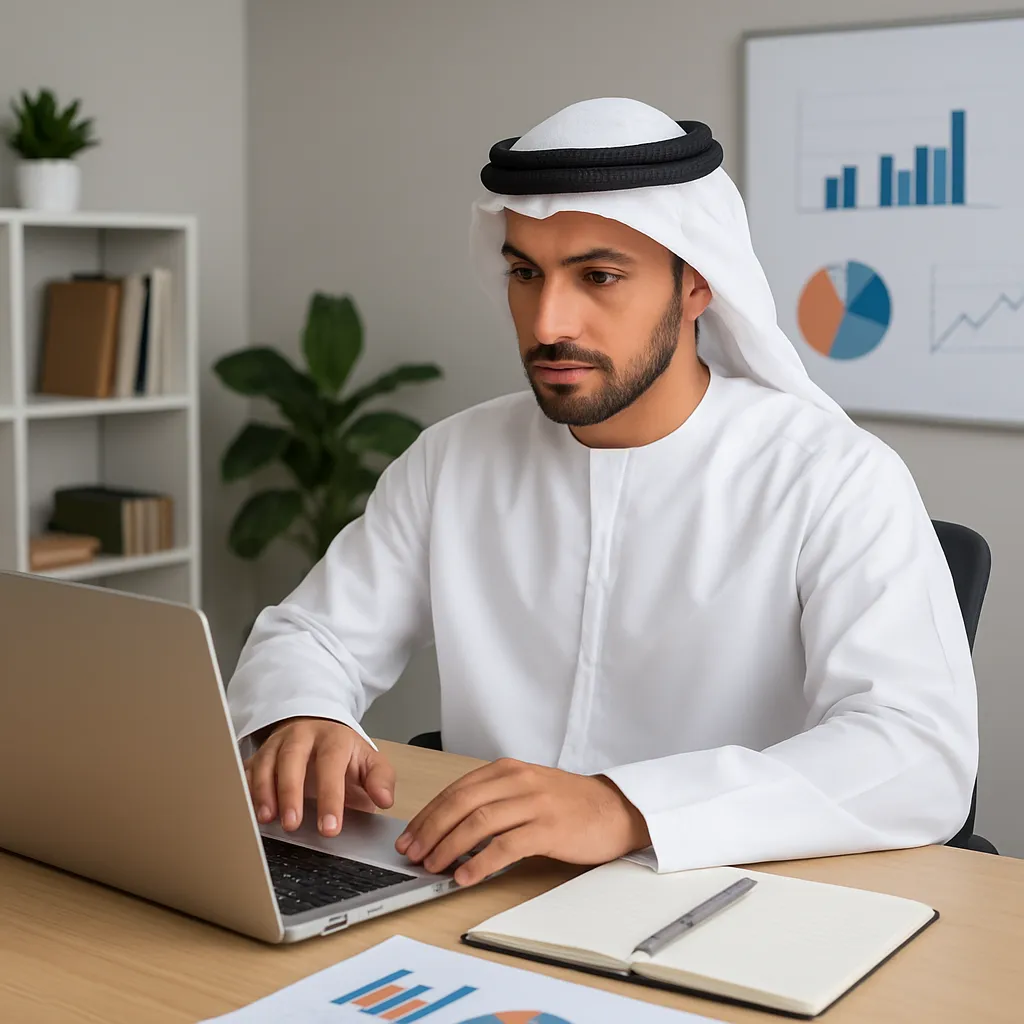
How to Improve E-A-T for UAE Markets
Building trust and visibility in the UAE’s digital landscape requires more than technical SEO. Search engines and users increasingly evaluate brands through the lens of E‑A‑T: expertise, authoritativeness and trustworthiness. In a market shaped by rapid innovation, strong regulation, cultural diversity and high mobile usage, improving E‑A‑T is a strategic lever for brands that want sustainable online growth rather than short‑term traffic spikes.
Understanding E‑A‑T in the Context of the UAE
E‑A‑T (Expertise, Authoritativeness, Trustworthiness) originates from Google’s Search Quality Rater Guidelines, which guide human evaluators in judging the quality of pages. While E‑A‑T is not a single algorithmic score, its principles inform many ranking systems, especially for what Google calls Your Money or Your Life topics: finance, health, legal, government services and any content that can significantly impact people’s well‑being.
In the UAE, these principles are amplified by several specific factors:
- Regulatory environment: sectors like finance, healthcare, real estate and education are tightly regulated by federal and emirate‑level authorities, and users expect visible compliance.
- Cultural and linguistic diversity: a population where expatriates exceed 85% in some emirates means content must be clear across English and Arabic, and often tailored to South Asian and other audiences.
- High digital penetration: mobile internet penetration exceeds 99% and social media usage ranks among the highest globally; users are digitally mature and quick to abandon brands that appear unreliable.
- Government digitalisation: initiatives like UAE Vision 2031 and the Dubai Digital Strategy have raised expectations for seamless, secure, and credible online experiences.
Industry surveys from regional agencies regularly show that Emirati consumers value trust above price in sensitive verticals. For example, regional fintech reports indicate that more than 60% of UAE consumers cite “brand trust” as the main factor when deciding whether to adopt a new digital financial service, ahead of fees or interface design. This aligns directly with the “T” in E‑A‑T.
For digital marketers, improving E‑A‑T in the UAE is therefore not just about satisfying abstract Google guidelines. It is about aligning search visibility with local expectations of credibility, compliance and cultural sensitivity.
Building Real Expertise for UAE Audiences
Expertise in the UAE is both domain‑specific and market‑specific. A global expert in investment, healthcare or cybersecurity will not be perceived as equally authoritative in the UAE unless they understand local regulations, institutions and user concerns.
Localising Knowledge: From Generic Content to UAE‑Specific Expertise
To improve perceived expertise in the UAE market, content should move from generic global advice to locally grounded insights. That includes:
- Referencing UAE laws and regulators, such as the Central Bank of the UAE, DIFC, ADGM, the Ministry of Health and Prevention, or the Telecommunications and Digital Government Regulatory Authority.
- Addressing emirate‑level differences (e.g. Dubai vs Abu Dhabi real estate rules, free zone vs onshore company setup).
- Using local benchmarks, price ranges, and examples, rather than US or EU‑centric data.
- Including relevant Islamic finance or Sharia‑compliant considerations where appropriate, especially in banking, insurance and investment content.
For instance, a generic article about “best savings accounts” becomes stronger E‑A‑T content when it compares major UAE banks, outlines eligibility for residents and non‑residents, shows approximate expected profit rates, and references publicly available Central Bank guidance. The article should be clearly signed by an identifiable finance professional with UAE experience.
Showcasing Qualified Authors and Editorial Process
Google’s quality raters are instructed to look for information about who is responsible for the content. In the UAE context, users do the same, particularly in B2B and high‑value consumer decisions. To strengthen perceived expertise:
- Create detailed author bios for main content creators, including credentials, years of experience in the UAE, professional memberships and areas of specialisation.
- Highlight any local certifications (for example, a chartered accountant with UAE VAT experience, a lawyer licensed in Dubai, or a physician registered with a local health authority).
- Explain the editorial and review process: who fact‑checks, how often content is updated, and how corrections are handled.
- Include Arabic‑language bios for Arabic pages when targeting local citizens, not only expatriates.
On a practical level, structured data (such as schema.org’s Article, Author and Organization markup) can help search engines understand these signals. However, the underlying reality matters much more than the markup. A thin, outsourced blog with no visible experts cannot be “fixed” with technical tags alone.
Bilingual and Multilingual Expertise
The UAE market is unique: English often dominates digital communication, but Arabic remains essential for government, legal and many consumer interactions. There is also a large base of users whose first language is Hindi, Urdu, Malayalam, Tagalog and others.
Demonstrating expertise across this linguistic diversity involves:
- Maintaining high‑quality content in both English and Arabic for key pages instead of relying solely on automatic translation.
- Ensuring subject‑matter experts review content in each language to avoid inaccuracies caused by literal translation of legal or financial terms.
- Adapting examples, idioms and case studies so they resonate with each linguistic group while staying culturally respectful.
- Using consistent terminology, especially for technical topics like tax, residency, or insurance coverage limits.
Brands that invest in bilingual expertise are often rewarded with higher engagement metrics: lower bounce rates, longer time on site and stronger conversion rates from organic search. These user signals indirectly support stronger E‑A‑T evaluation by search systems.
Strengthening Authoritativeness Through Local Signals
Authoritativeness reflects how the broader ecosystem views a website or brand. In the UAE, this is tightly linked to local visibility, partnerships and mentions from recognised institutions.
Leaning on Institutional and Governmental Trust
One of the most powerful ways to elevate perceived authority is to connect your brand with reputable local entities. For instance:
- Collaborate with UAE universities, chambers of commerce or free zone authorities on webinars, white papers and research reports.
- Secure speaking slots at regional conferences (such as GITEX, STEP Conference or sector‑specific summits) and publish summaries and recordings on your site.
- Highlight official registrations, licenses and recognitions: trade license numbers, free zone registrations, health authority approvals, financial regulatory licenses.
- Participate in government‑backed innovation or SME programs and list these partnerships with clear verification.
These activities not only generate high‑quality backlinks but also build brand narratives that quality raters and users alike can verify. When a business is mentioned on a UAE government portal or a major local news outlet, it carries strong weight for authoritativeness.
Strategic Link Building and Digital PR in the UAE
Backlinks remain a critical signal for authority, but quality matters far more than raw quantity, especially in a market where paid links and private blog networks can attract penalties. For UAE E‑A‑T, consider:
- Building relationships with local media (The National, Gulf News, Khaleej Times, Arabian Business, local Arabic publications) by providing data‑driven insights or expert commentary.
- Creating region‑specific research (for example, “UAE e‑commerce consumer behaviour report” or “SME digital adoption in Dubai”) that journalists and bloggers are likely to cite.
- Partnering with industry associations for co‑branded content hosted on both sites.
- Avoiding link schemes and low‑quality paid placements, which can undermine the trust and authority you are trying to build.
Regional case studies show that brands which secure even a handful of strong local links from authoritative domains often see more impact than dozens of weaker global links. This is particularly true in Arabic SERPs, where high‑quality authoritative content is still relatively scarce compared to English.
Building Topical Authority Around Key Themes
Authoritativeness is increasingly topical. Search engines look for depth of coverage around themes rather than scattered, isolated posts. For UAE markets, this means selecting core topics that matter locally and building comprehensive content clusters around them.
Examples include:
- For a financial brand: UAE salary cards, local credit card regulations, personal loans rules, Islamic banking, expat remittances.
- For a healthcare provider: health insurance in UAE, network coverage rules, medical tourism in Dubai, preventive health guidelines matching local demographics.
- For a property portal: freehold vs leasehold in each emirate, tenant rights, Ejari, mortgage options for expats, off‑plan regulations.
Within each cluster, produce guides, FAQs, video explainers, case studies and tools (such as calculators or checklists). Interlink these resources clearly. Over time, this depth helps search engines recognise your site as a topical hub for UAE‑specific queries, which directly supports authoritativeness.
Maximising Trustworthiness for UAE Users and Regulators
Trustworthiness is where many otherwise strong UAE websites underperform. Users may find the brand visible, and the content seemingly expert, but hesitate to convert because they cannot fully trust the site with their money, data or identity.
Compliance, Transparency and Legal Requirements
In the UAE, trust intersects with regulatory compliance in very visible ways. To improve trustworthiness:
- Display clear and accessible privacy policies, terms of service and cookie notices tailored to UAE laws and, where relevant, EU GDPR for international audiences.
- Show trade license details, office locations, and up‑to‑date contact information, including local phone numbers and physical addresses.
- Clarify ownership structure when applicable, especially for financial, real estate or advisory services.
- Be transparent about fees, commissions and affiliate relationships in all marketing content.
Users are highly sensitive to opaque practices, particularly with personal data and recurring payments. Surveys across GCC markets suggest that more than half of users have abandoned a transaction when they were unsure who exactly they were paying or how their data would be used. Transparent UX and visible legal information can directly reduce this friction.
Technical Trust: Security, Performance and UX
Trustworthiness is also signalled through technical and design choices:
- Ensure all pages, not just checkout, are secured via HTTPS, with valid certificates and no mixed content warnings.
- Invest in performance optimisation for mobile networks; slow sites erode trust, especially on 4G/5G connections where users expect instant responses.
- Provide clear navigation with logical information architecture, including obvious About, Contact, and Support pages.
- Use consistent branding and professional design; visual inconsistency between ad creatives and landing pages can trigger suspicion.
With the UAE ranking among the world leaders in mobile internet speed and smartphone usage, users are less forgiving of friction. A trustworthy brand in this environment offers both secure infrastructure and polished, predictable experiences.
Social Proof, Reviews and Local Reputation
Social proof plays a major role in perceived trust, especially for expatriates who lack offline references when evaluating new services. To enhance this aspect:
- Encourage and respond to reviews on Google Business Profiles, local directories and industry‑specific platforms.
- Showcase case studies and testimonials that include names, roles, companies and—where allowed—photos.
- Highlight awards, rankings and certifications from recognised UAE or GCC organisations.
- Address negative reviews publicly and professionally, demonstrating a problem‑solving attitude instead of deletion or silence.
For health, finance and education sectors, user reviews are often the primary decision driver. A survey of GCC consumers reported that more than 70% check online reviews before choosing a new healthcare provider, and that a lack of reviews is perceived as a red flag. Managing this reputation carefully feeds directly into your trustworthiness signals.
Integrating E‑A‑T With Broader Digital Marketing in the UAE
E‑A‑T should not exist in isolation from the rest of your digital strategy. Instead, it can serve as a framework that guides content, paid media, social campaigns and conversion optimisation.
Content Marketing Aligned With UAE Search Behaviour
Keyword research for UAE markets reveals patterns that can inform your E‑A‑T roadmap:
- High volume of “how to” and “requirements” queries related to visas, licenses, regulations, and government procedures.
- Strong interest in comparisons (for example “best bank in UAE for salary”, “Dubai vs Abu Dhabi cost of living”).
- Local intent expressed by emirate or city (“clinics in JLT”, “offices in Business Bay”).
Design content that directly addresses these queries with credible, well‑structured information. Use schema markup for FAQs, how‑to content and product or service details where relevant. Ensure that your answers are actionable for users in the UAE rather than generic global advice.
E‑A‑T‑focused content often performs well in organic search and also supports paid acquisition by improving landing page quality scores and conversion rates. When campaigns drive traffic to pages that look expert, authoritative and trustworthy, media spend becomes more efficient.
Leveraging Social Media and Influencers Responsibly
With the UAE consistently appearing at the top of global rankings for social media penetration, platforms like Instagram, TikTok, LinkedIn and YouTube are key channels for building perceived authority. However, influencer marketing is regulated, and misuse can damage trust.
To keep E‑A‑T intact when using influencers:
- Work with influencers licensed under UAE’s National Media Council rules where required.
- Ensure all sponsored content is clearly disclosed as such, in line with local advertising standards.
- Choose partners whose audience and reputation align with your brand values and sector.
- Use influencer content to highlight real expertise—webinars, Q&A sessions, behind‑the‑scenes with professionals—instead of purely promotional product shots.
Thought‑leadership on LinkedIn, in particular, can support B2B E‑A‑T, as many decision‑makers in the UAE use it as a primary professional information source. Encouraging executives and subject‑matter experts to publish insights reinforces both personal and corporate authority.
Measuring the Impact of E‑A‑T Improvements
While there is no direct “E‑A‑T score” to track, you can measure related indicators over time:
- Organic metrics: growth in non‑branded search traffic for UAE‑specific queries, improved rankings for YMYL topics, richer SERP features (FAQ, how‑to, review snippets).
- Engagement metrics: longer session duration, more pages per session, lower bounce rates on high‑intent pages.
- Conversion metrics: higher lead quality, better conversion rates from organic traffic, lower acquisition cost for key segments.
- Reputation metrics: volume and quality of reviews, sentiment in social listening, number of mentions and backlinks from authoritative UAE domains.
Many regional brands that adopt a structured E‑A‑T approach report that improvements become visible over quarters, not days. A typical pattern is modest ranking improvement in the first three months as technical and content fundamentals are fixed, followed by more substantial gains after six to twelve months once authority signals and user behaviour metrics accumulate.
Practical Roadmap for Elevating E‑A‑T in the UAE
Translating these concepts into an actionable plan helps marketing teams prioritise investments and coordinate with compliance, IT and leadership.
Phase 1: Audit and Foundation
- Conduct an E‑A‑T‑focused content audit: identify thin or outdated pages, missing author information, and topics that require local expertise.
- Review legal and contact information site‑wide; ensure transparency about the business, licensing and data policies.
- Check security (HTTPS), performance and mobile experience, especially for Arabic pages and forms.
- Map key UAE topics where your brand should demonstrate deep expertise and list content gaps.
Phase 2: Content and Author Enhancements
- Create or update cornerstone guides for critical UAE topics, with named experts, references and clear update dates.
- Develop author bios, including qualifications and UAE experience, and link them from content pages.
- Localise key content into high‑quality Arabic, reviewed by both language and subject‑matter experts.
- Introduce structured data to clarify authorship, organisation and content type for search engines.
Phase 3: Authority and Reputation Building
- Plan digital PR initiatives targeting local media and industry sites with research, data or stories.
- Strengthen business profiles in Google, local directories and sector‑specific platforms, encouraging verified reviews.
- Engage in collaborative content with trusted institutions: joint webinars, co‑authored reports, expert panels.
- Define clear guidelines for influencer and social activity that support, rather than dilute, perceived expertise.
Phase 4: Ongoing Governance and Optimization
- Update YMYL content regularly to reflect regulation changes, new data or policy updates in the UAE.
- Monitor analytics, rankings and reputation signals, adjusting topics and formats based on performance.
- Train internal teams on E‑A‑T principles so that new campaigns automatically align with expertise, authority and trust goals.
- Document editorial standards including sourcing, fact‑checking, and disclosure practices.
By embedding E‑A‑T into the broader digital marketing strategy, UAE brands can create a durable competitive advantage. As search systems evolve and users become more discerning, organisations that invest early in visible expertise, meaningful authority and robust trustworthiness will be best positioned to capture and convert high‑value demand across the region’s rapidly maturing online economy.