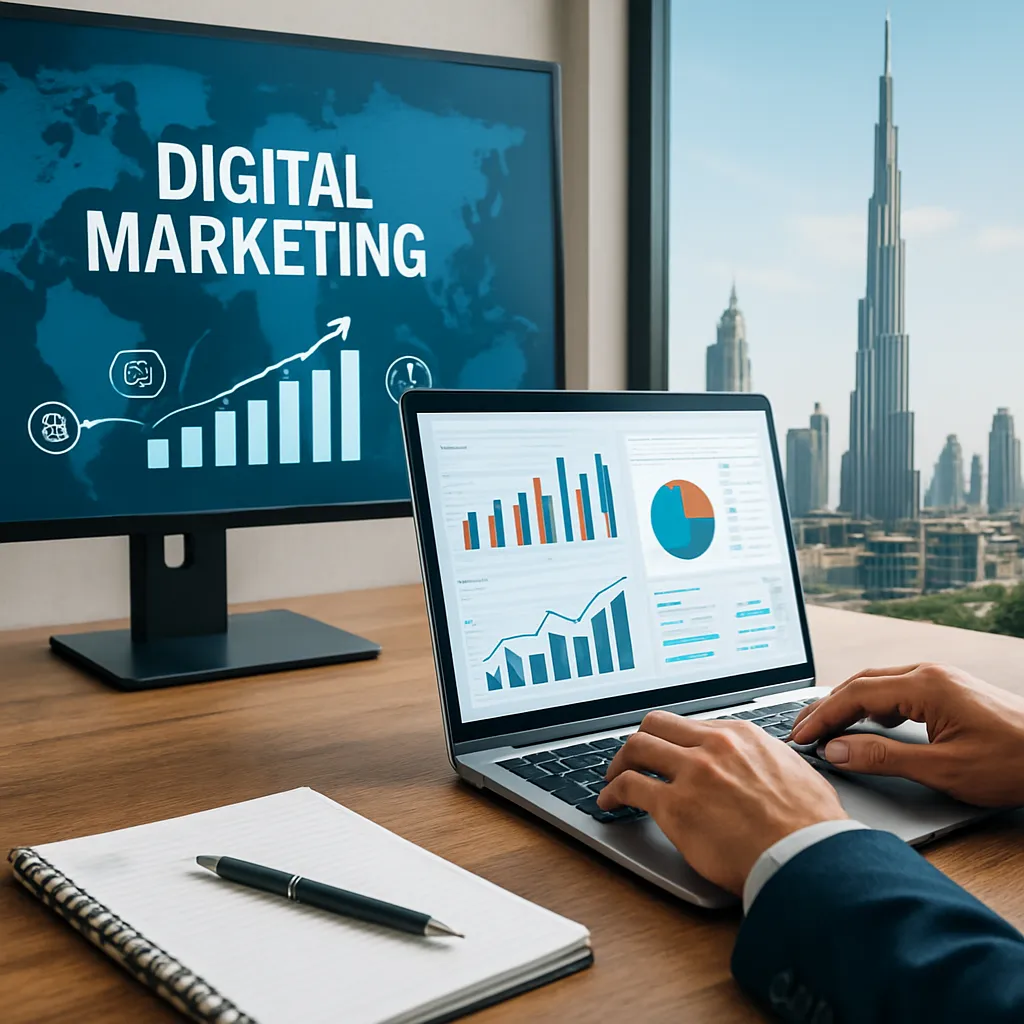
How to Optimize for Dubai’s Highly Competitive Industries
Dubai’s economy thrives on ambition, speed and constant reinvention. For marketers, that means intense competition in sectors like real estate, tourism, luxury retail, finance and technology – and an environment where only the most data‑driven and creative strategies win. This article explains how to optimize your **digital** presence for Dubai’s highly competitive industries, combining local insights, performance marketing tactics and measurable frameworks that can scale.
Understanding Dubai’s Digital Landscape and User Behavior
Any strategy that aims to dominate Dubai’s competitive industries has to start from a clear understanding of how people in the UAE use the internet, search and social platforms, and how they make purchase decisions.
Key digital statistics and what they mean for marketers
According to DataReportal’s 2024 UAE report and regional industry studies, the local online environment is one of the most dynamic globally:
- Internet penetration in the UAE is consistently above 99%, making virtually the entire population reachable through digital channels.
- Social media penetration also exceeds 99%, with the average user active on 7–8 platforms, including WhatsApp, Instagram, TikTok, Snapchat, LinkedIn and X (formerly Twitter).
- The UAE ranks among the global leaders in e‑commerce spending per capita, with estimates often surpassing USD 3,000 per user annually.
- Mobile is dominant: more than 90% of web traffic in some sectors (e.g., food delivery, ride‑hailing, quick commerce) originates from smartphones.
- Video is a primary content format: YouTube usage is near‑universal, and short‑form video on TikTok, Instagram Reels and Snapchat Spotlight drives huge engagement.
For Dubai‑focused marketers, these data points have three immediate implications:
- You must treat mobile as the default, not an add‑on; websites, funnels and creatives should be conceived mobile‑first.
- Multi‑platform consistency is critical: customers will often see messages on several social networks before visiting your site or contacting your team.
- Video content is no longer optional for competitive industries – it is a core channel for awareness and conversion alike.
High‑value industries and their specific dynamics
Dubai’s most competitive sectors are also those with the highest customer lifetime value and the largest marketing budgets. Each one has digital characteristics that shape optimization strategies.
- Real estate: One of Dubai’s economic pillars, with huge competition across off‑plan launches, secondary market sales, rentals and property management. Lead quality matters more than raw volume; the best campaigns track all the way to closing.
- Tourism and hospitality: Dubai International Airport is consistently among the world’s busiest, and the city attracts millions of visitors annually. The battle happens across OTAs, price comparison sites, meta‑search engines and direct booking funnels.
- Luxury retail: Malls such as Dubai Mall and Mall of the Emirates are global symbols of high‑end shopping. Online, this translates into fierce competition around branded keywords, marketplace visibility and omni‑channel experiences.
- Finance and fintech: Banks, payment providers and wealth‑management firms compete on convenience and trust. Regulatory compliance and reputation management are vital components of digital strategy.
- Technology and startups: Free zones like Dubai Internet City, DIFC and Dubai Silicon Oasis attract SaaS, AI and platform businesses. Growth is fueled by performance marketing, account‑based tactics and partner ecosystems.
In all of these categories, the challenge is similar: how to reach a highly connected audience that is constantly bombarded with offers – and how to build enough trust and differentiation to win the click, the lead and the sale.
Strategic Positioning and Localized SEO for Dubai
Search engines remain a critical channel for Dubai’s industries, especially in English and Arabic. While global SEO principles apply, there are local nuances that can significantly impact performance.
Crafting a differentiated positioning for a crowded market
Before you invest in traffic, you need a value proposition that answers three questions clearly:
- Who exactly is this for (segment, persona, budget level, location)?
- What specific outcome or experience do you deliver better than alternatives?
- Why should someone trust your brand operating in Dubai?
Examples of focused positioning in competitive Dubai markets might include:
- “End‑to‑end off‑plan investment advisory focused on Dubai Marina and JLT properties for international buyers.”
- “Boutique business hotel specialized in corporate travelers to Dubai Media City, optimized for short stays and hybrid meetings.”
- “Premium D2C abaya and modest fashion brand, inspired by Dubai street style, with same‑day delivery in the emirate.”
Without this clarity, your messaging will dissolve into generic claims that blend with hundreds of competitors.
On‑page SEO tuned to Dubai’s search intent
Dubai‑oriented search optimization requires more than just adding the city’s name to title tags. Effective tactics include:
- Localized keyword research: Explore how different audience segments search – expatriates might use English terms like “Dubai property investment”, while Arabic‑speakers use queries in Arabic script with subtly different intent. Tools like Google Keyword Planner, Ahrefs and SEMrush, combined with Search Console data, are essential.
- Location‑rich metadata: Include specific areas (Dubai Marina, Palm Jumeirah, Business Bay, Downtown Dubai, Deira, JVC) in title tags, meta descriptions, H2s and content copy where relevant.
- Content targeting decision stages: Produce separate assets for awareness (“best areas to invest in Dubai 2026”), consideration (“Dubai Marina vs Business Bay apartments”), and decision (“2‑bedroom apartments for sale in Dubai Marina under AED X million”).
- Multilingual content: Offer at least English and Arabic; consider Russian, Chinese, Hindi or Urdu if your customer base warrants it. Avoid direct translation; adapt tone, offers and visuals per language.
- Structured data: Implement schema markup for local business, products, events, FAQs and reviews to earn rich results and higher SERP visibility.
One frequently overlooked element is content around regulations, fees and compliance. Dubai has unique rules across real estate, tourism, healthcare and finance. High‑value users frequently search for this information, and brands that explain it clearly gain authority and backlinks.
Local search, maps and authority signals
For many Dubai industries, Google Business Profile and map visibility influence a substantial part of lead generation. Strong optimization includes:
- Consistent NAP (name, address, phone) data across all listings and directories, especially for free zones vs mainland setups.
- High‑quality photos and short videos of offices, showrooms, properties or venues.
- Category selection that reflects how people actually search: “Real estate agency”, “Property management company”, “Hotel”, “Event venue”, “Clinic” etc.
- Proactive review acquisition and response strategies – especially important in hospitality and medical services, where reviews heavily influence bookings.
From an authority perspective, coverage in Dubai‑based media (Khaleej Times, Gulf News, What’s On, Arabian Business, Caterer Middle East and niche industry outlets) provides not only backlinks but powerful brand credibility.
Performance Marketing and Conversion Optimization in Competitive Sectors
In Dubai’s crowded verticals, organic visibility is only one piece of the puzzle. Paid media – from search and social to programmatic and influencers – typically accounts for a large share of acquisition budgets. Success depends on both media buying expertise and disciplined conversion optimization.
Search and social advertising tailored to Dubai audiences
Google Ads and Meta platforms (Facebook and Instagram) are still the backbone of performance marketing, but their configuration must reflect the city’s demographic diversity and competitive intensity.
- Granular audience segmentation: Segment by language, location (Dubai vs other emirates), income proxies, interests and behaviors. For example, a luxury property launch may target frequent travelers to Dubai, high‑income lookalikes and users interested in global real estate investing.
- Ad localization: Test creatives that highlight landmarks (Burj Khalifa, Palm Jumeirah, Museum of the Future), local benefits (0% income tax, strong rental yields) or practical advantages (proximity to metro, schools, beaches).
- Seasonality: Align campaigns with Dubai Shopping Festival, Ramadan, Eid, major business events, Gitex Global, Art Dubai, and peak tourism months when intent and competition both spike.
- Cross‑border targeting: Many buyers of Dubai property or tourism products live in Saudi Arabia, India, the UK, Russia and Europe. Campaigns that combine Dubai‑centric messaging with country‑specific targeting unlock incremental growth.
A 2023 regional performance benchmark study noted that cost‑per‑click in UAE finance and real estate is among the highest in MENA, often reaching several USD per click or more. That makes post‑click optimization non‑negotiable.
High‑converting landing experiences for Dubai users
Once you have paid traffic, every friction point reduces return on ad spend. Optimization tactics particularly relevant for Dubai include:
- Ultra‑fast mobile performance: Aim for sub‑2‑second load times on mid‑range Android devices over 4G, as many users browse on the move.
- Localized trust signals: Display RERA, DED, DIFC or free‑zone licenses where appropriate, and add recognizable partner or developer logos (Emaar, DAMAC, Nakheel, Meraas etc. in real estate).
- Local contact options: Prominent UAE phone numbers and especially WhatsApp click‑to‑chat are powerful in converting curious visitors to conversations.
- Language switching: Easy toggling between English and Arabic on landing pages, preserving UTM parameters and tracking.
- Social proof from local and regional clients: Testimonials from GCC customers, photos from Dubai‑based projects, press mentions in UAE media.
In hospitality and tourism, dynamic pricing integrations and urgency signals (limited rooms, time‑bound offers for Dubai events) can significantly lift direct booking conversion rates, helping hotels and attractions reduce dependence on OTAs.
Lead qualification, sales alignment and CRM
Because many competitive industries in Dubai rely on high‑ticket sales – property purchases, enterprise tech contracts, financial products – the true measure of digital marketing success is not clicks or form fills but closed deals and long‑term relationships.
- Lead scoring: Assign values based on source, location, behavior and declared budget. Real estate firms may prioritize leads who viewed certain projects or downloaded investment guides.
- CRM integration: Sync lead data from web forms, live chat and WhatsApp into CRMs like HubSpot, Salesforce or Zoho, with automated segmentation by nationality, language, investment size or vertical.
- Marketing‑sales feedback loops: Weekly reviews where sales teams share insights on lead quality per campaign, keyword or creative, feeding back into bidding and messaging decisions.
- Nurture sequences: Automated yet personalized email and WhatsApp flows that share market reports, Dubai policy updates, case studies and limited offers, especially important for international investors who decide over months, not days.
Organizations that implement this full‑funnel measurement often discover that some high‑CPC channels still deliver strong ROI because they produce leads with much higher closing rates and higher deal sizes.
Brand Building, Content and Community in Dubai’s Ecosystem
Performance marketing can win attention quickly, but in hyper‑competitive markets it is brand reputation and content authority that sustain growth and stabilize acquisition costs over time.
Content strategies that resonate in Dubai
Dubai’s mix of long‑term residents, short‑term visitors, entrepreneurs and corporate decision‑makers creates multiple content opportunities:
- Educational content: Guides on setting up companies in free zones vs mainland, understanding Dubai property laws, navigating banking, local tax or visa pathways attract high‑intent audiences and links.
- Market reports and indices: Quarterly real estate trends, tourism forecasts, retail footfall studies and fintech adoption reports position your brand as a data‑driven authority.
- Visual and experiential storytelling: High‑quality photography, drone footage and virtual tours are extremely effective in real estate, hospitality and retail, especially when optimized for social platforms.
- Event‑driven content: Coverage of Expo legacy projects, Gitex innovations, Dubai Design Week or major sporting events provides timely hooks for B2B and B2C audiences.
Brands that consistently publish locally relevant, insight‑rich content in multiple languages tend to earn organic media coverage and influencer mentions, reinforcing both SEO and brand equity.
Influencers, creators and partnerships
Dubai is a regional hub for influencers and content creators across fashion, travel, technology and business. While the landscape is crowded, carefully chosen collaborations can yield strong results:
- Micro‑influencers in niche communities (e.g., property investment groups, startup founders, wellness communities) often deliver higher trust than mega‑influencers.
- Co‑hosted webinars or live sessions on topics like “Investing in Dubai real estate from abroad” or “Launching a startup in Dubai free zones” can drive highly qualified leads.
- Co‑branded campaigns with airlines, payment providers or developers extend reach and add credibility, particularly in tourism and retail.
Regulatory compliance is important here: the UAE has advertising and influencer marketing rules, and brands need clear disclosures and contracts to avoid reputational risks.
Reputation management and social listening
With such a high social media usage rate, customers in Dubai quickly share both positive and negative experiences. Monitoring and responding is therefore a core optimization activity:
- Track mentions in English and Arabic across social platforms and review sites for your brand, key executives, flagship properties or products.
- Establish playbooks for handling complaints swiftly – especially in hospitality, healthcare and financial services where trust is fragile.
- Highlight standout experiences, user‑generated content and success stories proactively to shape perception.
Over time, a strong online reputation can be a decisive differentiator in sectors where features and pricing are similar.
Data, Experimentation and Long‑Term Optimization
Winning in Dubai’s competitive industries is not a one‑off campaign; it is a continuous process of measurement, experimentation and strategic refinement.
Analytics and attribution frameworks
Given the multi‑channel nature of customer journeys, simple last‑click attribution is misleading. More sophisticated setups include:
- Event‑level tracking across web, app, CRM and offline sales using tools like Google Analytics 4, server‑side tracking and CRM APIs.
- Custom conversion events around high‑value behaviors: virtual tour completions, meeting bookings, document downloads, payment initiations.
- Multi‑touch attribution models that reflect long consideration cycles in real estate, B2B tech and finance.
Because of cross‑border traffic and privacy changes, some teams also rely on media‑mix modeling and uplift experiments to understand channel contribution at a macro level.
Structured experimentation: A/B testing for Dubai audiences
Systematic experimentation turns intuition into evidence. In practice this involves:
- Regular A/B tests on ad creatives, value propositions, landing page layouts and call‑to‑action styles (e.g., “Request brochure” vs “Talk to Dubai advisor now”).
- Testing cultural nuances: images featuring Dubai skylines vs generic cityscapes; references to local benefits like safety, infrastructure and business‑friendly regulation.
- Time‑of‑day and day‑of‑week testing: many industries observe distinct peaks aligned with office hours, prayer times, weekends (Friday–Sunday) and visitor patterns.
The most advanced teams create experimentation roadmaps, ensuring that lessons learned in one campaign inform the next across multiple business units and markets.
Building resilient digital capabilities
To stay competitive, companies in Dubai’s key industries increasingly invest in internal digital capabilities instead of relying solely on external agencies. This includes:
- Dedicated growth teams focused on performance channels, funnel optimization and retention.
- In‑house content studios for rapid production of localized creatives and video.
- Data and analytics specialists who can translate raw numbers into strategic decisions, forecasting and board‑level reporting.
Organizations that treat digital marketing as a core strategic asset – not just a cost center – are the ones that most effectively capitalize on Dubai’s growth potential.
Conclusion: Competing for Attention in Dubai’s Digital Arena
Thriving in Dubai’s highly competitive industries requires a blend of precise positioning, locally tuned SEO, aggressive yet intelligent performance marketing, and relentless focus on analytics and experimentation. The city’s digital environment is both saturated and full of opportunity: almost everyone is online, almost every sector is contested, and yet new success stories emerge every year.
Brands that outperform do three things consistently: they understand the specific behaviors and expectations of Dubai’s diverse audiences; they align paid, owned and earned channels around clear commercial goals; and they build internal capabilities to keep learning faster than the competition. When these elements come together, digital marketing becomes not just a source of leads or bookings, but a durable competitive advantage in one of the world’s most dynamic urban economies.