How to Use Google Trends for Dubai Keywords
Google Trends is one of the most underestimated tools in **digital** marketing, yet it can dramatically improve how you research and optimize **keywords** related to Dubai. From tourism and real estate to e‑commerce and local services, understanding what people actually search for about Dubai – and when – helps you allocate budget more effectively, create content that ranks and convert search interest into measurable business results.
Understanding Google Trends and Why Dubai Keywords Matter
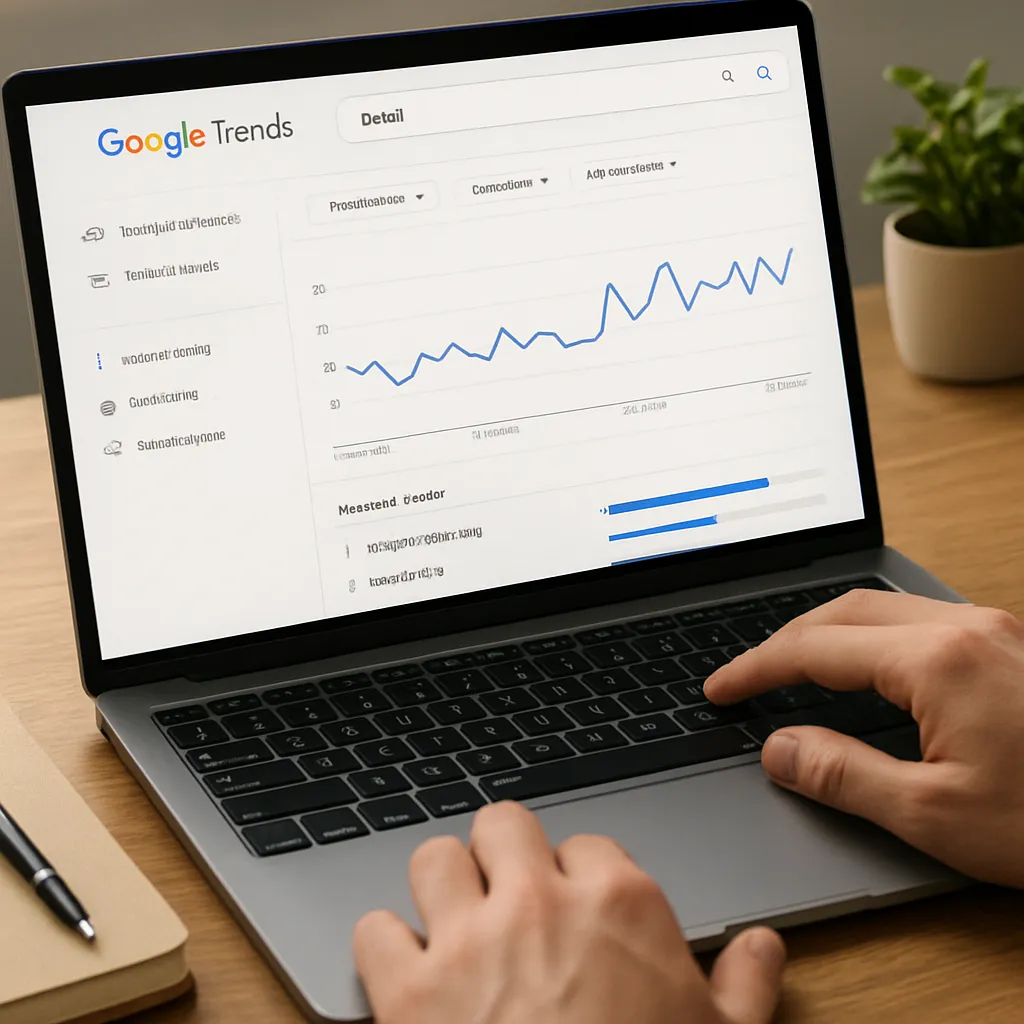
Google Trends shows the relative popularity of search queries over time. Instead of raw numbers, you see an index from 0 to 100, where 100 represents the peak search interest for a chosen term in a specific time and location. For Dubai-related **search** terms this is especially powerful, because the city’s economy is driven by sectors that strongly depend on seasonality and global attention: tourism, real estate, events, retail and luxury.
According to various industry reports, more than 90% of online experiences begin with a search engine, and Google holds around 90–95% search market share in the UAE. That means Google Trends offers an exceptionally accurate proxy of user interest for Dubai-specific topics. When potential visitors, investors or residents start researching “Dubai property”, “Dubai visa” or “flights to Dubai”, their behavior is immediately reflected in trending curves you can analyze.
Dubai is also a highly competitive market. Advertising costs for English‑language and Arabic campaigns around “Dubai hotels”, “Dubai apartments” or “Dubai jobs” are among the highest in the region. Using Google Trends to discover rising long‑tail queries, regional differences within the UAE and seasonal spikes helps you escape the most expensive, generic phrases and target more precise, conversion‑ready terms.
For online marketers serving Dubai, Trends is not only a research utility; it is a strategic radar for detecting demand shifts, new consumer interests and declining topics before your competitors do. Integrated into your day‑to‑day SEO, content and **PPC** workflow, it changes how you choose topics, structure landing pages, plan calendar campaigns and monitor brand health.
Setting Up Google Trends for Effective Dubai Keyword Research
The real power of Google Trends appears when you configure it correctly for the Dubai context. Many marketers look only at global graphs for generic terms; however, precise geo‑targeting and smart filtering are essential to get actionable insights.
Choosing the right location and time range
When you open Google Trends, the first step is to adjust the location filter. For Dubai‑focused campaigns, you usually have three useful options:
- United Arab Emirates – to see how interest in Dubai keywords compares across all emirates. This is useful if you serve customers in Abu Dhabi, Sharjah or other regions, but your main offering is in Dubai.
- Worldwide – to understand how international audiences search for Dubai. This is critical for tourism, events, foreign investment and international education marketing.
- Specific countries such as India, Saudi Arabia, UK, Germany or Russia – to identify which queries about Dubai are popular in each source market, and how they differ.
The time range is equally important. Short intervals like “Past 7 days” or “Past 30 days” reveal short‑term events and trending topics: major conferences, new attractions, viral social media moments or breaking news. Longer ranges like “Past 12 months” or “Past 5 years” reveal structural **trends**: growing or declining interest in “Dubai real estate”, “remote jobs Dubai” or “Dubai Expo”.
For seasonal planning, at least two or three years of data are recommended. Dubai tourism, retail and events follow clear patterns around New Year, winter holidays, Ramadan, summer sales and big exhibitions. By comparing interest for “Dubai hotel”, “Dubai shopping festival” or “Dubai desert safari” across multiple years, you can anticipate peaks and plan content and budgets well in advance.
Distinguishing between “search term” and “topic”
Google Trends offers two types of inputs: “search term” and “topic”. A search term shows interest only in that exact phrase or its close variations. A topic groups many related searches in different languages and expressions into a broader concept.
When analyzing Dubai, this distinction is crucial because of linguistic diversity. People search in English, Arabic, Russian, Hindi, Urdu, Chinese and many other languages. If you choose a topic such as Dubai (City), you capture aggregated interest across languages. If you analyze a specific search term like Dubai jobs or شقق دبي, you focus on a more precise query pattern, which is better for keyword planning and ad groups.
In practice, use topics when you want a macro view of interest in Dubai as a destination or city, and specific search terms when planning SEO, content or advertising copy. By alternating between both, you avoid misinterpreting the data.
Leveraging related queries and related topics
Below the main graph, Google Trends lists “related queries” and “related topics”. These are automatic associations based on what users who searched your keyword also searched for. Two labels deserve special attention:
- Rising – queries that grew significantly in the chosen time frame. If a query appears with “Breakout”, it means its search volume increased by more than 5,000%.
- Top – queries with the highest overall popularity related to your term.
For Dubai campaigns, the Rising section is a constant source of new content ideas. For example, if you analyze “Dubai tourism” and see a breakout query like “Dubai Museum of the Future tickets” or “Dubai Expo legacy projects”, you know these topics gained traction and you can immediately create landing pages, blog posts or video content around them.
Similarly, related topics might reveal new competitor brands, neighborhoods (e.g., Business Bay, Dubai Marina, JLT), attractions (Ain Dubai, Sky Views Observatory) or service categories (co‑working spaces, beach clubs) that your existing content does not cover yet. Approaching Dubai SEO without systematically scanning these related clusters often leads to gaps that competing sites can exploit.
Comparing Dubai keywords to refine your strategy
One of the most effective features in Google Trends is the comparison function. You can enter up to five search terms or topics and analyze them side by side. For Dubai marketing, this helps in several ways:
- Brand positioning – compare your hotel, property agency or e‑commerce brand with competitors to see who leads in search popularity and how that changed over time.
- Service mix decisions – compare categories like “Dubai hotel” vs “Dubai holiday apartment” vs “Dubai Airbnb” to understand where demand is shifting.
- Content prioritization – compare similar content ideas like “Dubai desert safari” vs “Abu Dhabi desert safari” or “Dubai yacht rental” vs “Dubai dhow cruise” to decide which topics deserve more resources.
By using this comparative view together with CPC and conversion data from platforms like Google Ads, you can identify sweet spots: queries with strong and stable interest but relatively low competition and acquisition costs.
Practical Applications of Google Trends for Dubai Online Marketing
Once you understand how to navigate Google Trends, the next step is embedding it into your marketing workflow. Dubai’s rapid development, constant news cycle and global media attention generate frequent spikes in interest that you can turn into traffic and revenue if you react quickly.
Seasonal campaign planning for tourism and hospitality
Hotels, airlines, tour operators and attractions around Dubai are heavily affected by seasonality. Cooler winter months attract tourists from colder countries, while summer brings specific promotions targeted at GCC families and residents. Google Trends lets you map these seasonal curves with precision.
Take a query like “Dubai hotel deals”. If you analyze it over the past five years worldwide, you will likely see recurring peaks just before major holidays and long weekends in key origin markets. You can then match your campaign schedule, email marketing and PPC budgets to the weeks when search interest starts rising, not only when it already peaked.
Additionally, you may notice regional differences. For example, interest in “Dubai flights” from the UK might surge during January when people plan winter escapes, while searches from neighbouring Gulf countries increase around religious holidays. This insight lets you adapt your messaging, languages and offers per market instead of using one generic global calendar.
Desert safaris, yacht rentals, theme parks and city tours can follow the same logic. For each product category, analyze multi‑year trends in source markets and create a content calendar that anticipates user questions, such as “Dubai desert safari best time”, “what to wear in Dubai in December” or “Dubai theme parks tickets online”. The aim is to be visible precisely when users form intentions.
Real estate and investment insights from search behavior
Dubai’s real estate sector is highly dynamic, with cycles of rapid growth and corrections influenced by global macroeconomic conditions, visa policies and new infrastructure projects. While Google Trends is not a financial forecasting tool, it can reveal shifts in investor and buyer interest that complement traditional market data.
By tracking queries like “buy apartment in Dubai”, “Dubai off-plan projects”, “Dubai Golden Visa”, “Dubai freehold property” or specific community names, you can monitor relative interest over time. Sharp and sustained increases in these terms, especially from certain countries, often precede higher transaction activity. For agencies and developers, this signals when to increase marketing spend in that market, localize content or assign more sales resources.
Regional breakdowns add another layer. If you see growing interest in “Dubai property” from countries that were previously minor contributors to the market, this might indicate new emerging segments worth targeting with educational content about regulations, financing and lifestyle. Conversely, declining relative interest can inform a more conservative approach.
Capturing event-driven spikes and PR opportunities
Events like international expos, global sports tournaments, entertainment festivals or large tech conferences often generate sharp but short‑lived surges in searches related to Dubai. Examples include queries such as “Dubai Expo tickets”, “concert in Dubai”, “Dubai Airshow dates” or the name of a global brand opening a new flagship store in the city.
By monitoring Google Trends for these terms, you can anticipate and react to event-driven traffic opportunities. For instance, if you manage a hotel near an expo or conference location, you might create packages containing room, transfer and fast access to the venue and optimize landing pages for queries that include both the event name and “hotel” or “stay near”.
Content publishers and bloggers can prepare guide articles and videos covering event schedules, transport tips, nearby attractions and dining options. This drives organic traffic during the peak interest window, which can then be retargeted with email or ads for future visits.
On the PR side, sudden spikes in searches for controversial or breaking news topics related to Dubai (e.g., regulatory changes, major infrastructure announcements, new visa categories) can indicate issues where early, clear communication from businesses is valuable. A law firm, for example, might publish an immediate explainer about a new residency law once they see rising interest in related queries.
Optimizing multi‑language SEO and content for Dubai audiences
Dubai’s population and visitor base are extremely multicultural. English is widely used, but Arabic, Hindi, Urdu, Russian, Chinese, French and many other languages are present in search data. Google Trends helps prioritize which languages and scripts deserve dedicated SEO efforts.
By comparing the relative interest of English versus Arabic queries (for example “Dubai car rental” vs “تأجير سيارات دبي”), you can estimate which audience segments search more actively in each language. Combined with knowledge of conversion rates and transaction values per segment, this informs how much time and budget you invest in translations, localized content and link‑building.
Additionally, you can discover language‑specific questions that do not have strong competition yet. For instance, a spike in Russian‑language queries around “education in Dubai for expats” or Hindi searches for “jobs in Dubai for freshers” can be the basis for niche landing pages, lead magnets or webinars.
To make this process systematic, create a simple matrix of keywords by language and country, then inspect the related queries in Google Trends for each combination. This reveals cultural nuances in what different audiences care about: some may focus more on cost of living and visa rules, others on luxury, safety or business opportunities.
Aligning PPC bids and budgets with real demand
Paid search in Dubai can be expensive due to intense competition for commercial terms such as “Dubai hotel”, “Dubai real estate agent”, “rent car Dubai” or “Dubai jobs”. While Google Ads provides detailed cost and performance data, it does not always show broader temporal patterns or early signals of rising interest.
By overlaying your Google Ads statistics with Google Trends curves, you can refine bidding strategies. When Trends shows a consistent upward movement for a valuable keyword in an origin country, you can raise bids or expand match types ahead of competitors, capturing more qualified traffic at a lower marginal cost. When interest declines seasonally, you can reduce bids or reallocate budget to better‑performing segments.
You can also test new keyword themes that appear as “Rising” in Trends before they become saturated. For example, if you spot increasing interest in “remote work in Dubai” or a new neighborhood, you can create targeted ad groups and landing pages early. In many cases, CPCs are lower for emerging trends than for long‑established generic terms.
Reputation and brand health monitoring for Dubai businesses
Google Trends is not a detailed social listening tool, but it can still function as a basic brand health indicator. By tracking search interest in your brand name versus generic category terms, you see whether your brand recognition is improving relative to the market. For major Dubai hotels, malls, developers or service providers, this offers a simple way to measure the impact of offline campaigns, sponsorships and PR.
If a campaign, partnership or high‑profile event is successful, you often notice a temporary spike in brand‑name queries. Over multiple months and years, a gradual upward trend indicates growing brand equity. If, on the other hand, your category terms (like “Dubai serviced apartments”) grow steadily but your brand name remains flat or declines, it may signal that your marketing is generating demand for the category without capturing enough of it under your own brand.
Another use case is incident management. A sudden spike in searches combining your brand name with words like “complaint”, “problem” or “scam” in any language is a signal to examine what triggered concern, respond quickly and adjust communication. For Dubai‑based companies that serve international clients, setting simple monitoring routines around this sort of combined query helps protect reputation.
Integrating Google Trends into a Broader Dubai Marketing Strategy
Google Trends is most powerful when integrated with other **analytics** and marketing tools rather than used in isolation. For Dubai‑focused digital campaigns, the goal is to turn observed search patterns into actions that improve visibility, relevance and conversions.
Combining Trends with keyword planners and analytics platforms
While Google Trends shows relative interest, keyword planners such as Google Keyword Planner, SEMrush or Ahrefs provide estimated search volumes and CPC ranges. Use Trends to identify which Dubai keywords are gaining or losing popularity, then plug those terms into volume‑based tools to quantify potential traffic and advertising costs.
At the same time, connect Trends insights with on‑site analytics such as Google Analytics or similar platforms. For example, you might spot that search interest in “Dubai vegan restaurants” is rising. After publishing a guide targeting that topic, check how much of your organic traffic growth correlates with the Trend and which landing pages capture it. This feedback loop helps refine both keyword targeting and content formats.
Building a content roadmap around Dubai search intent
A structured content roadmap is essential to compete in Dubai’s crowded digital space. Google Trends supports this roadmap by clarifying what users care about at each stage of the journey: awareness, consideration and decision.
For the awareness stage, look at broad queries like “moving to Dubai”, “visit Dubai”, “living in Dubai pros and cons” or “Dubai lifestyle”. Content formats may include long guides, comparison articles, checklists and explainer videos that answer exploratory questions.
For the consideration stage, analyze more specific searches such as “best area to stay in Dubai”, “Dubai Marina vs Downtown”, “Dubai international schools ranking” or “co-working spaces in Dubai”. Here, comparison charts, neighborhood overviews, feature tables and detailed case studies perform well.
For the decision stage, monitor highly transactional queries: “book Dubai hotel online”, “Dubai property agent near me”, “desert safari booking”, “Dubai visa consultant phone number”. Landing pages at this stage should be fast, mobile‑optimized, trust‑building and clearly focused on converting traffic into inquiries or sales.
Use Google Trends filters to see which of these intent layers are growing fastest, and adjust your content mix accordingly. When you notice a surge in research-oriented queries, it may be the right time to produce new educational content. When transactional queries dominate, emphasize performance‑oriented pages and retargeting strategies.
Tracking long‑term macro trends that affect Dubai marketing
The Dubai market is influenced by global macro trends such as remote work, digital nomadism, sustainable tourism, fintech innovation or changes in immigration policy. Google Trends lets you watch how these global themes intersect with Dubai over time.
By comparing general topics like “digital nomad visa” or “crypto friendly cities” with “Dubai” as a location or modifier, you can gauge how strongly Dubai is associated with these movements in searchers’ minds. A sustained increase in queries combining Dubai with remote work, long‑term stays or sustainability suggests new positioning opportunities for property developers, serviced apartment providers, co‑working brands or green tourism initiatives.
Similarly, tracking interest in “Dubai startup”, “Dubai fintech”, “Dubai free zone company” or “Dubai metaverse” can indicate emerging business ecosystems where early content and networking efforts pay off later. The marketing implication is simple: align your brand message with macro trends that show consistent upward curves in Trends, not with buzzwords that spike briefly and then vanish.
Practical workflow for Dubai marketers using Google Trends
To make regular use of Google Trends without overwhelming your schedule, build a simple routine:
- Define a core list of 30–50 Dubai‑related keywords and topics grouped by category: tourism, real estate, jobs, events, lifestyle, business, legal, healthcare, education, etc.
- Once a month, review their trends for the past 12 months and 5 years at least for the UAE, worldwide and your top 5 origin countries.
- Pay special attention to Rising queries: extract all “Breakout” related queries, categorize them and feed them into your content calendar and keyword planner.
- Compare your brand name against 2–3 core competitors to monitor relative attention and annotate major campaigns or news on the trend graphs.
- Document your observations in a simple spreadsheet so that over time you build institutional memory of how Dubai search behavior evolves.
This disciplined but lightweight approach turns Google Trends from a one‑off curiosity into a strategic tool. It ensures your digital assets – from blog posts and landing pages to video content and ad copy – remain aligned with what potential customers around Dubai and abroad truly search for.
For businesses and marketers focusing on Dubai, the combination of search‑driven insights, strong **SEO**, granular audience segmentation and timely campaign execution becomes a significant competitive advantage. Google Trends is a core component of that system, revealing not only what is popular now, but also where attention is likely to shift next.