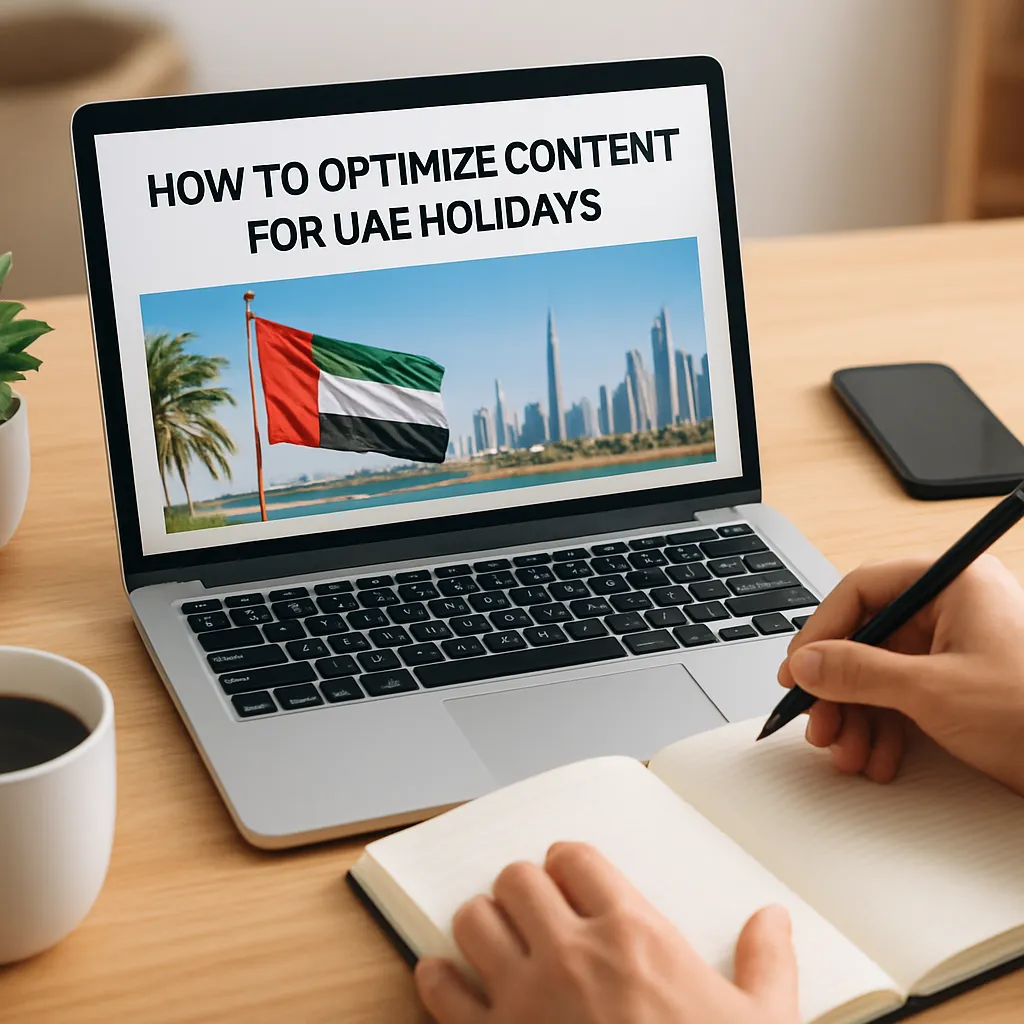
How to Optimize Content for UAE Holidays
Optimizing content for UAE holidays is a powerful way to reach audiences across Dubai, Abu Dhabi and the wider Emirates, where calendar dates strongly influence search behavior, shopping decisions and travel plans. Brands that align their digital strategy with national and religious occasions such as Ramadan, Eid Al Fitr, Eid Al Adha, UAE National Day, Commemoration Day or Dubai Shopping Festival can significantly improve visibility, engagement and conversions. Below you will find a comprehensive guide to understanding user intent, planning content, and executing campaigns specifically tailored to the unique cultural and digital landscape of the United Arab Emirates.
Understanding the UAE holiday landscape and user intent
The UAE has a mixed calendar of Islamic, national and commercial events, and each type of holiday generates distinct search spikes, purchasing patterns and content needs. To optimize content effectively, marketers must first understand how people in the Emirates behave around these key dates and what they expect from brands.
Main types of holidays in the UAE
- Ramadan (lunar month, dates shift yearly): Month of fasting and charity, with very specific patterns of online activity. Search interest often increases late at night (after iftar) and focuses on food delivery, religious content, charity, family gatherings and shopping offers ahead of Eid.
- Eid Al Fitr: Celebration at the end of Ramadan; strong peaks in queries about gifts, fashion, travel, hotel stays and entertainment. It is one of the most important periods for retail and e‑commerce in the region.
- Eid Al Adha: Focus on family gatherings, travel, livestock and meat purchases, as well as luxury spending for those staying in the country.
- UAE National Day (2 December): Very strong emotional component related to national pride, flags, parades, cultural events, decorations and special retail promotions. Content focused on local identity, heritage and modern achievements performs particularly well.
- Commemoration Day (1 December): More solemn tone; content should highlight respect and gratitude for the sacrifices of Emirati martyrs, aligning with official narratives and avoiding overt commercialism.
- New Year’s Eve and international events: Dubai’s fireworks, hotel bookings, restaurant offers and entertainment experiences drive heavy search traffic and social media buzz.
- Dubai Shopping Festival and other commercial seasons: Intense focus on deals, electronics, luxury goods, fashion, beauty and staycations.
Key behavioral patterns around UAE holidays
Several trends repeat across holidays in the Emirates and can guide how you structure your content:
- Late‑evening and mobile‑first usage: In Ramadan, for example, online activity typically rises after sunset. Throughout the year, the UAE remains a strongly mobile market. According to various regional reports, mobile internet penetration in the UAE is above 90%, and mobile accounts for a dominant share of web traffic. This means your holiday content must load fast and be easy to navigate on smartphones.
- High social media penetration: The UAE is consistently ranked among the top countries globally for social media usage. Several industry studies indicate social media penetration levels above 98%, with platforms like Instagram, TikTok, Snapchat, X and Facebook being widely used. Holiday content should therefore be designed with shareability, short video formats and platform‑specific adaptations in mind.
- Multilingual audience: Arabic and English are the primary languages, but large South Asian and expatriate communities also use Hindi, Urdu, Malayalam, Tagalog and others. For content optimization, at minimum consider Arabic and English versions, with localized keywords, culturally adapted visuals and tailored calls to action.
- Strong interest in deals and experiences: During Eid and National Day, people heavily search for discounts, travel offers, staycations, dining packages, events and family activities. Optimizing landing pages and blogs around “offers”, “packages”, “things to do” and “best places” in specific emirates improves performance.
Search intent across the holiday journey
User intent evolves as holidays approach. Structuring your content to match each stage can significantly improve search rankings and paid campaign efficiency.
- Early discovery stage (4–8 weeks before): Users research dates, travel options, school calendars, public holidays and general ideas. Content examples:
- Guides explaining upcoming UAE public holidays for the year
- Top destinations from UAE for Eid breaks
- Corporate planning checklists for National Day marketing
- Planning and comparison stage (2–4 weeks before): Interest in prices and specific offers grows. Users compare hotels, airlines, gift options and event tickets.
- Comparison articles: “Best staycation offers in Dubai for Eid”
- SEO landing pages for particular emirates or neighborhoods
- How‑to guides: gift ideas, family activities, decoration themes
- Action and last‑minute stage (0–7 days): Users are ready to buy; they look for availability, same‑day delivery, late reservations and nearby experiences.
- Quick‑booking pages optimized for mobile
- Local SEO content: “restaurants near me open on Eid morning”
- Clear CTAs and WhatsApp click‑to‑chat integrations
- Post‑holiday stage (up to 2 weeks after): Interest moves towards returns, reviews and next events (e.g., after Eid, attention shifts to back‑to‑school).
- Review‑request emails and on‑site prompts
- Blog recaps: “What we learned from this year’s National Day campaigns”
- Remarketing content for upcoming occasions
SEO and content strategy for UAE holiday optimization
Optimizing content for UAE holidays requires a combination of robust SEO foundations, local keyword research, culturally aligned messaging and flexible publishing schedules. Getting these elements right will make your brand more visible not only during peaks, but throughout the year as people plan ahead.
Holiday keyword research with local nuances
To create content that truly matches how people search, analyze queries in both Arabic and English, and account for regional naming conventions. For example, “UAE National Day offers” in English may coexist with Arabic keywords referring to the same holiday by its formal and colloquial names. Tools such as Google Trends, Google Keyword Planner and regional SEO platforms can help reveal seasonal spikes.
- Map keywords by holiday: Maintain a sheet listing each key holiday along with the relevant Arabic and English phrases, including singular and plural forms, brand‑related combinations, and generic search terms such as “UAE public holidays calendar”.
- Focus on long‑tail queries: Phrases like “family‑friendly Eid brunch in Abu Dhabi” or “Ramadan working hours Dubai government” can drive highly qualified traffic.
- Include transactional and informational intent: Blend content answering “what / when / how” questions with pages positioned for “buy / book / reserve / order” queries.
Another essential element is adapting meta titles and descriptions to emphasize the holiday context: mention the year, location and type of offer to stand out in search results.
Content formats that perform well during UAE holidays
Diversifying the formats you use allows you to reach different segments of the audience and fit various algorithms, from search engines to social networks.
- Evergreen guides: Articles like “Complete guide to UAE public holidays 2026” or “How Ramadan affects working hours and shopping in Dubai” bring recurring traffic each year. Update them annually and ensure they load quickly on mobile.
- Listicles and inspiration posts: “10 best places to watch UAE National Day fireworks in Dubai” or “Top Eid gift ideas for coworkers in the UAE” appeal to users looking for quick ideas.
- Localized landing pages: Separate pages for Dubai, Abu Dhabi, Sharjah, Ras Al Khaimah etc., combined with holiday‑specific copy and structured data, improve relevance and local SEO.
- Short‑form video scripts: Outline scripts for 15–30 second clips highlighting offers, behind‑the‑scenes preparations or cultural tips. These can be published on Instagram Reels, TikTok and YouTube Shorts and embedded into your site.
- Interactive elements: Calculators (e.g., “Zakat calculator” during Ramadan), holiday countdown timers, polls and quizzes boost engagement and dwell time, which indirectly supports SEO.
On‑page optimization tailored to UAE audiences
Once you have planned the content, make sure each page is technically and contextually optimized:
- Use holiday keywords in headings, subheadings, body text and image alt attributes, but keep language natural and human‑friendly.
- Highlight culturally important terms, such as Ramadan, Eid, UAE National Day, Dubai, Abu Dhabi, offer, staycation, luxury, family and halal, as they often drive searches and signal relevance.
- Ensure fast page load times on mobile by optimizing images, enabling caching and using a reliable hosting solution close to GCC users.
- Implement structured data (schema.org) for events, products and reviews, so holiday deals and celebrations appear more prominently in search results with rich snippets.
- Align design elements with holiday visuals: colors of the UAE flag for National Day, crescent moon motifs for Ramadan, etc., while keeping accessibility and brand guidelines in mind.
Planning the publishing calendar and content lifecycle
Timing is critical. Holiday optimization should be planned at least one calendar year ahead, particularly for recurring national dates. A practical approach is to create a master “UAE holiday content calendar” with the following components:
- List of all public holidays and common commercial seasons, with approximate Islamic dates and notes on potential changes.
- Publication deadlines set at least 4–6 weeks before each major event for long‑form content, and 1–2 weeks for last‑minute offers or announcements.
- Promotion windows for social media, email and paid ads, with clear budgets for peak periods like Eid and National Day.
- Post‑holiday review slots to evaluate performance and update evergreen pages with new statistics, photos and testimonials.
By treating each holiday as a project with pre‑launch, launch and post‑launch stages, you can avoid last‑minute rushes and ensure your content has time to be indexed and ranked by search engines before traffic spikes.
Integrated digital marketing tactics for UAE holiday campaigns
Optimized content works best when supported by a well‑coordinated mix of channels: search (organic and paid), social media, email, influencers and local partnerships. The UAE’s high internet and smartphone penetration rates make it a fertile ground for multi‑channel campaigns timed to holidays.
Search advertising and remarketing around holidays
Search ads remain one of the most effective tools for capturing commercial intent around UAE holidays. People actively search for specific offers, and competition intensifies near peak dates, so careful planning is crucial.
- Build dedicated campaigns for each major holiday with tailored ad groups in both Arabic and English.
- Use countdown timers in ad copy (for example, “3 days left for Eid offers”) to increase urgency.
- Apply remarketing lists for site visitors who explored holiday pages in previous years, as they may be planning similar activities again.
- Coordinate landing page content with ad messaging to maintain consistency and improve Quality Score.
- Monitor daily budgets and bids closely during the last 7–10 days before a holiday, when search volumes often surge and CPCs rise.
Display remarketing can also be effective after someone visits a holiday landing page but does not convert. Showing personalized banners or responsive display ads reminding users of limited‑time National Day or Ramadan offers can recover otherwise lost sales.
Social media and influencer collaboration
Given the UAE’s exceptional level of social media usage, content created for holidays should be highly shareable, visually striking and platform‑specific. Some practices that tend to work well include:
- Creating short vertical videos that show how people celebrate: iftar preparations, National Day parades, decoration ideas for Eid or hotel experiences.
- Partnering with regional influencers who are culturally aligned and understand religious sensitivities. Their stories, Reels or TikTok videos can substantially amplify reach around peak dates.
- Using holiday‑related hashtags in Arabic and English, but focusing on relevance instead of excessive tagging. For example, combining branded tags with common community phrases.
- Running UGC (user‑generated content) campaigns where customers share how they celebrate with your product or service, possibly incentivized with giveaways and special offers.
- Aligning posting times with peak engagement hours; in Ramadan, evening posts often perform better, whereas on National Day, real‑time coverage during events can drive spikes.
Visual consistency, respect for cultural norms and sensitivity to the religious dimension of certain holidays are vital. Overly aggressive or insensitive promotions can trigger negative sentiment, which spreads quickly on highly connected UAE platforms.
Email marketing and automation flows
Email remains a powerful channel for reaching customers with personalized, timely content, especially for e‑commerce and hospitality brands. For UAE holidays, design specific automation flows:
- Segment your audience based on previous holiday purchases, preferred languages and emirates of residence, which allows you to send more relevant recommendations.
- Schedule multi‑step sequences: a pre‑holiday announcement, a reminder about early‑bird offers, a last‑chance message, and a post‑holiday thank‑you with feedback request.
- Embed culturally appropriate design elements and localized copy, while keeping subject lines succinct and to the point. Mentioning the holiday name and “offer” or “exclusive” can increase open rates.
- Ensure emails are mobile‑optimized; many UAE users read email on their phones, and poorly formatted messages can significantly reduce click‑through rates.
Combining behavior‑based triggers (e.g., abandoned cart during an Eid sale) with time‑based triggers (e.g., sending a National Day offer on the morning of December 1st or 2nd) significantly improves performance.
Measurement, attribution and continuous improvement
To refine your content optimization for UAE holidays over time, you need a solid measurement framework. Configure analytics to track performance by holiday, channel, language and location.
- Define key metrics: website sessions, organic traffic, ranking positions for holiday keywords, conversion rates, revenue, average order value, email open and click‑through rates, social engagement and paid media ROAS.
- Build custom dashboards that isolate each holiday period, comparing performance year on year. This reveals which content pieces and campaigns are truly driving results.
- Use UTM parameters for all paid and social campaigns to ensure accurate attribution in analytics platforms.
- Run A/B tests on landing pages (headlines, CTAs, images), especially for high‑traffic events like Eid or National Day, to gradually improve conversion rates.
- Collect qualitative feedback from customers (surveys, reviews, social sentiment) to understand whether the tone and cultural references in your holiday content resonate positively.
A data‑driven approach makes it possible to experiment with new formats or messages, while still respecting the traditions and expectations associated with each UAE holiday. Over multiple years, this iterative process builds a strong competitive advantage in seasonal digital marketing.