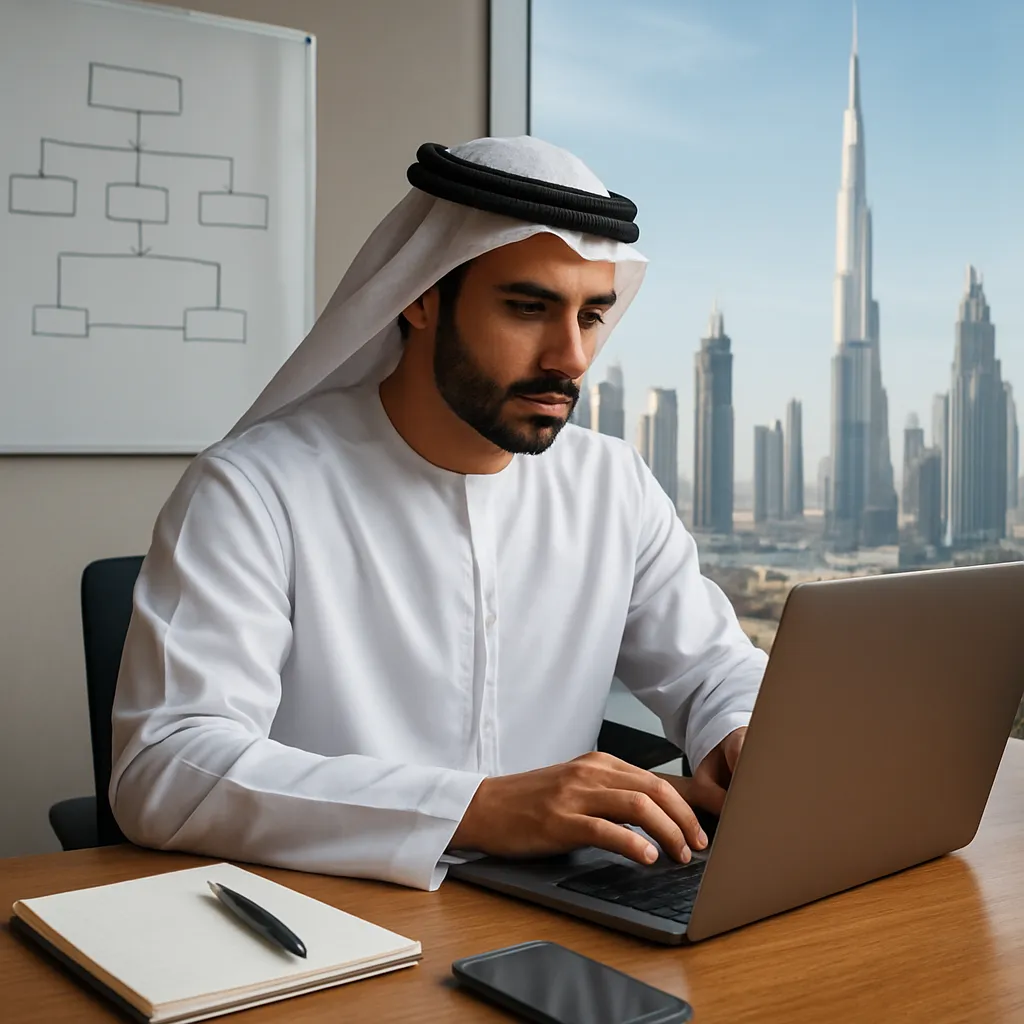
How to Build a Scalable SEO System for Dubai Agencies
Building a truly scalable SEO system in Dubai is less about one-time optimizations and more about designing repeatable processes, reliable data flows and clear responsibilities. Agencies that manage dozens of clients in such a competitive and fast‑growing market need frameworks that reduce manual work, maintain quality and adapt quickly to changes in algorithms, user behavior and local regulations.
The specific SEO landscape of Dubai agencies
Dubai’s digital economy is expanding fast, and that directly shapes what a scalable SEO system must handle. The city attracts global brands, high‑net‑worth individuals and a multilingual population, all competing strongly in search results. This environment creates both unique opportunities and operational challenges for agencies.
Market dynamics and competition
According to the UAE Government’s digital reports, internet penetration in the UAE consistently exceeds 99%, with mobile connections surpassing the total population. This means that almost every potential customer for a local business in Dubai can be reached via organic search on mobile devices. At the same time, ad spend in the MENA region has been shifting steadily toward digital, encouraging more brands to invest in SEO as a channel with long‑term ROI.
For agencies, this translates into:
- High competition in verticals such as real estate, tourism, finance, healthcare and e‑commerce, where rankings are extremely crowded.
- Clients expecting measurable results, often within ambitious timelines, due to strong paid media alternatives.
- Frequent website redesigns and migrations as brands race to modernize their digital experience.
In such a context, a scalable SEO system must emphasize automation, consistent measurement and robust governance, so that agencies can handle both aggressive growth and high client churn without letting quality drop.
Multilingual and multicultural challenges
Dubai is one of the most cosmopolitan cities in the world. Many businesses operate in English and Arabic simultaneously, while luxury and tourism brands may add Russian, Chinese, French or German content. This multilingual reality introduces complexity at scale:
- Keyword research must be performed separately for each language and sometimes for different dialects of Arabic.
- Search intent can differ cross‑language: for example, tourists searching in English for “Dubai desert safari” behave differently from Arabic‑speaking residents looking for weekend trips.
- Technical setups for hreflang, sitemaps and canonical tags must be implemented carefully to avoid cannibalization and duplication issues between language versions.
A well‑designed system bakes multilingual handling into its core. Agencies that rely on manual, case‑by‑case configuration quickly hit a bottleneck once they manage more than a handful of multilingual clients. Templates, reusable hreflang logic and centralized taxonomies become essential building blocks of scalability.
Local SEO and geographic nuances
While Dubai is a single city, it contains many neighborhoods and free zones where search demand clusters around highly specific local queries. Phrases such as “dentist in Dubai Marina” or “coworking space JLT” are extremely valuable. Google’s local search algorithms also take into account proximity, relevance and prominence, so agencies must scale not just generic organic SEO, but also Local SEO signals such as:
- Optimized and consistent Google Business Profile entries for multiple branches and brands.
- Structured data markup that helps search engines understand locations, opening hours and services.
- Location‑based landing pages that avoid thin or duplicate content.
Handling these aspects at scale demands standardized page structures, bulk optimization methods and clear guidelines for NAP (Name, Address, Phone) consistency across directories, especially when working with multi‑location enterprises across the UAE.
Core components of a scalable SEO system
A scalable SEO system for Dubai agencies is less about individual tactics like title tag optimization and more about a repeatable architecture. This architecture typically consists of five pillars: data collection, keyword intelligence, content operations, technical foundations and link‑building processes. Each pillar must be robust enough to support tens or hundreds of projects without collapsing under manual workload.
Centralized data and tracking architecture
The first step toward scalability is to standardize analytics and tracking across all client projects. Without consistent data, it is impossible to make reliable decisions or to automate reporting. Agencies should create a blueprint that they apply to every new client:
- Google Analytics 4 and other analytics tools configured using consistent naming conventions for events, goals and conversions.
- Google Search Console properties (and Bing, where relevant) added for each domain and important subdomain.
- Tag management via Google Tag Manager or similar tools, with documented templates for common events (form submissions, CTAs, downloads).
- A central data warehouse or reporting layer (e.g., Looker Studio, Power BI or a custom dashboard) pulling data from all accounts.
This centralized approach allows agencies to:
- Compare performance benchmarks across clients in similar industries.
- Identify anomalies faster, such as algorithm hits, tracking issues or technical outages.
- Produce periodic reports automatically instead of rebuilding them manually for each client.
Industry studies often show that companies using advanced analytics are several times more likely to report above‑average marketing performance. While precise statistics vary, the pattern is consistent: agencies that invest in standardized measurement gain a clear edge in decision‑making and efficiency.
Keyword intelligence systems for Dubai markets
Keyword research in Dubai cannot be a one‑off spreadsheet. To scale, agencies need living keyword databases that can be refreshed, segmented and used repeatedly across clients. An effective keyword intelligence system should cover:
- Segmentation by language (English, Arabic, others) with separate intent analysis.
- Clustering by topic (e.g., property investment, luxury retail, fintech, hospitality) to build reusable thematic maps.
- Tagging by funnel stage (informational, transactional, navigational, local) for better content planning.
- Mapping to SERP features such as featured snippets, People Also Ask, local packs and image carousels.
Agencies can maintain their own keyword “libraries” for verticals where they have many clients. For example, a library for Dubai real estate could contain several thousand prioritized keywords, already grouped and mapped to typical content types (location guides, investment FAQs, mortgage calculators, etc.). Each new client in that vertical can then inherit the library, which is refined only where needed instead of rebuilt from zero.
Given that a large share of search traffic in Dubai is mobile, the system should also continuously monitor mobile‑first indexes and SERP behaviors. Global statistics from various SEO platforms show that more than 60% of all Google searches come from mobile devices, and in the Gulf region this percentage can be even higher due to the dominance of smartphones. Agencies must therefore monitor mobile rankings and page experience metrics with particular care.
Content operations and reusable workflows
Content is the most visible output of SEO work, and also the easiest area to clog with inconsistent processes. To scale, agencies require a structured content operations framework that covers ideation, creation, localization, QA and updates.
Key elements include:
- Editorial calendars driven by keyword clusters, not isolated keywords, so that entire topics are covered comprehensively.
- Reusable content briefs that specify target audience, search intent, primary and secondary keywords, structure guidelines, internal linking requirements and multimedia needs.
- Checklists for on‑page optimization: meta tags, headers, schema markup, alt text, internal links, canonical tags and localization notes.
- Version control and documentation of major updates, especially for YMYL (Your Money Your Life) topics like finance or healthcare, which are common in Dubai’s service economy.
Because many audiences in Dubai are bilingual, the system must accommodate localization rather than direct translation. English content often serves as the base, but Arabic versions should be adapted to cultural nuances and local references. A scalable setup might involve:
- Master content outlines in English, with clear sections that can be localized differently.
- Specialized Arabic copywriters familiar with Gulf terminology rather than generic Modern Standard Arabic only.
- Glossaries of brand terms, product names and legal concepts to ensure consistency across all languages.
Industry case studies frequently demonstrate that high‑quality content remains a leading driver of organic visibility and user engagement. For example, surveys by major marketing platforms often show that around 70% of marketers view content marketing as central to their strategy, and businesses with consistent content programs tend to generate far more leads than those without. While exact numbers depend on study methodology, the strategic conclusion is clear: systematized content production is a core asset for any Dubai agency.
Technical foundations and automation
Scaling SEO without a strong technical base is almost impossible. Agencies must manage crawling, indexing, site speed, structured data and security across many different CMSs and hosting environments. To keep this manageable, they should create:
- Standard technical audit templates that can be run quickly when onboarding a new client.
- Monitoring scripts or third‑party tools for core web vitals, uptime and index coverage.
- Reusable configuration recommendations per CMS (for example, for WordPress, Shopify, custom PHP, headless setups) that can be applied consistently.
- Guidelines for multilingual setups using hreflang, language directories or subdomains.
Automation plays a central role. Crawling tools can be scheduled to scan important client websites weekly, highlighting broken links, unexpected redirect chains, canonical conflicts or noindex issues. When configured centrally, such crawls can generate alerts that feed directly into task management systems.
Page experience is particularly important in Dubai, where mobile networks are fast but users are accustomed to smooth, app‑like experiences. Google’s core web vitals, measuring performance, interactivity and visual stability, are useful proxies for that experience. Agencies can create internal benchmarks across their client base, using automated tracking to quickly identify laggards and prioritize optimizations.
Structured and sustainable link‑building processes
Link building in the UAE and Dubai region must respect local regulations and cultural sensitivities while still delivering authority signals. An ad‑hoc approach can expose agencies to risk and prevent real scalability. A more systematic model includes:
- Maintaining vetted lists of regional publishers, niche websites, directories and influencers that match different industries.
- Clear qualification criteria for link opportunities: relevance, traffic, editorial standards, language, regional focus and backlink profile.
- Templates for outreach emails and reporter pitches that can be customized but follow a general structure for efficiency.
- Documentation of link placements, anchor texts, target URLs and dates, enabling ongoing quality checks and disavow decisions if needed.
Organic link acquisition can also be scaled through content formats that naturally attract attention: in‑depth guides to Dubai neighborhoods, original research on local consumer behavior, data visualizations about tourism or retail trends, and interactive calculators relevant to expatriates and investors. When agencies treat such assets as reusable frameworks, they can adapt them to different clients instead of reinventing them each time.
Operationalizing scalability inside the agency
Even the best technical and strategic components will fail without an internal operating model that supports them. A scalable SEO system is as much about people, roles and communication as it is about tools. Agencies in Dubai must build organizations that can onboard new clients quickly, maintain quality across many projects and adapt to the city’s fast‑moving business environment.
Role design and division of responsibilities
To avoid chaos as the client roster grows, agencies should clearly separate strategic, technical and content responsibilities while still encouraging collaboration. A typical scalable structure might include:
- SEO strategists who define priorities, roadmaps and KPIs for each client, using the standardized frameworks.
- Technical SEO specialists who manage audits, complex implementations, migrations and automation scripts.
- Content leads and copywriters who handle briefs, localization and on‑page optimization.
- Outreach or digital PR specialists who manage link‑building and partnerships.
- Analysts or marketing operations staff who maintain the data pipelines and reporting dashboards.
In many Dubai agencies, staff are multilingual, which can be a major advantage for SEO if used systematically. Assigning project teams that match the language and cultural background of target audiences improves content quality and reduces miscommunication with clients.
Standard operating procedures and documentation
Documentation is where scalability becomes tangible. Every repeatable activity should have a standard operating procedure (SOP) or “playbook” that defines:
- Objectives and success metrics for the activity.
- Inputs required (for example, access to CMS, analytics, previous content).
- Step‑by‑step actions with screenshots or video examples where helpful.
- Quality checks and sign‑off processes.
- Common pitfalls and how to avoid them.
Examples of processes that benefit strongly from SOPs include initial technical audits, monthly performance reviews, keyword clustering workflows, content brief creation, publication checklists and site migration plans. With documented processes, agencies reduce reliance on individual memory and can onboard new team members far more quickly.
In a market as dynamic as Dubai, SOPs should not be static. They must be living documents updated after major algorithm changes, new tool adoptions, or significant mistakes and successes. De‑briefing sessions following large client projects, such as full website rebuilds or international expansions, can feed insights back into the documentation.
Tool stack integration and interoperability
Most agencies already use a mix of SEO tools, analytics platforms, project management software and communication channels. The difference between a scalable and a chaotic system often lies in how well these tools are integrated. Useful patterns include:
- Connecting rank tracking, site auditing and backlink monitoring tools to a central reporting framework, reducing manual exporting and formatting.
- Linking project management systems (like Asana, Trello, Monday) with alerts from monitoring tools, so that technical issues automatically create tasks.
- Standardizing folder structures and naming conventions in shared drives, so that client assets are easy to find and reuse.
- Using shared communication channels for each client where all SEO stakeholders (strategy, content, technical, client representatives) participate.
Because some clients in Dubai operate within large regional or global organizations, agencies must also align their SEO tools with client systems, respecting corporate security and compliance requirements. This can include single sign‑on integrations, access audits and data retention policies compliant with both UAE regulations and international standards.
Reporting, transparency and client education
Clients in Dubai often expect clear, data‑driven justification for budgets allocated to SEO, particularly when they can directly see ad spend metrics from PPC campaigns. Scalable SEO systems therefore need a standardized reporting framework that:
- Highlights business outcomes: leads, sales, bookings, store visits or other conversions, not just rankings and traffic.
- Explains performance in terms of strategic initiatives, such as content expansions, technical improvements or new link partnerships.
- Uses consistent visualizations and KPIs across clients to simplify internal comparisons and training.
- Offers both high‑level dashboards for executives and deeper analytical views for marketing managers.
Many studies from analytics and CRM providers suggest that when clients better understand how SEO works, they are more likely to continue investing, even during market downturns. Agencies in Dubai can turn this into a competitive advantage by hosting periodic workshops, webinars or training sessions for their clients, explaining how search trends in the UAE are evolving and how the SEO system responds. This positions the agency as a strategic partner rather than just a service provider.
Managing updates, algorithms and regulatory shifts
Google core updates, new SERP features and privacy regulations can quickly change the ground rules of SEO. In the UAE, agencies must also track digital advertising and data‑protection policies issued by local authorities. A scalable system incorporates mechanisms to respond to these changes without disrupting all projects simultaneously.
Useful components include:
- A centralized “change log” where major algorithm updates, tool changes and regulatory decisions are recorded, with impact analyses.
- Testing frameworks where new approaches (such as schema types, content formats or internal linking models) are trialed on a small subset of clients before being rolled out widely.
- Internal knowledge‑sharing sessions where team members present findings from experiments, conferences or industry research.
By embedding experimentation into their processes, Dubai agencies create resilience. Instead of reacting chaotically to each new update, they follow predefined paths for investigation, testing and gradual implementation.
From ad‑hoc work to a scalable SEO engine
Building a scalable SEO system for Dubai agencies is ultimately about turning individual expertise into repeatable, measurable and improvable processes. The city’s unique mix of multilingual audiences, high competition and rapid digital adoption makes such systems not just helpful, but essential. Agencies that rely on isolated tactics and manual work will struggle to maintain consistent quality as they add more clients, particularly when those clients operate across languages and markets.
A mature system integrates:
- Centralized analytics and tracking that provide reliable data for decisions.
- Ongoing keyword research and clustering tailored to Dubai’s multilingual landscape.
- Structured content operations that treat localization and cultural nuance as core requirements.
- Robust technical practices and automation to keep sites fast, crawlable and indexable at scale.
- Strategic link‑building based on regional relationships and content assets.
- Clear internal roles, documentation and tool integrations that make processes repeatable.
As Dubai continues to grow as a global hub for business and tourism, search behavior will evolve, new verticals will gain prominence and competition for organic visibility will intensify. Agencies that invest in truly scalable SEO systems today will be able to onboard demanding clients faster, demonstrate impact more convincingly and adapt to future changes without rebuilding their approach from scratch. In a market where digital presence can be as important as physical location, this operational advantage can define which agencies rise to the top of the region’s marketing ecosystem.