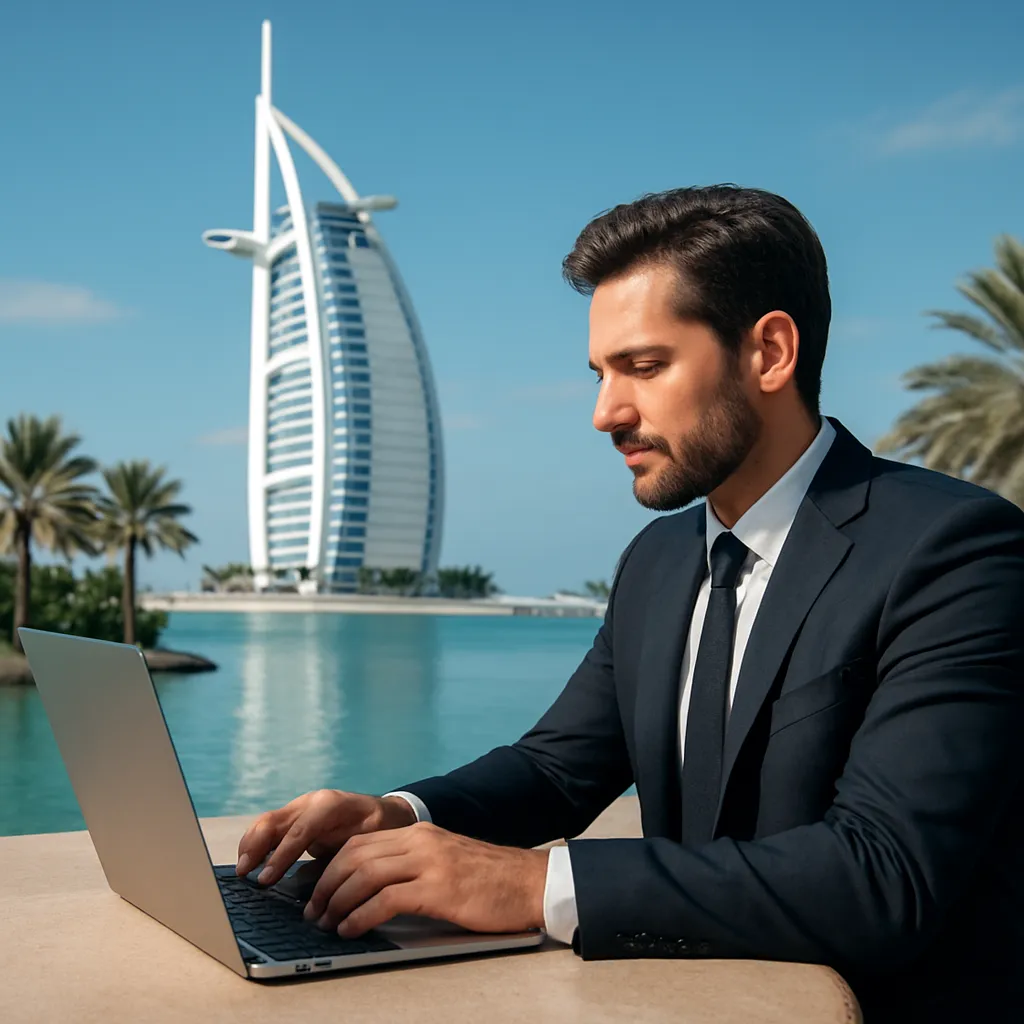
SEO for Luxury Tourism in Dubai
Luxury tourism in Dubai has become one of the most dynamic and competitive segments of the global travel market. With iconic skyscrapers, man‑made islands, world‑class shopping malls and ultra‑premium hotels, Dubai attracts affluent travelers from every continent. To reach this demanding audience, brands must master advanced SEO strategies tailored to high‑end hospitality, exclusive experiences and international search behavior. Below you will find a comprehensive overview of how to build an effective SEO strategy for luxury tourism in Dubai, from market context, through technical foundations, to content and link‑building tactics that really convert.
The global context of luxury tourism and Dubai’s unique position
Luxury tourism is one of the fastest‑growing niches in the travel industry. According to Allied Market Research, the global luxury travel market was valued at around 1.2 trillion USD in 2021 and is projected to reach over 2.3 trillion USD by 2031, with a CAGR of roughly 7–8%. Dubai is among the key drivers of this growth, positioning itself not only as a leisure destination but also as a hub for business, events and medical tourism.
Dubai’s Department of Economy and Tourism reported over 17 million international overnight visitors in 2023, surpassing pre‑pandemic records. A significant portion of them fall into the premium and high‑net‑worth segments. This translates into a fierce online competition between:
- 5‑star and 7‑star hotels and resorts
- private villa and penthouse rental agencies
- luxury desert safari operators
- private yacht and helicopter charter companies
- premium concierge and lifestyle management businesses
- high‑end restaurants, beach clubs and wellness centers
For all these brands, organic search is a crucial acquisition channel. Research from Google Travel Insights consistently shows that over 70% of travelers start their journey planning on a search engine, and over 50% of leisure travelers say they use search at every stage of planning. In the luxury segment, the path to purchase is longer and more complex: users often research dozens of pages, compare multiple destinations and look for inspiration in multiple languages before making a final booking.
What makes SEO for Dubai’s luxury tourism unique is the combination of factors such as extremely strong competition for a relatively limited set of high‑value keywords, heavy seasonality, multilingual audiences and the strong influence of mobile search. Optimizing only for generic, high‑volume terms like luxury hotels in Dubai is not enough; brands must build an entire ecosystem of targeted keywords, authoritative content and technical excellence to stand out in search results.
Key characteristics of SEO for luxury tourism in Dubai
To design an effective SEO strategy, it is essential to understand the behavioral patterns of affluent travelers, the specificity of Dubai as a destination and the way search engines interpret intent. Below are the most important elements that define this niche.
Affluent traveler behavior and search intent
Luxury travelers typically demonstrate:
- Higher information needs – before booking, they expect detailed descriptions of suites, amenities, services, safety, privacy, bespoke experiences and personalization options.
- Lower price sensitivity but high value sensitivity – they are willing to pay more, but they need to understand what makes an offer exclusive (private butler, VIP airport transfer, yacht access, Michelin‑starred dining, etc.).
- Stronger emphasis on reputation – user reviews, media coverage, awards and influencer content significantly affect purchase decisions, which has direct implications for SEO (E‑E‑A‑T: Experience, Expertise, Authoritativeness, Trustworthiness).
- More complex queries – affluent users often search using descriptive, longer phrases, e.g. “best private villa in Dubai with Burj Khalifa view,” “desert safari with private guide and champagne dinner,” “Dubai luxury wellness retreat with medical spa.”
For SEO, this means that focusing solely on broad keywords is not effective. You need a strategy that targets three key categories of intent:
- Luxury informational queries – “what is the best month to visit Dubai for luxury shopping,” “Dubai luxury travel guide,” “how to book a private yacht in Dubai Marina.”
- Commercial investigation – “best 5 star hotels in Dubai Marina,” “Dubai luxury family resort with kids club,” “private driver Dubai price.”
- Transactional – “book luxury hotel suite Dubai,” “reserve private desert tour Dubai,” “Dubai yacht rental online booking.”
By mapping your content to each type of intent, you can create a funnel that attracts users at the inspiration, comparison and booking stages, instead of relying only on generic transactional keywords.
Multilingual and multi‑regional SEO
Dubai’s luxury segment is truly international. The main source markets include the UK, Germany, France, Russia, Saudi Arabia, India and China, as well as high‑net‑worth individuals from Africa and North America. This diversity has several consequences for SEO:
- Users search in different languages (English, Arabic, Russian, French, German, etc.).
- Search behavior varies by region (for example, travelers from the Gulf may focus more on privacy and family‑friendly services, while Europeans may prioritize nightlife or beach access).
- Google is the dominant engine, but in certain segments Baidu and Yandex also matter, especially for brand visibility and reputation.
An effective SEO strategy should therefore include:
- separate language versions of key pages with proper hreflang tags
- culturally adapted content rather than direct translation (different USPs emphasized for different markets)
- location‑specific landing pages, e.g. “Dubai luxury holidays from London” or “Dubai luxury vacation from Riyadh,” including flight information, visa guidelines and seasonal tips
Neglecting multilingual SEO can result in losing a substantial part of organic demand, even if your English content ranks well.
Mobile, speed and Core Web Vitals
According to Statista, over 60–65% of all travel‑related searches globally are made on mobile devices, and in the Middle East the share of mobile can be even higher. Google’s data indicates that if a mobile page load time increases from 1 to 3 seconds, the probability of bounce increases by 32%. For luxury tourism, where first impressions and visual presentation are crucial, performance is especially important.
Key technical priorities include:
- optimizing large, high‑resolution images and videos without compromising quality
- implementing a modern image format such as WebP and advanced caching
- meeting Core Web Vitals thresholds (LCP, FID/INP, CLS)
- ensuring flawless mobile usability, with easy access to booking forms, maps and contact details
Fast, visually compelling pages are rewarded not only with better rankings but also with higher conversion rates, which is particularly noticeable in the premium segment where friction in the booking process quickly leads users to competitors.
Technical SEO foundations for luxury brands in Dubai
In a city where countless hotels and tour operators compete for the same keywords, technical SEO becomes a competitive differentiator. A well‑structured, easily crawlable and semantically rich website helps search engines understand that your brand is a top authority on high‑end travel in Dubai.
Information architecture and site structure
The website of a luxury hotel, DMC (Destination Management Company) or tour operator should be organized in a clear, hierarchical manner. For example:
- Home (overview of brand and key USPs)
- Accommodation / Suites / Villas (individual pages for each room type or property)
- Experiences (desert safaris, yacht cruises, helicopter tours, fine dining, shopping, wellness)
- Special packages (honeymoon, family, business, events, golf, medical)
- Destination guide (Dubai neighborhoods, attractions, culture, logistics)
- Events & MICE (meetings, incentives, conferences, exhibitions)
- Blog / Insights (inspirational and educational content)
Each of these sections should target a specific set of keywords, with internal links guiding users and crawlers to the most profitable pages (e.g. high‑margin suites or exclusive tours). Well‑planned internal linking passes link equity to crucial pages and helps Google understand topical clusters.
Structured data and rich results
Implementing structured data (schema.org) is essential in travel SEO, especially for luxury brands that want to stand out in search results with rich snippets. Areas worth marking up include:
- hotel, Resort or LocalBusiness schema for properties
- Product and Offer schema for room types, packages and tours
- Review and AggregateRating for user ratings and testimonials
- FAQ schema for frequently asked questions about visas, dress codes, alcohol regulations or tipping in Dubai
- Event schema for special galas, New Year’s Eve parties, concerts or seasonal happenings
Rich results (stars, prices, FAQs) increase CTR and signal to search engines that your site provides structured, trustworthy information. This synergizes with E‑E‑A‑T signals and can improve rankings in competitive SERPs.
Local SEO and map visibility
Many luxury travelers search for brands directly in Google Maps, especially when already in Dubai. Queries such as “fine dining restaurant near Burj Khalifa,” “luxury spa near Palm Jumeirah” or “5 star hotel near Dubai Mall” are highly transactional. To capture this demand, it is crucial to:
- fully optimize your Google Business Profile with accurate NAP data, descriptions, attributes and categories
- use high‑quality photos that reflect the premium character of the property
- collect and respond to reviews, especially from verified guests
- add products/services, such as “Presidential Suite,” “Private yacht charter,” “VIP airport transfer”
- maintain consistent location data across directories and travel portals (Tripadvisor, Booking.com, etc.)
Local SEO is not only about being found on a map; it is also a strong trust factor. Frequent, high‑quality reviews are one of the most important signals both for Google and for affluent guests choosing between several seemingly similar luxury options.
Content strategy and keyword targeting for high‑end audiences
In the luxury segment, content is not just a vehicle for keywords; it is an extension of the brand experience. The way you describe rooms, services and experiences must reflect exclusivity, but also provide concrete, useful information. Search engines evaluate depth, originality and user engagement, while guests evaluate credibility, inspiration and relevance to their needs.
Building keyword clusters around luxury themes
Instead of chasing only obvious phrases like “luxury hotel in Dubai,” effective SEO focuses on clusters of semantically related keywords. Representative clusters include:
- Luxury accommodation:
- “Dubai 5 star resort with private beach”
- “palm jumeirah luxury villas for rent”
- “presidential suite in Dubai with skyline view”
- Exclusive experiences:
- “private desert safari Dubai with dinner”
- “Dubai yacht charter with crew and chef”
- “helicopter tour over Palm Jumeirah and Burj Al Arab”
- Luxury lifestyle & shopping:
- “Dubai luxury shopping guide”
- “best designer boutiques in Dubai Mall”
- “personal shopper in Dubai for VIP clients”
- Wellness & medical tourism:
- “luxury wellness retreat Dubai”
- “Dubai medical spa anti aging treatments”
- Business and events:
- “Dubai luxury corporate retreat venue”
- “high end conference hotel near Dubai World Trade Centre”
Each cluster should be supported by a pillar page (comprehensive overview) and multiple supporting articles or landing pages that answer specific questions. Internal links between them strengthen topical authority in the eyes of search engines.
Creating destination and experience guides
Affluent travelers often search for inspiration and reassurance rather than basic information. Well‑crafted guides can attract early‑stage users and later convert them into bookings. Examples of content that works particularly well for Dubai luxury SEO include:
- “Ultimate Luxury Guide to Dubai: Where to Stay, Dine and Shop”
- “One‑Week Luxury Itinerary in Dubai: From Desert to Downtown”
- “Dubai for High‑End Shoppers: Malls, Boutiques and Tailor‑Made Experiences”
- “How to Plan a Luxury Family Holiday in Dubai”
- “Dubai Luxury Honeymoon: Romantic Experiences You Can’t Miss”
Such content should be optimized for long‑tail queries, enriched with internal links to booking pages and supported by strong visuals (professional photos, maps, short videos). Analytics data often shows that users who engage with comprehensive guides have significantly higher conversion rates, because they have already built trust in the brand’s expertise.
Leveraging user‑generated and expert content
Google’s E‑E‑A‑T framework favors content that demonstrates real experience and authority. Luxury brands in Dubai can strengthen their SEO by integrating:
- guest stories, case studies and testimonials, especially from recognizable personalities
- expert articles by chefs, spa directors, concierges or local culture specialists
- interviews with partners (yacht captains, desert guides, fashion stylists)
- detailed FAQs addressing typical concerns of first‑time visitors (dress code, Ramadan, alcohol policy, safety)
This type of content not only improves rankings but also reduces friction in the decision process. For example, a detailed article by a head concierge about “How Our Team Designs Tailor‑Made Luxury Experiences in Dubai” can rank for numerous long‑tail queries and simultaneously position the property as a trusted advisor, not just a seller of rooms.
Link‑building, PR and digital partnerships
Backlinks remain one of the strongest ranking factors, and in the luxury space they are tightly connected with PR and brand reputation. Dubai offers many opportunities to build high‑quality links that not only support SEO but also enhance overall brand perception.
Collaborations with luxury media and influencers
Premium travel magazines, lifestyle portals and influencers often produce content about Dubai’s top hotels and experiences. Strategic collaborations might include:
- press trips for journalists from leading outlets (Condé Nast Traveler, Robb Report, Harper’s Bazaar Arabia)
- co‑created guides or city experiences with influencers whose audience matches your target demographic
- guest posts or sponsored features on reputable travel and business portals
Backlinks from authoritative domains not only help rankings but also send strong trust signals to potential guests who research brands before booking. It is important that such collaborations are transparent, comply with local advertising laws and maintain editorial quality, since low‑quality sponsored content can damage both reputation and SEO performance.
Strategic partnerships within Dubai’s ecosystem
Luxury businesses can also earn organic links through local partnerships, for example with:
- shopping malls (Dubai Mall, Mall of the Emirates)
- airlines (Emirates, flydubai premium cabins)
- event organizers and conference venues
- local cultural institutions and museums
- premium car rental and chauffeur services
Joint offers, packages and co‑branded campaigns often result in mutual linking on partner websites and coverage in local media. This type of natural, contextually relevant backlink is highly valued by search engines and fits the organic profile desired in long‑term SEO strategies.
UX, conversion and analytics: bridging SEO with revenue
For luxury tourism, organic traffic volume is not the only metric that matters. What ultimately counts is the quality of that traffic and its contribution to direct bookings, ancillary sales and long‑term client value. Connecting SEO with user experience and analytics is therefore essential.
Premium UX and conversion paths
When visiting a luxury brand’s website, users expect:
- clean, elegant design consistent with offline branding
- intuitive navigation, with clear paths to “Suites,” “Offers,” “Experiences” and “Contact”
- quick, secure booking process with transparent pricing and flexible options
- easy communication channels (live chat, WhatsApp, concierge email, call buttons)
SEO can attract the right audience, but if booking forms are overly complicated or the site fails to display properly on mobile, high‑value users will drop out. Conducting regular CRO (Conversion Rate Optimization) tests, analyzing heatmaps and session recordings can indicate where affluent visitors encounter friction and what changes improve both UX and revenue.
Measuring the impact of SEO on luxury bookings
To understand the ROI of SEO efforts, analytics setup should go beyond basic page views and simple goals. Recommended practices include:
- tracking assisted conversions from organic search (many luxury bookings are finalized via phone or email after several website visits)
- segmenting traffic by language, country and device to see which markets respond best to specific content
- monitoring performance of key landing pages for premium products (e.g. penthouse suites, private tours) separately from generic pages
- linking CRM and analytics where possible, to evaluate lifetime value of guests acquired via organic channels
In many luxury hotels, data shows that organic search generates guests with higher average booking value and higher probability of repeat stays, compared to some paid channels. This justifies continuous investment in SEO and content, especially in a competitive destination like Dubai.
Future trends in SEO for luxury tourism in Dubai
The landscape of search and travel continues to evolve, and luxury tourism in Dubai is at the forefront of several important trends.
Voice search and conversational queries
With the spread of voice assistants and in‑car infotainment systems, more users are asking conversational questions such as “Where can I book a luxury spa day in Dubai tomorrow?” or “What is the best rooftop bar in Dubai Marina tonight?” To prepare for this, websites should:
- implement natural‑language, question‑based headings and FAQs
- use structured data to help search engines match spoken queries with relevant content
- optimize for local and “near me” phrases, especially for restaurants, bars and spas
Personalization and first‑party data
As third‑party cookies become less reliable, first‑party data (information that brands collect directly about their guests) becomes more valuable. Integrating SEO with personalization systems enables:
- tailored content recommendations based on previous browsing or stay history
- dynamic offers, for example showing family packages to users who read about kids’ clubs and activities
- personalized follow‑up emails or remarketing campaigns for visitors who abandoned premium suite pages
Search engines reward signals of user satisfaction, such as long sessions and low bounce rates. Personalized experiences that keep affluent users engaged can therefore indirectly improve rankings.
Sustainability and responsible luxury
Even in the high‑end segment, interest in sustainable and responsible travel is growing. Many guests now search for terms such as “eco friendly luxury hotel in Dubai” or “sustainable desert safari.” Luxury brands can respond by:
- creating content about their sustainability initiatives and certifications
- highlighting partnerships with local communities and environmental projects
- offering carbon‑offset options and transparent reporting of resource use
Such content not only meets emerging demand but also differentiates the brand and can attract high‑quality backlinks from sustainability and CSR‑oriented media, further strengthening SEO.
Summary
SEO for luxury tourism in Dubai is a complex, multi‑layered process that goes far beyond basic keyword optimization. It requires deep understanding of affluent traveler behavior, precise technical implementation, sophisticated content strategy and continuous collaboration between marketing, revenue management, concierge teams and external partners. Brands that treat organic visibility as a strategic investment, not a one‑time project, are able to consistently attract high‑value guests, reduce dependence on intermediaries and build a resilient, globally recognized presence in one of the world’s most competitive tourism markets.