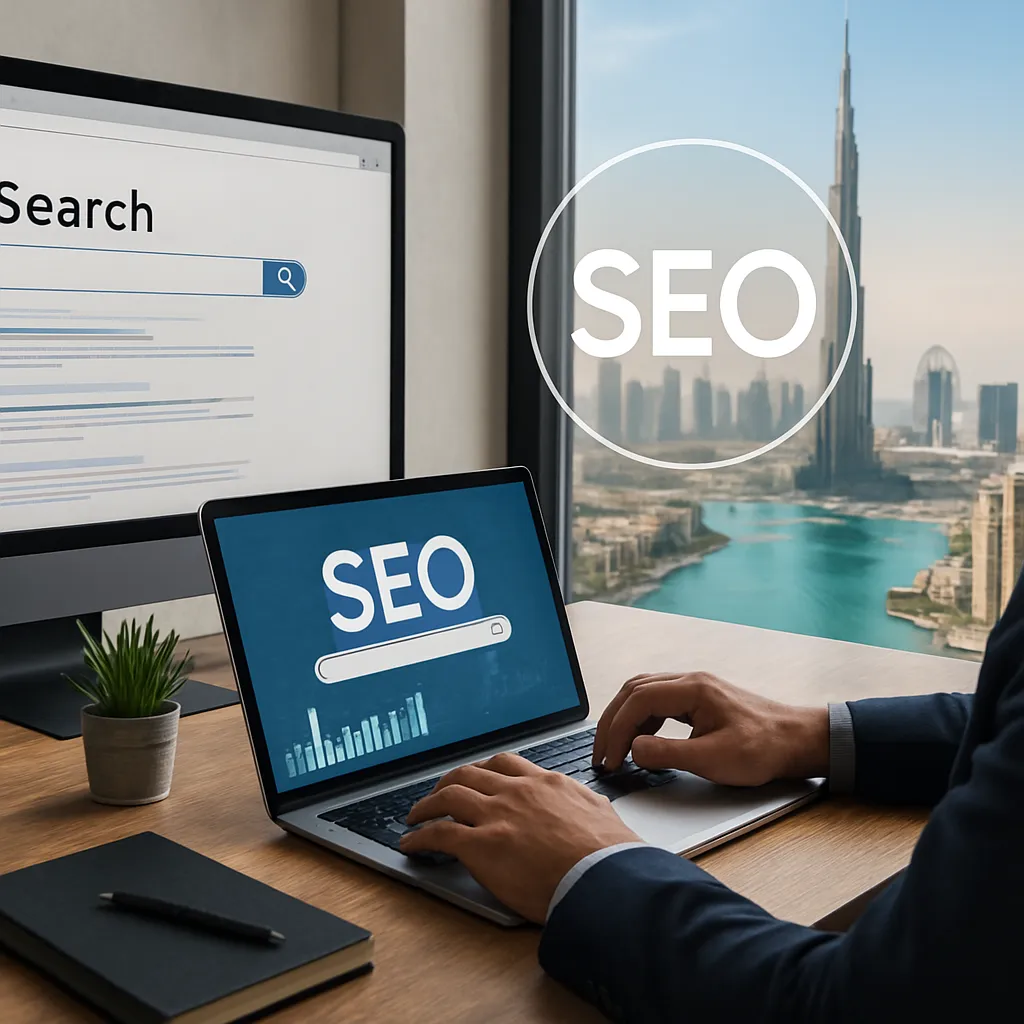
SEO for Dubai Entertainment and Leisure Businesses
Tourism in Dubai is booming, and so is competition among entertainment and leisure businesses. Theme parks, desert safari operators, yacht charters, indoor attractions, gaming lounges, beach clubs and live shows are all fighting for visibility in search results. Strategic SEO is no longer an optional add-on: it is a primary driver of bookings, brand awareness and long‑term profitability in one of the world’s most dynamic leisure markets. Well‑executed search optimisation connects your offers with high‑intent tourists and residents exactly when they are planning what to do in Dubai.
Specifics of SEO for Dubai’s Entertainment and Leisure Market
Dubai’s leisure sector has several unique characteristics that should directly shape your SEO strategy. Ignoring them means competing blindly against global brands and OTAs (Online Travel Agencies) with far larger budgets.
Tourist intent, high competition and mobile dominance
Dubai welcomed over 17 million international overnight visitors in 2023 according to Dubai’s Department of Economy and Tourism, putting the city among the top global destinations. A significant portion of these visitors search online before and during their stay. Research from Google and industry reports consistently shows that a majority of travellers (often quoted around 70–80%) begin trip planning on search engines, and more than half complete important bookings on mobile.
For entertainment and leisure businesses, this means:
- Search queries are heavily intent‑driven, e.g. “best water park in Dubai”, “Dubai desert safari tonight”, “indoor activities Dubai for kids”.
- Users often search “near me” while already in the city, relying on Google Maps and local packs to make last‑minute decisions.
- International visitors combine location and language, for example “Dubai yacht charter Russian speaking crew” or “Dubai theme park tickets Hindi”.
In many leisure segments, multinational OTAs (Booking.com, Viator, GetYourGuide, Trip.com) and large hotel brands dominate the top organic positions. To compete, local businesses must be more precise, faster and more relevant with their **SEO** and overall digital strategy, rather than trying to outrun these platforms on every generic keyword.
Seasonality, events and cultural context
Dubai’s visitor flows vary by season, major events and religious calendar. Winter months, large trade fairs, sports events and shopping festivals generate huge spikes in search interest for entertainment. At the same time, Ramadan and public holidays change operating hours and user expectations.
Effective SEO takes these patterns into account:
- Creating and updating landing pages tailored to big events such as Expo‑related activities, New Year’s Eve fireworks cruises or international concerts.
- Highlighting family‑friendly, indoor or evening entertainment options during hotter months when outdoor activities are less attractive.
- Communicating schedule changes, cultural etiquette and special offers during Ramadan and Eid to build trust and reduce booking friction.
Search behaviour is also strongly influenced by Dubai’s multicultural population. With over 80% expatriates from South Asia, the Middle East, Europe and beyond, multi‑language content and region‑specific keyword research can dramatically widen your organic reach.
Core SEO Foundations for Entertainment and Leisure Brands
Before exploring advanced strategies, entertainment providers need a robust technical and content foundation. Without this, advertising spend gets wasted, and even the best offers struggle to rank.
Technical performance and mobile experience
For most leisure businesses in Dubai, more than half of site traffic now comes from mobile devices. Google’s mobile‑first indexing means your mobile site is effectively the primary version. Slow loading pages, broken layouts or complex booking flows on phones translate directly into lost revenue.
Key elements to optimise include:
- Page speed: Aim for loading times under 3 seconds on 4G connections. Compress images, use next‑gen formats like WebP, implement caching and minimise unnecessary scripts. Attractions with lots of high‑resolution photos or 360° tours must balance visual quality with performance.
- Responsive design: Pages should adapt cleanly to common smartphone screen sizes used by tourists (including older devices). Navigation buttons must be large enough for touch, booking forms simple and error‑free.
- Secure and stable hosting: An SSL certificate is essential (HTTPS), and hosting should be located or cached close to the UAE to reduce latency. Downtime during peak evening booking hours can be extremely costly.
According to Google’s research, even a 1‑second delay in mobile load time can significantly reduce conversions. In a leisure context, where users are often comparing multiple options quickly, speed becomes a competitive advantage, not just a technical metric.
On‑page optimisation and structured content
On‑page SEO for entertainment businesses in Dubai focuses on turning each page into a clear, location‑specific answer to a user’s query. This is more than just adding keywords; it is about structuring information in a way that search engines and humans can both understand.
- Title tags and meta descriptions: Incorporate attraction type, location, a key unique selling point and sometimes a strong call to action. Example: “Dubai Desert Safari with BBQ Dinner | Premium 4×4 Experience” or “Indoor Trampoline Park Dubai Marina – Safe Fun for Kids & Families”.
- Headings and content: Use H2 and H3 tags for sections like “Ticket Prices”, “Opening Hours”, “Location & Directions”, “What to Expect”. This makes it easier for Google to extract featured snippets and quick answers.
- Media and alt text: Photographs and short videos are vital for leisure marketing. Use descriptive alt text like “Dubai sunset yacht cruise with skyline view” that supports accessibility and image search.
Structured data (Schema.org) is particularly powerful in this sector:
- Use “LocalBusiness”, “TouristAttraction”, “Event” or “Product” schema to mark up address, geo‑coordinates, prices, dates, reviews and FAQs.
- Rich results such as star ratings, FAQs and event times in the SERPs increase click‑through rate and can offset lower organic position.
Keyword strategy aligned with the customer journey
Tourists and residents move through distinct search stages when planning entertainment: inspiration, comparison and booking. Your keyword strategy should reflect all three.
- Inspiration: Broad and informational queries like “things to do in Dubai with kids”, “best indoor activities in Dubai summer”, “Dubai entertainment for couples”. Content here can be guides, lists and blog posts that position your brand as an expert source.
- Comparison: More specific queries such as “Dubai water park vs theme park”, “Dubai desert safari reviews”, “yacht rental Dubai price”. Create comparison content, FAQs and transparent pricing information.
- Booking intent: High‑value queries like “book Dubai desert safari tonight”, “Dubai Marina yacht charter 2 hours price”, “escape room Dubai JLT tickets”. For these, landing pages must be laser‑focused on conversion with clear CTAs, live availability and trust signals.
Long‑tail queries often convert better and are less competitive than broad terms. Rather than trying to rank for “Dubai entertainment” alone, it is smarter to build clusters like “VR arcade Dubai Mall”, “private dhow cruise Dubai Creek dinner”, or “karaoke room Dubai Deira”.
Local SEO and Map Visibility for Dubai Attractions
Local SEO is essential for leisure businesses that rely on walk‑ins, proximity searches and last‑minute decisions. In a city where many visitors navigate almost exclusively via Google Maps and ride‑hailing apps, appearing prominently in the local pack can be more valuable than a standard organic ranking.
Optimising Google Business Profile for maximum impact
A complete and well‑maintained Google Business Profile (GBP) is non‑negotiable:
- Ensure your business name, address and phone number are accurate and consistent with your website and other listings (NAP consistency).
- Choose the correct primary and secondary categories, e.g. “Tourist attraction”, “Theme park”, “Boat tour agency”, “Escape room center”, “Amusement center”. This significantly influences which search queries trigger your listing.
- Add high‑quality photos and short videos of your facilities, staff, views and experiences. Visual content strongly affects engagement for entertainment brands.
- Update opening hours during Ramadan, public holidays, special events and maintenance closures.
Google Posts can promote time‑sensitive offers such as weekend discounts, seasonal packages or collaborations with hotels. Answering Q&A on your profile helps address common concerns and can also surface directly in search results.
Review management and social proof
Reviews play a disproportionate role in the choice of leisure activities, especially for tourists who have limited local knowledge and limited time. Surveys across travel and hospitality indicate that well over 80% of travellers read multiple reviews before making a booking.
To leverage reviews for SEO and conversion:
- Proactively encourage satisfied guests to leave feedback on Google, TripAdvisor and major OTAs. Simple follow‑up emails or QR codes at the venue can increase response rates.
- Respond to reviews, both positive and negative, with personalised and professional replies. Google values active engagement and potential guests pay close attention to how businesses handle criticism.
- Integrate review snippets, testimonials and rating badges on your website, especially on key landing and booking pages.
Review content itself can include valuable natural language about your services, which helps Google understand your relevance for certain queries (for example “amazing kids’ birthday party venue in Dubai” or “best dhow cruise for vegetarian food”).
Citations, local links and partnerships
Local SEO also depends on signals from other sites that confirm your existence, location and speciality. For Dubai entertainment brands, strong local citations and partnerships send powerful relevance signals.
- Ensure accurate listings on major regional platforms such as Visit Dubai, local directories, event listings and tourism portals.
- Collaborate with hotels, concierge services, travel bloggers, lifestyle magazines and influencers to earn mentions and links. Articles such as “Top 10 weekend activities in Dubai” or “Best birthday party venues in Dubai for kids” are valuable both for visibility and SEO.
- Sponsor or host local community events, competitions or charity activities, and seek coverage from news sites or local blogs. These links often carry strong local authority.
Consistent NAP information across all these citations reduces confusion for search engines and strengthens your local rankings over time.
Content and Experience Marketing for Dubai Leisure Brands
Content marketing is where entertainment businesses can truly differentiate themselves. Instead of simply listing opening times and prices, you can tell stories, showcase unique experiences and answer the questions people are actually asking when planning their leisure time in Dubai.
Experience‑driven content that answers real questions
Most tourists and many residents are overwhelmed by choices. They want to know not just what an attraction is, but whether it suits their group, budget and schedule.
Useful content types include:
- Complete experience guides: Explain exactly what happens from arrival to departure, what to bring, what to wear, and how long everything takes. For example, “What to Expect on a Dubai Desert Safari: Full Guide from Hotel Pickup to Drop‑off”.
- Audience‑specific pages: Content tailored for families with small children, teenagers, couples, corporate groups or school trips. Each group has different questions and search terms.
- Comparison and planning articles: “Dubai Desert Safari vs Dune Buggy Tour – Which is Best for You?”, “Morning vs Evening Yacht Cruise in Dubai Marina”, “Outdoor vs Indoor Birthday Party Venues in Dubai”.
- Safety and accessibility information: Especially important for adventure activities, water parks, VR arenas and venues handling large crowds. Clear information on safety measures, age restrictions and accessibility can improve both SEO and conversion.
These pieces not only target long‑tail keywords but also reduce objections and customer support load, making the overall marketing funnel more efficient.
Multilingual and geo‑targeted content
Dubai’s visitor base is truly global. Offering content only in English limits your reach, especially among high‑spending tourists who prefer researching in their native language.
Strategies include:
- Creating separate language sections or subfolders on your site for Arabic, Russian, German, French, Chinese or other priority languages, depending on your typical audience mix.
- Conducting keyword research in each language instead of directly translating English terms. For instance, Russian or Arabic‑speaking users may use different phrases to describe yacht rentals or theme parks.
- Using hreflang tags correctly so that Google serves the right language version to users based on location and language preferences.
Well‑implemented multilingual SEO not only increases organic traffic but also reduces confusion at the booking stage, resulting in fewer cancellations or misunderstandings.
Visual and interactive content for engagement
Leisure activities are inherently visual, making them ideal for rich media that supports both SEO and social media marketing. While Google’s algorithms are text‑centric, video and image elements significantly influence user behaviour.
- Short highlight videos (30–90 seconds) embedded on key pages can increase time on site and conversion, especially for activities with strong visual appeal like views from observation decks, fireworks cruises, zip lines or water parks.
- Interactive elements such as 360° tours, virtual walkthroughs or simple quizzes (“Which Dubai activity is right for your family?”) encourage sharing and repeat visits.
- Optimised image galleries with descriptive file names and alt text help capture traffic from Google Images, which many users browse when exploring destinations.
Cross‑posting this visual content on platforms like YouTube, Instagram and TikTok, with links or brand mentions, can indirectly support SEO through brand searches and referral traffic.
Conversion‑Focused SEO: Turning Traffic into Bookings
Ranking well without converting visitors into paying customers is pointless. For entertainment and leisure businesses, SEO must be tied tightly to CRO (Conversion Rate Optimisation) and analytics to ensure every visit has a clear path to purchase.
Optimised booking flows and user journeys
Users arriving from search results often land on specific tour or attraction pages, not the homepage. These landing pages must be designed as complete mini‑funnels:
- Clear, above‑the‑fold benefits and visual proof (hero image or video, brief bullet points, starting price).
- Prominent “Book Now” or “Check Availability” buttons that are easy to tap on mobile.
- Concise but comprehensive details below: inclusions, exclusions, schedule, meeting points, age limits, cancellation policy.
- Visible trust signals such as review scores, badges from tourism authorities, payment security icons and real‑world partner logos.
A/B testing different versions of page layouts, headlines and imagery can reveal which elements most influence bookings. Data from these tests should guide ongoing SEO and design decisions.
Aligning SEO with paid search and remarketing
In a high‑competition market like Dubai, organic SEO rarely operates in isolation. Paid search (Google Ads) and remarketing campaigns work best when coordinated with organic efforts.
- Use high‑performing PPC keywords to discover organic search opportunities and content gaps. If a paid term converts well, consider building richer organic content around it.
- Target expensive or highly competitive phrases with combined organic and paid presence to dominate above‑the‑fold space, especially during peak seasons.
- Deploy remarketing ads to visitors who viewed high‑value pages but did not book, reminding them of your brand and offers while they continue browsing.
This integrated approach makes your overall search marketing more resilient, particularly when algorithm updates temporarily shift organic positions.
Measurement, analytics and continuous improvement
Effective SEO for leisure brands is an ongoing process, not a one‑time setup. Regular analysis is essential to understand which activities, markets and content types deliver the highest return.
- Set up comprehensive analytics, including goal tracking for bookings, contact form submissions, phone calls and WhatsApp clicks.
- Segment traffic by device, location, language and acquisition channel to identify patterns and opportunities (for example, strong mobile interest from a particular country that might merit language‑specific content).
- Monitor rankings and click‑through rates for key pages via tools like Google Search Console, focusing on queries with high impressions but low CTR as quick‑win opportunities.
Because search trends evolve with new attractions, viral experiences and regional events, periodic keyword research (at least quarterly) helps keep your content and pages aligned with what people are actually searching for right now.
Future Trends and Strategic Considerations
Search behaviour and technology continue to change rapidly. Making SEO decisions with a long‑term view can protect Dubai leisure businesses from over‑reliance on any single channel or tactic.
Voice search, AI assistants and conversational queries
As more travellers use voice assistants and AI‑driven tools on their phones or hotel devices, queries become longer and more conversational, such as “What’s a good indoor activity in Dubai for a rainy day near Business Bay?” or “Find a kid‑friendly water park with slides but not too crowded tomorrow morning.”
To prepare for this shift:
- Write FAQ content in natural, question‑and‑answer format that mirrors how people speak.
- Focus on local modifiers (areas, neighbourhoods, landmarks) and attributes (family‑friendly, luxury, budget, romantic, indoor, outdoor).
- Ensure your business data (hours, pricing, address, categories) is accurate across structured formats that voice systems rely on.
Sustainability, inclusivity and niche positioning
Global tourism trends show growing interest in sustainable, inclusive and experience‑rich activities. Dubai leisure businesses that authentically integrate and communicate these values can capture new demand.
- Highlight eco‑friendly practices, community involvement and cultural authenticity where relevant. Dedicated pages and blog posts about these initiatives can attract targeted search traffic.
- Emphasise accessibility, inclusive facilities and tailored experiences for diverse audiences, from differently abled visitors to specific cultural or dietary needs.
- Develop niche experiences that differentiate you from generic offerings: specialty themed nights, educational tours, art‑focused entertainment or wellness‑oriented leisure. Each niche can form its own cluster of long‑tail keywords.
Building a clearly defined niche helps smaller entertainment businesses stand out from large multi‑attraction complexes and international chains that often compete on scale rather than uniqueness.
Summary: Building Sustainable SEO Advantage in Dubai Leisure
For Dubai’s entertainment and leisure businesses, SEO is the bridge between exciting experiences and the audiences who are actively searching for them. By combining strong technical foundations, precise **local** optimisation, experience‑driven content and conversion‑focused design, attractions and activity providers can establish a sustainable flow of organic visitors and bookings.
A strategic approach respects the city’s unique dynamics: high tourist turnover, multicultural audiences, strong competition from global OTAs and rapidly changing seasonal patterns. Businesses that invest consistently in understanding user intent, measuring performance and refining their **online** presence will be best positioned to thrive as Dubai’s leisure landscape continues to expand and diversify, regardless of algorithm updates or advertising cost fluctuations.