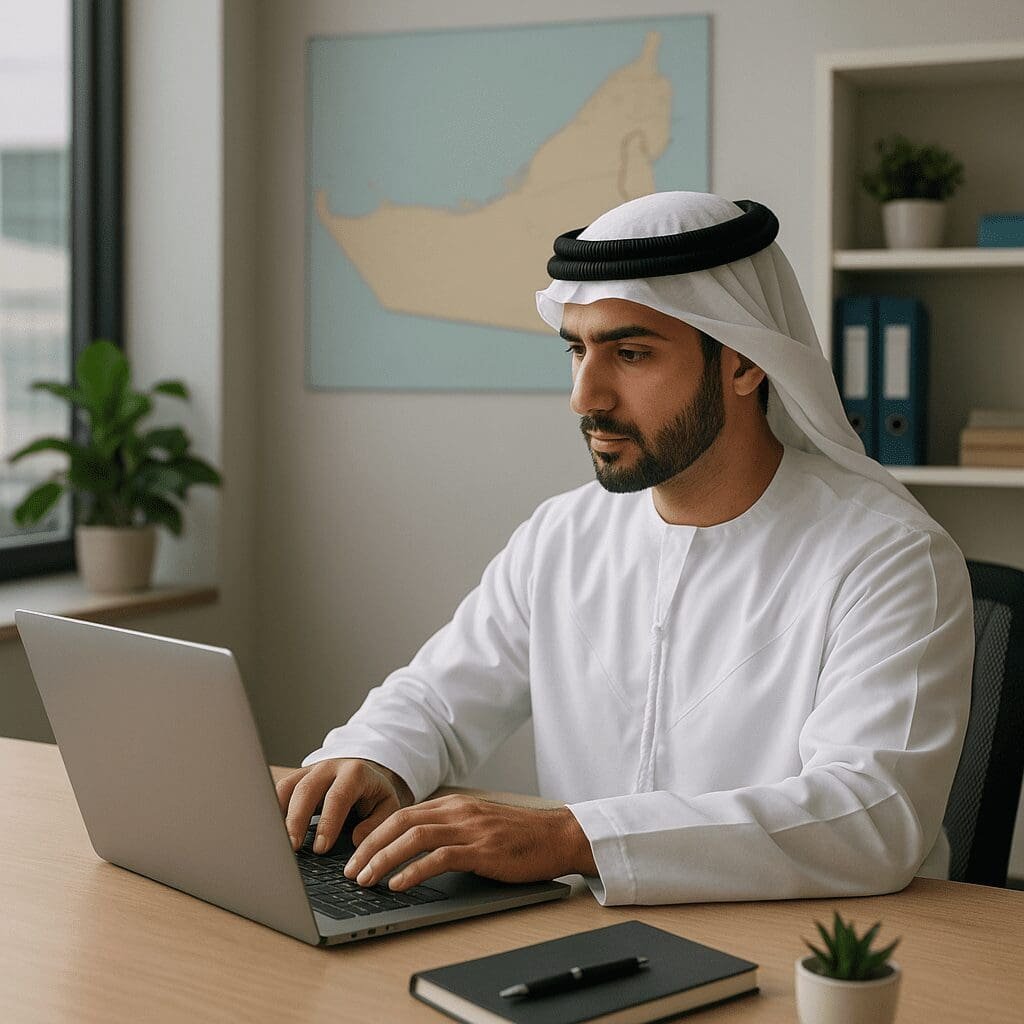
How to Localize Content for Dubai and the UAE
Localizing content for Dubai and the wider UAE means more than translating a website: it’s about orchestrating language, design, distribution, laws, and buying behaviors across one of the world’s most connected and diverse markets. With internet penetration close to 99% and mobile connections exceeding the population by more than two to one, digital engagement is deeply woven into daily routines. Add to that a city like Dubai where roughly nine in ten residents are expatriates, and you get a uniquely bilingual landscape where Arabic-speaking Emiratis and Gulf visitors sit alongside South Asian, European, and other global communities who predominantly browse in English. This article distills what matters most—from language and UX to search, social, payments, and regulations—so your UAE strategy moves beyond translation into true localization.
Market snapshot: why the UAE demands a local-first approach
Several data points make the case for a tailored approach:
- Digital reach: UAE internet penetration is around 99% (DataReportal, 2024). Social media usage ranks among the highest globally, with effective penetration often exceeding 100% because many users hold multiple accounts.
- Mobile primacy: SIM penetration regularly surpasses 190% of the population (TDRA updates), and time spent on phones for social, messaging, and shopping remains dominant. If your funnel is not designed for handheld, you are ignoring the primary screen.
- Population mix: Around 88–90% of residents are expatriates, creating a dual-lane content reality: one that respects Emirati heritage and Arabic language norms while acknowledging English as a business lingua franca.
- Commerce momentum: UAE online retail is estimated to be in the low tens of billions of USD annually and growing at double-digit rates, buoyed by high incomes, logistics efficiency, and payment innovation.
- Event-driven spikes: Seasonal peaks around Ramadan/Eid, Dubai Shopping Festival, GITEX Global, and Back-to-School materially shift ad costs and conversion patterns.
Success in this environment means not choosing between Arabic and English, but orchestrating both with sensitivity to context, channel, and audience.
Language and tone: bilingual by design
Arabic that reads local
- Dialects vs MSA: Use Modern Standard Arabic for interfaces, legal copy, and brand statements, then layer “Gulf-fluent” phrasing in marketing assets where appropriate. Avoid translating idioms literally; transcreate for resonance.
- Right-to-left (RTL): Design the entire Arabic experience RTL—navigation, layouts, progress bars, and icons that imply directionality. Mirrored UI improves comprehension and reduces cognitive load.
- Numerals and dates: Decide whether to use Arabic-Indic numerals (١٢٣) in Arabic experiences. For seasonal content, consider dual calendars where relevant (Gregorian and Hijri), especially around religious observances.
- Formality: Use respectful second-person forms and polite operators. Calls to action often perform better when using direct imperatives softened with courtesy.
English that respects the market
- Global yet local: Keep global brand voice, but reflect local references: Dubai neighborhoods, malls, and events. Consider Gulf spellings and conventions when helpful (e.g., AED currency, weekend rhythm).
- Bilingual consistency: Maintain a master glossary across Arabic and English brand terms. Align claims, benefits, and disclaimers verbatim across languages.
- Customer service: Staff bilingual chat and phone support. Response speed and empathy matter more than eloquence; rapid resolution builds retention.
Design and UX: frictionless for RTL and the small screen
- Typography: Choose Arabic-friendly fonts tested for legibility at small sizes (e.g., Dubai Font, GE SS family) and ensure your brand font has an Arabic companion.
- Grid systems: Build separate RTL and LTR layouts. Don’t just mirror CSS; validate spacing, iconography, and reading flow with native users.
- Media: Provide Arabic subtitles or voiceovers in video. Keep on-screen text sparse to accommodate text expansion in Arabic.
- Location details: Dubai employs “Makani” building numbers and widely used map pins; include precise location aids on contact pages and ads, not just a PO Box.
- Speed: Image compression, adaptive streaming, and a regional CDN are essential. Host close to the UAE (local cloud regions from leading providers exist) to reduce latency.
Remember that the UAE audience is heavily mobile. Thumb-friendly tap targets, one-handed forms, and wallet integrations are not optional optimizations; they are the baseline.
Search and discovery: technical excellence meets cultural fit
International SEO essentials
- Domains and targeting: Use .ae for local credibility or set geotargeting for UAE in Search Console. Keep separate language folders (e.g., /ar/ and /en/).
- Hreflang: Implement en-AE and ar-AE tags precisely. Test with Search Console’s International Targeting to avoid language cannibalization.
- Arabic URLs: Consider Arabic slugs for Arabic pages if your stack handles UTF-8 safely. If not, keep clean transliteration and ensure consistency.
- Structured data: Add LocalBusiness, Product, and FAQ schema in both language versions. Ensure offer, price, and availability are synchronized.
Keyword research that reflects behavior
- Language toggling: Many residents search in English even when they speak Arabic. Build parallel keyword sets; do not assume English volume equals disinterest in Arabic content.
- Transliteration and brand names: Track brand and product queries in Arabic, English, and mixed transliterations (e.g., romanized Arabic). Redirect or canonicalize appropriately.
- Seasonality: Ramadan queries for gifting, food delivery, fashion modestwear, and charitable giving rise sharply. Prepare content months in advance to earn authority and freshness.
Technical SEO wins won’t carry you without relevance: the copy must answer tasks the way people ask them in UAE contexts—neighborhood references, delivery promises, and local payment options.
Social media, creators, and community
- Platform mix: Instagram, TikTok, YouTube, Snapchat, and WhatsApp dominate attention. LinkedIn is powerful for B2B. Post short-form video daily during peaks; lean into Stories/Reels/TikTok for discovery.
- Influencers: Paid creator activity requires an appropriate license in the UAE. Work with agencies or creators who hold valid permits and know platform disclosure rules.
- Content norms: Depict cultural modesty and diversity. Avoid political commentary and sensitive symbolism. For food and fashion, consider modestwear and halal cues.
- Community management: WhatsApp Business supports rich catalogs and templated notifications. Respect opt-in rules and timing, especially on Fridays and religious holidays.
Campaign calendar: plan for peaks and copy that converts
- Religious seasons: Ramadan is both spiritual and social. Craft helpful content—iftar/suhoor guides, charitable initiatives, flexible delivery windows around sunset. Many advertisers observe CPM/CPC inflation of 20–40% during this period.
- Retail festivals: Dubai Shopping Festival (Dec–Jan), Dubai Summer Surprises, Back-to-School, GITEX Global, and the Abu Dhabi Grand Prix drive spikes. Align messaging to mall activations and bank card offers.
- Weekend rhythm: Since 2022, the de facto weekend is Saturday–Sunday. Shift newsletter drops, promotions, and B2B cadences accordingly. Consider Friday prayer timing for message windows.
E-commerce and payments: convenience, confidence, and speed
- Payment stack: Cards, Apple Pay/Google Pay, and rapidly growing BNPL options are must-haves. Cash-on-delivery has declined versus pre-2020 norms but still exists in certain categories.
- BNPL adoption: Fintech providers are widely used across fashion, electronics, and lifestyle; share of checkouts can reach the low-to-mid teens for some merchants.
- Delivery standards: Same-day or next-day in Dubai is common; narrow delivery slots increase conversion. Offer easy returns with doorstep pickup when possible.
- Marketplaces: Listings on Amazon.ae and noon can accelerate reach. Keep content consistent with your DTC site and localize bullet points, not just titles.
Call out all fees upfront, in AED, and include VAT in displayed prices. The fastest way to lose a cart is a surprise fee at the last step in the e-commerce funnel.
Legal, privacy, and advertising compliance
The UAE is pro-innovation and also proactive about consumer protection. Your operating model should build in compliance from day one.
- Data protection: The UAE’s federal PDPL and free-zone frameworks (e.g., DIFC) set rules for consent, cross-border transfers, and data subject rights. Maintain clear consent logs and preference centers.
- Influencer licensing: Paid promotions from creators typically require a license. Contracts should include disclosure obligations and content review for regulatory conformity.
- Messaging rules: Bulk SMS and sender IDs must be registered with carriers per TDRA guidelines. Honor opt-outs promptly. For WhatsApp, use approved templates for notifications.
- Advertising standards: Avoid sensitive categories (political, certain health claims) and ensure any comparative claims have substantiation. Alcohol-related promotions are tightly regulated; seek legal counsel where applicable.
- VAT and pricing: Display VAT-inclusive pricing and clarify return/refund policies aligned with federal consumer protection laws.
Local signals that build trust and relevance
- Addresses that work: Add precise map pins, Makani numbers (Dubai), neighborhood names, and parking notes.
- Local reviews: Showcase Google ratings and region-specific testimonials. Encourage bilingual reviews where possible.
- Service promises: Highlight delivery cutoffs, WhatsApp support hours, and cashless options. Trust indicators (PCI, bank partners, warranty) reduce friction.
- Image choices: Feature inclusive casts—Emirati attire where appropriate, plus the expatriate diversity that defines Dubai. Authenticity nurtures trust.
Measurement and experimentation
- Segment by language and emirate: Separate dashboards for ar-AE vs en-AE traffic, and for Dubai vs Abu Dhabi vs Northern Emirates, uncover hidden lift.
- Attribution nuance: Footfall jumps from mall activations can dwarf typical online baselines; combine POS, coupon, and geo-lift studies for triangulation.
- Experiment cadence: A/B test copy in both languages; test Arabic-Indic numerals, Hijri date references during religious seasons, and wallet-first checkouts.
- Customer research: Conduct bilingual UX studies. One-on-one sessions with Emirati nationals and long-term residents surface different expectations.
B2B localization: free zones, enterprise buyers, and ABM
- Context cues: Reference free zones like DIFC, DMCC, and Dubai Internet City when relevant. Case studies tied to these hubs feel anchored and credible.
- Procurement expectations: Provide bilingual spec sheets, stamped quotations in AED, and clear SLA terms. Local references and partnership logos carry outsized weight.
- Channels: LinkedIn and YouTube thought leadership perform well. Host breakfast briefings or webinars timed to the Saturday–Sunday weekend structure.
Transcreation workflow: people, process, and quality
- Team: Pair native Arabic writers with subject-matter marketers. Editors should understand both grammar and brand voice.
- Glossaries and TMs: Maintain a living glossary and translation memory. Lock regulated terms (medical, financial) to prevent drift.
- RTL QA: Test on real devices, not just browser mirrors. Validate forms, alignment, and truncation in Arabic.
- Content ops: Create seasonal playbooks for Ramadan/Eid and retail festivals. Pre-approve offers, imagery, and disclaimers to move fast during peaks.
Security and performance foundations
- Hosting: Use regional cloud regions or nearby PoPs for latency. Plan for traffic surges with auto-scaling around tentpole events.
- Security: Enforce MFA, WAF, bot mitigation, and PCI compliance for checkouts. SMS OTP should comply with carrier rules to avoid deliverability issues.
- Accessibility: Provide ARIA labels in both languages, adequate contrast for Arabic fonts, and captioning for all key videos.
Creative that resonates: imagery, audio, and storytelling
- Story arcs: Community, hospitality, aspiration, and innovation are powerful themes. Position your brand as a contributor to the city’s progress.
- Sound and voice: Consider Arabic voiceovers for mass-market assets and bilingual captions for performance videos consumed on mute.
- Retail creative: In-mall DOOH, geo-fenced mobile ads, and creator-led product demos build a closed loop from discovery to purchase.
Common pitfalls to avoid
- Literal translation: Word-for-word copy in Arabic undermines clarity and brand warmth. Transcreate headlines and CTAs.
- Partial RTL: An Arabic page with LTR components breaks reading flow and signals low effort.
- Generic pricing: Showing USD or hiding VAT erodes confidence. Lead with AED-inclusive prices.
- Ignoring delivery reality: Overpromising shipping to remote areas creates support strain and bad reviews.
- Underestimating approvals: Influencer licenses, SMS sender IDs, and campaign permits take time—plan lead times.
Quick-start checklist for UAE content localization
- Define audience splits: Emirati, GCC visitors, South Asian expats, Western expats—map language and channel preferences.
- Build bilingual IA: Separate /ar/ and /en/ with hreflang and mirrored navigation.
- Design two UI systems: RTL and LTR with tested Arabic fonts and mirrored icons.
- Stand up payments: Cards, wallets, BNPL, COD (if needed), with clear AED pricing.
- Optimize for events: Ramadan/Eid, DSF, Summer Surprises—content, offers, staffing.
- Secure compliance: Data protection, influencer licensing, SMS registration, ad disclosures.
- Fine-tune local signals: Map pins, Makani, bilingual reviews, WhatsApp support.
- Measure intelligently: Split analytics by language/emirate; test numerals, dates, and CTAs.
Future trends: where UAE localization is heading
- Conversational commerce: Arabic-capable chatbots and human-handoff workflows on WhatsApp and site chat will shape the next wave of conversion optimization.
- Personalization: Privacy-safe, on-site personalization by language and emirate will outperform broad segmentation. Contextual ads will fill targeting gaps.
- Live shopping: Creator-hosted live streams with instant checkout are gaining traction in fashion and beauty, particularly during seasonal peaks.
- Sustainability cues: Transparent sourcing, local fulfillment, and eco-packaging claims resonate with younger UAE consumers when substantiated.
Bringing it all together
To localize for Dubai and the UAE, treat language as the start, not the finish. Build experiences that honor culture, accelerate load times on the screens people use most, abide by local rules, and meet buyers where they discover and decide—search, social, malls, and messaging. Use data to iterate: bilingual heatmaps, language-specific funnel analysis, and seasonal playbooks. And infuse brand actions with purpose—community, service, and innovation. That is how content becomes connection, and connection becomes growth in one of the world’s most dynamic markets.