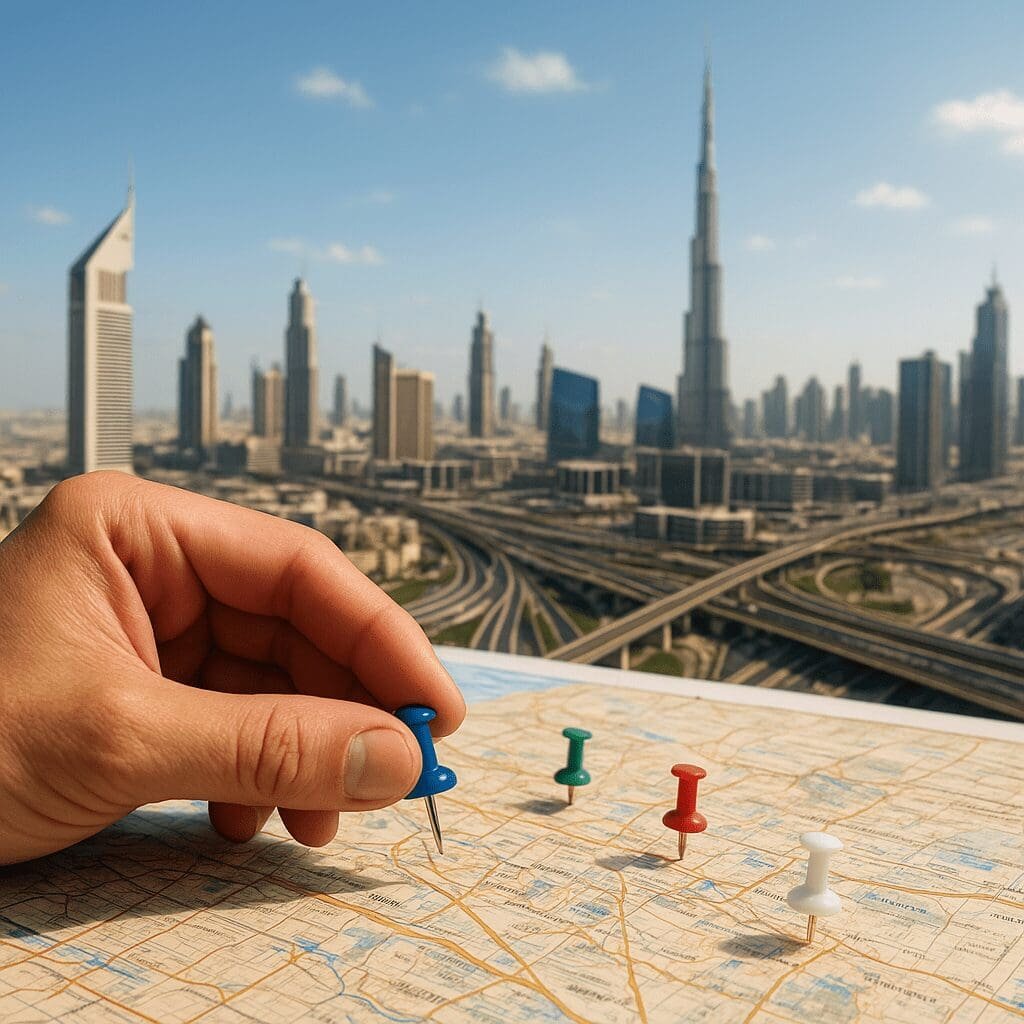
Local Link Building Opportunities in Dubai
Dubai’s business ecosystem rewards brands that show up locally: on maps, in neighborhood guides, at industry events, and across respected regional media. Local link building connects all of these touchpoints, turning real-world visibility into measurable organic growth. With internet penetration above 99% in the UAE and Google holding well over 95% of the search market, local signals and trusted regional references are decisive for discovery and conversions. The city’s mix of free zones, global conferences, multicultural audiences, and hyperactive social platforms creates an unusually rich set of opportunities for earning relevant links that boost visibility, trust, and revenue.
Why local link building matters in Dubai
Local link building strengthens your online footprint in a city where offline credibility and digital presence are deeply intertwined. Dubai’s economy is powered by small and medium enterprises—about 95% of all business establishments—and these SMEs contribute roughly 40% to the emirate’s GDP. In parallel, international tourism represented over 17 million overnight visitors in 2023, turning local search into a key discovery channel for both residents and visitors who are unfamiliar with the city’s neighborhoods and service providers.
Several dynamics make local links especially valuable here:
- Google’s local results: The local “map pack” absorbs high-intent clicks; strong regional references often correlate with better local visibility.
- Mobile-first behavior: The UAE’s smartphone adoption exceeds 95%, and “near me” searches continue to rise. For service areas and storefronts alike, consistent local references help search engines verify proximity, prominence, and relevance.
- Trust and authority: In a multicultural marketplace with transient populations, third-party validation—news coverage, association directories, and event listings—acts as proof of legitimacy.
- Tourist discovery: Visitors rely on maps, hotel concierges, event programs, and city guides. Earning links from these sources translates directly into footfall and bookings.
Globally, almost half of queries show local intent in some form, and Google has reported that over half of local mobile searches can lead to a store visit within a day. In Dubai, those behaviors are amplified by density, convenience culture, super-apps, and a culture of reviews. Effective local links don’t just improve ranking—they drive qualified foot traffic, phone calls, WhatsApp inquiries, and bookings.
High-value local link sources you can pursue
1) Government, free zones, and chambers
- Free‑zone directories: DMCC, DAFZA, DIFC, Dubai Silicon Oasis, IFZA, Meydan Free Zone, and JAFZA often maintain member lists or sector pages with profiles or outbound links. Ensure your listing is complete, bilingual where possible, and updated with precise coordinates.
- Dubai Chamber and sector councils: Membership pages, news mentions, and award programs can yield authoritative local references.
- Professional licensing and approved vendor lists: When applicable, get listed with municipal, health, and education authorities; these validate service scope and geography.
2) Local media and digital PR
- Newsrooms and magazines: Gulf News, Khaleej Times, The National (regional), Arabian Business, Campaign Middle East, Communicate, and What’s On Dubai often feature business openings, expert commentary, and event previews.
- Lifestyle and city guides: Time Out Dubai, Lovin Dubai, Visit Dubai, and neighborhood micro-sites cover dining, leisure, and services—prime ground for links with commercial intent.
- Trade titles: For sector-specific visibility (F&B, real estate, logistics, healthcare), pursue outlets such as Caterer Middle East, Construction Week, Logistics Middle East, and Hotelier Middle East.
3) Events and conferences
- Exhibitor lists and speaker bios: GITEX Global, Gulfood, Arab Health, Arabian Travel Market, Step Conference, and World Government Summit host robust exhibitor/speaker directories. Secure speaker slots or sponsor micro‑events to land authoritative links.
- Meetups and associations: Tech, marketing, and startup communities (e.g., Dubai Internet City, in5, DIFC Innovation Hub) often publish event pages and recaps.
- Seasonal citywide initiatives: Dubai Shopping Festival and Dubai Fitness Challenge produce many campaign pages where partner mentions can result in durable references.
4) Community, CSR, and education
- CSR partnerships: Collaborate with Dubai Cares, Emirates Red Crescent, or Emirates Environmental Group. Sponsorship pages and impact reports frequently include partner profiles.
- Universities and incubators: Engage with institutions like the University of Dubai, AUD, or Heriot‑Watt Dubai through guest lectures, scholarships, or hackathons; program pages often link back to corporate partners.
- Scholarships and grants: Publicize recurring scholarship funds tied to local study fields; these attract links from school portals, ed guides, and parents’ forums.
5) Vertical platforms and marketplaces
- Hospitality and travel: TripAdvisor, Google Maps, Time Out, and hotel concierge blogs can drive both referrals and branded search growth.
- Food and delivery: Zomato, Talabat, Careem, Deliveroo, and Noon Food list profiles with URLs. Optimize descriptions, categories, and UTM-tag your website links to measure referral performance.
- Real estate and home services: Bayut, Property Finder, ServiceMarket, and community portals (e.g., Marina, JLT, Business Bay) can supply niche‑relevant citations or mentions.
- Classifieds and reviews: Dubizzle business pages, Edarabia for education, and Doctor‑finder portals for clinics create demand‑aligned local references.
6) Business directories and employers
- Telecom and national directories: Etisalat YellowPages.ae and Connect.ae are common citations in the UAE; complete your profile with NAP consistency and Arabic alternatives.
- Employer and HR mentions: University career centers, internship boards, and job fair listings frequently link to company pages; they signal community engagement as well as recruitment strength.
Content angles that earn links in the Dubai context
Dubai’s event cadence, multicultural context, and regulatory environment provide fertile ground for linkable resources. Build assets that local editors, bloggers, and associations naturally reference:
- Neighborhood playbooks: Practical guides for JLT, Dubai Marina, Business Bay, Deira, Jumeirah, Al Quoz, and Al Barsha covering parking, transit, delivery hubs, and business services. Add printable PDFs and maps to increase shareability.
- Seasonal checklists: Ramadan opening hours policies, Eid holiday schedules, school calendars, and VAT‑inclusive pricing templates. Include Arabic and English summaries.
- Industry data briefs: Short, visual reports about consumer behavior in Dubai (e.g., delivery adoption, payment preferences, reservation trends). Use public data and your anonymized first‑party metrics.
- Compliance explainers: Practical overviews on invoicing, e‑invoicing timelines, domain naming conventions, or free‑zone vs. mainland trade rules. Local advisors and accelerators frequently link to clear, updated explainers.
- City‑specific “How to” content: How to register a trade name in Dubai, how to sponsor an event, or how to secure permits for pop‑up activations—these earn links from startups and community groups.
- Interactive calculators: Delivery costs by community, customs duty estimators, or break‑even calculators for retail pop‑ups during Dubai Shopping Festival.
Ensure every asset includes a concise media kit: a one‑paragraph summary, image/infographic snippets, and an attribution note that makes it easy for journalists and bloggers to reference your page with a proper link.
Digital PR and outreach playbook for the UAE
Effective PR in Dubai blends global best practices with regional nuance.
- Newsworthiness: Tie announcements to recognized city moments—GITEX, Gulfood, Ramadan, or the start of the school year—to align with editorial calendars.
- Local proof: Make stories locally relevant with data points about Dubai neighborhoods, free zones, or UAE consumer behavior; include quotes from on‑the‑ground partners or clients.
- Pitching etiquette: Personalize emails; respect weekends and public holidays; provide Arabic names and transliterations correctly. Avoid mass WhatsApp blasting unless explicitly invited by the journalist.
- Assets ready: Offer hi‑res photos, short videos, and a fact sheet. Include a link to an owned page, not just a PDF. Encourage embeddable assets for natural linking.
- Follow‑ups: Use polite, single follow‑ups and provide an alternative angle if the first pitch doesn’t land. Track unlinked brand mentions using Google Alerts and your SEO toolset, then request proper attribution.
For expert commentary, register spokespersons with regional journalist networks and trade titles, monitor Twitter/X lists of MENA reporters, and be ready to respond quickly to reactive opportunities (market moves, policy updates, or major events).
Citations, GBP, and NAP consistency for Dubai
Consistent citations across the UAE’s major directories and platforms are a baseline for local visibility. Pay special attention to address formatting idiosyncrasies:
- Arabic and English variants: Use both where possible. Standardize transliteration for areas like Al Qusais/Qusais and Jumeirah/Jumeirah 1/2/3.
- Building names and landmarks: Include tower and cluster codes (e.g., JLT Cluster X) and mall names when they are the practical navigation references customers use.
- P.O. Box vs. street: For service areas, emphasize geocoordinates and neighborhood; P.O. Boxes are common for mailing but do not help map placement.
- Phone formats: Include toll‑free 800 numbers and WhatsApp lines consistently; set your primary number in your Google Business Profile and replicate it everywhere.
- Categories and attributes: In GBP, pick the most precise primary category, add Arabic business description, and enable messaging where appropriate.
Audit your NAP data quarterly. Dubai businesses move offices frequently—updates lag on smaller directories, which can dilute local relevance.
Technical enhancements that amplify local links
- LocalBusiness schema: Add opening hours for Ramadan, geo coordinates, sameAs profiles, and multilingual fields to reinforce entity understanding.
- Hreflang: Implement en‑AE and ar‑AE for language parity; mirror key local pages (location pages, service pages, and guides) in both languages when possible.
- Map embeds: Use a clean Google Maps embed on contact and location pages and ensure NAP in crawlable HTML near the embed.
- Internal linking: Cluster pages by neighborhood and service line; link from seasonal guides to core commercial pages to pass relevance.
- Media optimization: Geotag images, add Arabic alt text where relevant, and host fast, compressed assets to ensure good Core Web Vitals under mobile networks.
- UTM discipline: Tag referral links from media, events, and directories so analytics can segment performance by source and campaign.
Measurement: KPIs and realistic benchmarks
Outline quantifiable goals aligned to your funnel.
- Coverage: Number of new Dubai‑based referring domains per quarter, aiming for diversity across media, associations, free zones, and events.
- Quality: Topical relevance, homepage vs. deep links, and link placement (editorial body > footer). Track domain strength and traffic potential rather than raw “DR.”
- Local rankings: Map pack presence for core terms by neighborhood (e.g., “dentist Business Bay”), and visibility growth for Arabic variants.
- Engagement: Referral sessions, bounce rate, and conversion actions (calls, WhatsApp clicks, forms, bookings). Expect higher conversion rates from hyper‑local media and city guides compared to generic directories.
- Assisted revenue: Attribute revenue and leads influenced by referral traffic using UTM tags and multi‑touch models.
Directional targets for a mid‑market brand entering an active local campaign might include 20–40 new regional referring domains in 90 days, a 10–25% increase in map pack impressions for target clusters, and noticeable lifts in branded search around neighborhoods where events or partnerships occurred. Use Google Search Console, GBP Insights, and call tracking to tie links to outcomes.
Ethics, compliance, and risk management
Local link building should reinforce trust, not jeopardize it.
- Avoid paid link schemes: UAE media frequently offers advertorials; ensure they are labeled “sponsored” and use compliant attributes where applicable.
- Respect cultural and regulatory context: Mind religious holidays, modesty norms in imagery, and rules around healthcare claims and financial promotions.
- Fact‑check localization: Incorrect Arabic translations or neighborhood names can harm credibility and reduce pickup.
- Data privacy: Secure consent for case studies and testimonials; anonymize customer data in reports unless you have explicit permission.
90‑day execution roadmap
Phase 1: Foundations (Weeks 1–3)
- Audit NAP consistency across 30–50 UAE directories; correct discrepancies in English and Arabic.
- Optimize Google Business Profile: categories, services, products, Q&A, Arabic description, and messaging.
- Compile a prospect list: 150–250 targets spanning free zones, chambers, media, city guides, events, CSR, universities, and vertical portals.
- Build 1–2 linkable assets: a neighborhood guide and a seasonal checklist (e.g., Ramadan hours or GITEX planner).
Phase 2: Acceleration (Weeks 4–8)
- Directory and association listings: Secure at least 20 priority citations, starting with high‑trust entities (free zones, chambers).
- Event alignment: Confirm exhibitor/speaker slots for the next two quarters; submit profile links and bios.
- PR sprints: Pitch 2–3 localized story angles to business and lifestyle press; prepare exclusive data cuts for top titles.
- Community initiatives: Launch one scholarship, workshop, or clean‑up drive; ensure the partner publishes a recap post linking to your hub.
Phase 3: Compounding (Weeks 9–12)
- Unlinked mentions: Monitor and request attributions from previous coverage, event listings, and aggregator profiles.
- Partner content: Co‑create one piece with a free zone or accelerator (e.g., “SME Playbook for DSOA Tenants”).
- Regional syndication: Adapt content for Arabic media; pitch explainers to trade titles and community portals.
- Measurement: Report on rankings by cluster, referral leads, and revenue influence; refine target lists based on the top 20% of link sources by conversions.
Frequently overlooked opportunities in Dubai
- Supplier and client pages: Encourage local partners to list preferred suppliers or “Powered by” credits with links.
- Free‑zone awards and case studies: Many zones highlight member success; submit measurable outcomes and secure a profile link.
- Hotel concierge blogs and PDFs: Provide concise, printable guides (with brand attribution) to concierge teams in Downtown, Marina, and Palm Jumeirah.
- Relocation and parenting forums: Offer accurate neighborhood school and commute guides; these communities often maintain resource pages.
- Religious and community centers: Event sponsorship and workshop recaps frequently carry outbound references.
- SaaS integration directories: If you serve Dubai merchants, earn links from POS, payments, and logistics partners listing official integrations.
Industry‑specific tactics
Restaurants and F&B
- Leverage delivery platforms and city guides; optimize for Arabic keywords and seasonal menus (Ramadan, Eid, festive).
- Sponsor neighborhood events (JLT, Marina street fairs) and request inclusion on organizer pages and resident newsletters.
- Publish a “Dining by neighborhood and budget” guide; pitch to lifestyle editors.
Clinics and healthcare
- Secure links from DHA or authoritative medical portals where appropriate; maintain strict compliance on claims.
- Publish bilingual patient guides for neighborhoods with high expat density; seek inclusion in insurance and embassy resource pages.
Real estate and home services
- Neighborhood move‑in checklists and DEWA/Etisalat setup explainers attract links from relocation blogs and community forums.
- Collaborate with developers’ community pages for guides to amenities and service providers.
B2B and finance
- Participate in DIFC, DMCC, and chamber events; secure speaker bios and whitepaper citations.
- Offer compliance summaries (VAT, invoicing) co‑branded with local advisors; pitch to trade media.
On‑page optimization to capture local link equity
- Dedicated hub pages: Host each asset on a fast, clean URL with internal links from relevant service and location pages.
- Bilingual summaries: Even if full Arabic content is phased, provide a 150–300‑word Arabic abstract with hreflang to increase regional pickup.
- Media kit: Include embed codes for charts and a short request‑for‑attribution note.
- Trust stack: Prominently feature chamber memberships, free‑zone affiliations, and award logos; these reinforce E‑E‑A‑T to both users and algorithms.
Outreach messaging templates (adapted to Dubai)
Keep emails concise, respectful, and locally relevant. Examples:
- City guide pitch: “We’ve mapped parking, transit, and delivery zones for Business Bay with Arabic/English notes. Your readers often ask concierges for this info—happy to share a media kit and custom map embed.”
- Event speaker angle: “Our founder will share anonymized data on delivery preferences across Marina/JLT during Gulfood. Can we contribute a 600‑word preview for your readers with a link to the full dataset?”
- CSR recap: “Thanks for hosting the community clean‑up. We published photos and a brief impact summary—would you be open to adding it to the event recap for attendees who requested resources?”
Common pitfalls to avoid
- Buying links en masse: Short‑term gains, long‑term risk. Focus on credible local mentions and partnerships.
- Ignoring Arabic: Even basic bilingual cues improve editorial interest and local comprehension.
- Thin citations: Empty profiles or mismatched NAP data reduce trust. Complete every field, especially categories and attributes.
- One‑off PR spikes: Plan quarterly assets and events; link acquisition should compound over time.
- Neglecting tracking: Without tagged URLs and call tracking, you undercount impact and misallocate effort.
Putting it all together
The highest ROI in Dubai local link building comes from aligned, repeatable actions: authoritative directories and chambers, event listings around marquee city moments, bilingual linkable assets, and consistent city‑specific PR. Each success strengthens the others—citations support map rankings, event bios bolster trust, and media coverage amplifies your neighborhood guides. With a disciplined foundation, thoughtful content tailored to Dubai’s rhythm, and respectful PR execution, local links evolve from a tactical checkbox into a durable competitive advantage.
Practical checklist
- Confirm accurate, bilingual NAP across 30–50 UAE directories in 3 weeks.
- Publish two linkable assets: one neighborhood guide and one seasonal or compliance resource.
- Secure at least one free‑zone profile enhancement and one chamber mention.
- Lock two event touchpoints (speaker/exhibitor/sponsor) with indexed profile pages.
- Land 3–5 media placements, including at least one lifestyle/city guide.
- Activate a CSR or education partnership with a public recap and links.
- Implement schema, hreflang, and UTM tagging across all landing pages.
- Report monthly on referring domains, local rankings by neighborhood, and revenue‑influenced referrals.
Dubai rewards brands that participate in the city’s real economy and capture those moments online. By prioritizing trustworthy local references, tuning your on‑page signals, and measuring what matters, you compound visibility in the channels that residents and visitors already use—Maps, guides, and respected regional media—turning credible local backlinks into steady growth.
Appendix: glossary for quick alignment
- SEO: Search tactics that improve organic visibility in Google, especially local and map results.
- Google: Dominant search engine in the UAE; local pack and Maps are crucial.
- citations: Consistent references to your business name, address, and phone across directories.
- authority: Perceived trust and prominence from high‑quality, relevant mentions.
- outreach: Targeted PR and partnership communication to earn mentions and links.
- E‑E‑A‑T: Experience, Expertise, Authoritativeness, Trustworthiness signals.
- analytics: Measurement systems tying referral traffic to leads and revenue.
- partnerships: Collaborations with events, free zones, and community orgs.
- content: Linkable assets—guides, data, explainers—adapted to Dubai.
- backlinks: External links to your site that validate relevance and improve rankings.