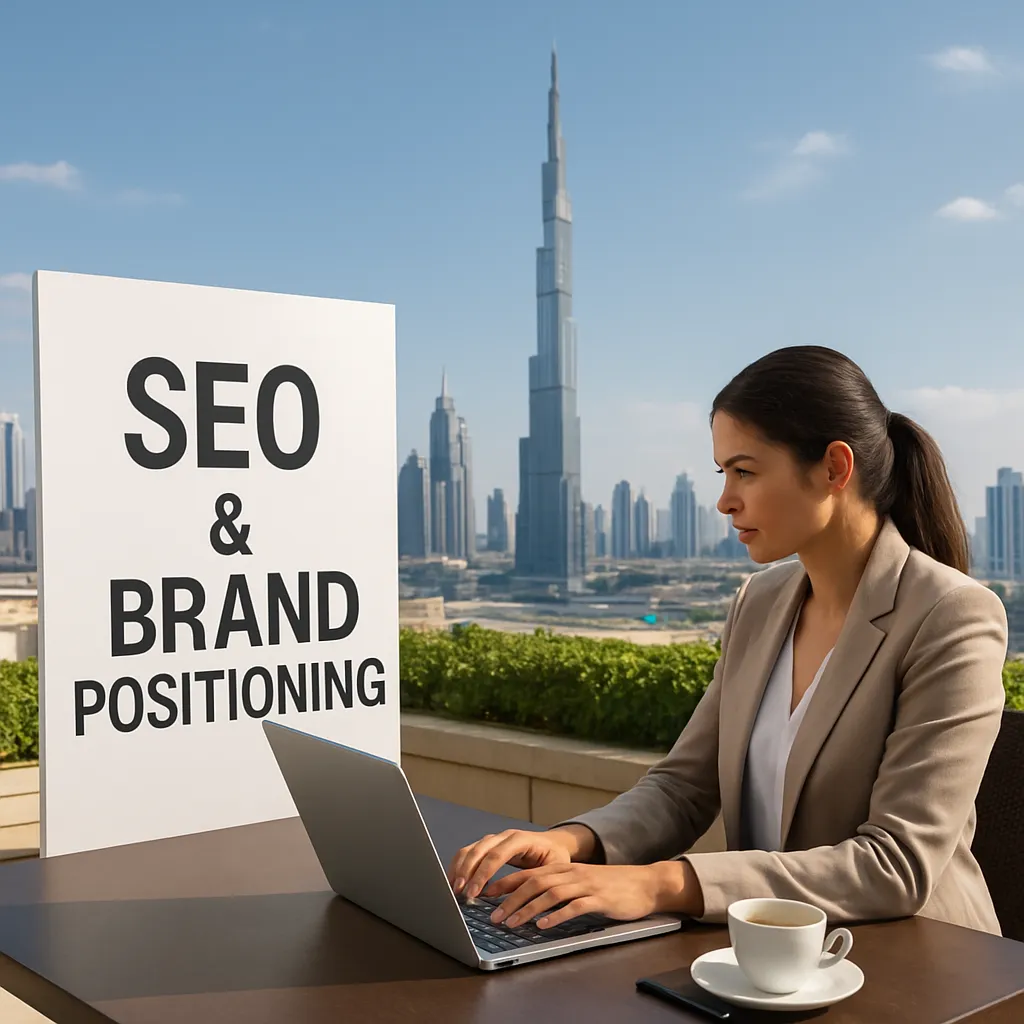
SEO and Brand Positioning in Dubai
SEO and brand positioning in Dubai have become strategically intertwined as the city evolves into a digital-first marketplace and a global hub for innovation, tourism and high-end services. Companies entering or scaling in this environment must understand not only how to rank in search engines, but also how to align online visibility with a clear and distinctive market identity that resonates with multicultural audiences, high mobile usage and a strong appetite for luxury and convenience.
The digital landscape of Dubai and its impact on SEO
Dubai’s digital ecosystem is shaped by rapid technology adoption, strong infrastructure and a population that expects seamless online experiences. Internet penetration in the United Arab Emirates consistently exceeds 98%, and several industry reports indicate that more than 90% of residents use smartphones daily. This combination creates an environment where **search** is an integral part of everyday decision-making, from choosing a restaurant in Dubai Marina to comparing financial services in DIFC.
One of the defining features of Dubai’s market is the high percentage of expatriates. Around 85–90% of residents are non-Emirati, coming from Asia, Europe, Africa and the Americas. For SEO and **brand** positioning, this means that search intent is highly fragmented. Users may search in English, Arabic, Hindi, Urdu, Russian or Chinese, often mixing languages or using transliterated queries. Brands that want to dominate search cannot rely on a single-language strategy; they must consider multilingual keyword research and culturally nuanced content.
Local search has exceptional importance in Dubai. A very large share of queries with commercial intent include location-based modifiers such as “near me”, “in Dubai Marina”, “Business Bay”, “JLT” or “Downtown Dubai”. According to several global mobile usage studies, “near me” searches have grown by more than 200% in recent years, and this behavior is strongly visible in Dubai’s hospitality, retail and service sectors. Properly optimized **Google** Business Profiles, local citations, maps optimization and structured data markup can significantly increase the visibility of brands in these micro-locations.
Dubai is also a regional hub for **e‑commerce**, with the UAE online retail market growing steadily year over year. Reports from regional consultancies suggest e‑commerce growth rates in the GCC often reach double digits annually, and the UAE is among the fastest adopters. For SEO, this leads to intense competition around product and category keywords, as well as branded versus non‑branded search terms. In such a competitive arena, on-page optimization alone is insufficient; brands must focus on trust signals, differentiated value propositions and consistent content marketing to secure long‑term rankings.
Another key factor is the city’s focus on innovation and smart city initiatives. Government services, property transactions and even healthcare appointments are increasingly digital. Government-backed portals, major real estate developers and large banks create powerful domains that dominate search for many high-value queries. New or smaller brands entering the market must therefore identify niche segments and long‑tail keyword clusters where they can realistically compete and build topical authority over time.
Aligning SEO with strategic brand positioning
For companies in Dubai, SEO should not be treated as a purely technical or isolated marketing function. It is most powerful when integrated into a broader **brand** strategy that defines who the company serves, what it stands for and how it differs from competitors in a crowded, high-end environment. Effective brand positioning in Dubai takes into account cultural diversity, income segments, lifestyle aspirations and the unique prestige associated with the city.
Brand positioning starts with a clear understanding of the target audience. A luxury hotel in Palm Jumeirah will appeal to global tourists and affluent residents, while a mid-range serviced apartment in Deira might cater more to long-term expatriate professionals. These differences translate directly into distinct search behaviors. The first audience might look for “luxury beachfront resort Dubai” or “5 star hotel near Atlantis”, while the second might search for “affordable furnished apartments in Dubai” or “monthly rental studio in Deira”. SEO-driven keyword research becomes a lens through which the brand can understand the language of its ideal customers and refine its positioning.
In practice, aligning SEO with brand means carefully choosing which keywords to prioritize. Instead of trying to rank for every generic term such as “hotel in Dubai”, a brand may decide to focus on “eco-friendly hotel in Dubai Marina” or “family resort with water park Dubai”. These more specific statements not only face less competition but also reflect a sharper **positioning** in the minds of potential customers. Over time, consistent visibility for such queries reinforces what the brand is known for.
On-page content should express the same brand promise that appears in offline communication, social media and paid campaigns. If a fintech start-up in DIFC positions itself as an innovative, fast and transparent solution for SME financing, its website content, meta descriptions, headlines and blog articles should reinforce this narrative. Instead of generic phrases, it can highlight speed of approvals, regulatory partnerships, success stories from local SMEs and educational content about doing business in the UAE. This creates a unified experience where search visibility supports brand credibility.
User experience is another important bridge between SEO and brand. Dubai consumers, especially younger generations and affluent professionals, have low tolerance for slow, cluttered or unresponsive websites. Page speed, mobile optimization, clear navigation and accessible language are not only technical ranking factors but also expressions of how a brand respects users’ time and attention. A website that consistently loads fast on mobile networks, especially during peak hours in busy districts, sends a subtle but powerful message of reliability and professionalism.
Trust is central to brand positioning in Dubai’s competitive markets such as real estate, healthcare, education and finance. SEO can amplify or undermine this trust depending on how it is executed. Transparent on-page information, detailed FAQs about regulations, pricing or processes, and visible social proof in the form of reviews and testimonials help visitors feel safe and informed. Conversely, aggressive keyword stuffing, unrealistic promises or thin content may raise doubts. Search engines increasingly reward authenticity and depth, which align closely with long-term brand strategy.
Backlink strategies also intersect with brand decisions. For example, a boutique clinic aiming to be known as a premium wellness destination might prioritize mentions in reputable health magazines, collaborations with well-known influencers and participation in conferences in Dubai Healthcare City. Each of these placements can generate high-quality backlinks, referral traffic and brand-enhancing visibility. The SEO value is significant, but so is the cumulative effect of being associated with respected names in the ecosystem, which reinforces the desired brand image.
Content marketing plays a special role in this integrated approach. Articles, guides, case studies, webinars and local insights help brands demonstrate expertise and thought leadership. A property developer could publish detailed guides such as “Legal steps to buying off-plan property in Dubai” or “How to compare freehold and leasehold projects in the UAE”. If optimized around relevant **keywords** and structured for both users and search engines, this content can attract continuous organic traffic while positioning the brand as a reliable advisor rather than just a seller.
Local nuances: language, culture and search intent
Dubai’s multilingual environment introduces complexity and opportunity for SEO and **branding**. English often serves as the common business language, but Arabic remains crucial, particularly for government communication, local media and certain consumer segments. In parallel, large communities from India, Pakistan, the Philippines, Europe and Russia bring their own languages, cultural preferences and search habits.
Brands that want to build a deep connection with these audiences should consider localized content strategies. For instance, offering key landing pages and FAQs in both English and Arabic can significantly improve conversion rates for sectors such as healthcare, legal services or education. Proper use of hreflang tags, localized meta titles and descriptions, and culturally adapted copy ensures that search engines present the right version of the page to the right users.
Culture influences search intent in more subtle ways. During Ramadan, for example, search patterns shift as people look for iftar menus, charity initiatives, working hours and religious content. Entertainment, travel and retail-related queries may also change their timing or emphasis. Brands that anticipate such seasonal shifts can align their SEO and content calendars with key moments in the local cultural and religious calendar, enhancing both visibility and relevance.
Another nuance is the prominence of branded search in certain sectors. Well-known developers, malls and hospitality groups in Dubai have invested heavily in creating recognizable names. Users often search directly for these brands, followed by qualifiers such as “offers”, “reviews”, “location” or “contact”. For newer brands, the strategy may involve encouraging satisfied customers to search for the brand name, using memorable naming, consistent messaging and targeted offline and online campaigns. Over time, rising volumes of branded search indicate increasing awareness and loyalty.
Dubai’s cosmopolitan character also means that social media, influencers and word-of-mouth strongly shape search behavior. A restaurant mentioned by a popular food blogger on Instagram may see a sudden spike in Google searches for its name or dishes. SEO teams should monitor these patterns and ensure that branded search queries lead to well-optimized pages with accurate, up-to-date information. This alignment between social buzz and search visibility can boost both traffic and brand equity.
Location-based intent has an additional dimension due to the city’s rapid urban development. New districts, towers and malls appear frequently, and their names quickly enter local vocabulary. Brands that adapt fast by creating landing pages, structured data and local guides around these new places can capture early search demand. For example, a co-working space opening in a newly popular area can benefit from content that explains the advantages of that district, transportation options and nearby amenities, optimized around the location’s name and key related phrases.
Competitive environments: tourism, real estate and luxury
Several sectors in Dubai are uniquely competitive, making sophisticated SEO and precise brand positioning essential for standing out. Tourism, real estate and luxury retail are especially crowded, with global players, regional leaders and ambitious start-ups all vying for attention.
In tourism and hospitality, many hotels and attractions rely heavily on online travel agencies (OTAs). These intermediaries often dominate search results for accommodation and activity-related queries, capturing a large portion of traffic and bookings. To maintain control over their brand, hotels in Dubai must build strong direct search visibility. This involves optimizing brand-name queries, showcasing unique selling points such as private beaches, skyline views or award-winning restaurants, and offering clear advantages for booking directly, like flexible cancellation or loyalty rewards.
Real estate SEO in Dubai faces a different set of challenges. Major property portals aggregate listings from agents and developers, and their domain authority allows them to dominate broad queries such as “apartments for sale in Dubai” or “villas for rent in Dubai”. Developers and agencies that depend solely on these portals risk becoming interchangeable. To counter this, they can focus on more focused keyword clusters such as “off-plan property in Dubai Creek Harbour” or “family villas in Arabian Ranches”. Detailed neighbourhood guides, transparent fee breakdowns and educational content about legal processes can attract users seeking in-depth information, while also elevating the brand as a trustworthy expert.
Luxury brands in Dubai, from fashion to jewellery and high-performance cars, face customers who are highly informed and globally connected. Many of these customers compare local offerings with international ones, and they care about authenticity, exclusivity and service. SEO strategies in this field must reinforce the aura of prestige. Clean, elegant web design, high-quality visuals, limited but powerful copy and clear storytelling about heritage and craftsmanship help maintain this perception. Rather than chasing every possible keyword, luxury brands might prioritize searches that align with their image, such as “bespoke jewellery Dubai” or “exclusive test drive experience in Dubai”.
The influence of reviews and ratings is especially strong in these competitive sectors. A small difference in average rating or the presence of negative comments can significantly affect conversion rates. From an SEO and brand perspective, proactive management of online reputation is vital. Encouraging satisfied guests or clients to leave reviews on Google Maps, TripAdvisor or sector-specific platforms, and responding thoughtfully to feedback, signals both to potential customers and to algorithms that the brand is engaged and reliable.
Collaboration and partnerships are another way brands in Dubai enhance both SEO and positioning. A hotel might co-create content with a popular lifestyle magazine, a developer might be featured in investment reports, or a restaurant could appear in curated city guides. Each of these collaborations creates authoritative backlinks and new exposure to targeted audiences. Over time, such associations can anchor the brand within particular narratives: innovation, sustainability, family-friendly experiences, nightlife or cultural sophistication.
Technical excellence as a foundation for credibility
While strategic positioning and content are critical, technical SEO remains a non‑negotiable foundation, particularly in a market where customers expect frictionless digital experiences. Dubai’s widespread 4G and 5G networks mean users often browse on mobile at high speed, but expectations are equally high. Slow websites, broken links and confusing navigation can quickly erode trust, even if the brand’s message is compelling.
A technically sound website architecture enables search engines to crawl and index content efficiently. Clear internal linking structures, XML sitemaps and clean URL patterns ensure that important pages receive the attention they deserve. For brands with multiple locations, language versions or product categories, logical hierarchies and breadcrumb navigation help both users and crawlers understand how the site is organized.
Mobile-first design is especially important in Dubai’s context, given the dominance of smartphones. Responsive layouts, compressed images, optimized fonts and minimal intrusive scripts improve both loading times and usability. Implementing technologies such as lazy loading for images and asynchronous loading for certain scripts can reduce perceived page load times and improve Core Web Vitals metrics, which have become influential SEO signals.
Structured data markup offers an additional layer of optimization that directly supports **visibility** and brand perception. By using schema types for products, services, reviews, FAQs, events or local businesses, companies in Dubai can make their search results more informative and attractive. Rich snippets that show price ranges, star ratings, opening hours or event dates increase click‑through rates, thereby amplifying organic traffic and reinforcing brand authority.
Security also plays a crucial role. HTTPS is now standard, but in sectors such as banking, healthcare or e‑commerce, visible trust signals like secure payment badges, clear privacy policies and simple explanations of data handling can significantly impact both user confidence and conversion rates. From a brand positioning angle, demonstrating respect for privacy and security supports an image of professionalism and reliability, especially in a city that attracts global investors and high-net-worth individuals.
For businesses targeting users across the wider region from a Dubai base, technical configurations such as hreflang for Arabic and English, geotargeting settings in search consoles and regional hosting choices can influence how well their content performs in neighbouring markets. Balancing local optimization for Dubai with broader regional ambitions requires careful planning, but the reward is a stronger, more coherent presence across multiple countries while still preserving a clear Dubai-centric identity.
Data-driven decision-making and continuous optimization
One of the most powerful aspects of digital marketing in Dubai is the availability of data. Analytics platforms, search console insights and third-party keyword tools provide granular information about user behavior, search queries and conversion paths. Brands that treat SEO and **brand** positioning as ongoing, data-driven processes gain a significant advantage over those that view them as one-time projects.
Regular analysis of organic traffic patterns can reveal which types of content and which messages resonate most strongly with target audiences. For instance, if a healthcare provider discovers that detailed guides about specific procedures generate high engagement and appointment requests, it can scale this approach into broader educational series. Over time, these insights refine the brand’s perceived area of expertise and help it occupy distinct territory in the minds of patients.
Tracking keyword rankings and search visibility helps identify both opportunities and threats. A sudden rise in a competitor’s presence for an important keyword cluster might signal a new campaign or product launch, prompting a response. Conversely, gradual improvements in rankings for long‑tail, high-intent keywords can signal that content strategies are working and should be expanded. This continuous observation supports agile decision-making, allowing brands to adjust to market shifts, seasonality and emerging trends.
Conversion rate optimization (CRO) intersects closely with SEO and branding. Testing different headlines, calls-to-action, page layouts or forms can significantly increase the percentage of visitors who complete desired actions, such as submitting a contact form, booking a consultation or making a purchase. When these experiments are guided by a clear brand identity—for example, emphasizing personal service, speed, or luxury—they reinforce positioning rather than undermining it.
For many brands in Dubai, offline activities still play an important role: events, conferences, billboards and sponsorships. Integrating these offline touchpoints with online search behavior is critical. Campaigns should include memorable phrases, hashtags or URLs that encourage audiences to look up the brand online. In turn, the website and search presence must reflect the campaign’s visual language and promises, creating a seamless experience from offline to online.
Finally, reporting and stakeholder communication are crucial for sustaining investment in SEO. Clear dashboards that show the relationship between organic traffic, qualified leads, revenue and brand metrics help decision-makers understand the value of this channel. When leaders see that improved search visibility correlates with higher-quality inquiries in Dubai’s key districts or among specific customer segments, they are more likely to support long-term SEO and content initiatives that build sustainable competitive advantage.
Conclusion: integrating SEO and brand positioning for long-term impact
In Dubai’s dynamic and sophisticated marketplace, SEO cannot be reduced to technical tweaks or isolated keyword campaigns. It functions most effectively when embedded within a comprehensive **marketing** strategy that defines a clear, differentiated and authentic brand position. Visibility in search results, especially on mobile and for location-based queries, becomes a powerful amplifier of that position, reaching diverse audiences at pivotal decision moments.
Brands that succeed in Dubai typically combine several elements: a deep understanding of local and expatriate search behavior, a commitment to high-quality, culturally aware content, strong technical foundations, proactive reputation management and continuous, data-driven optimization. They choose their battles carefully, focusing on keyword territories and topics that reinforce what they want to be known for, rather than chasing every possible query.
As Dubai continues to evolve as a global centre for tourism, trade, finance and innovation, competition for digital attention will only intensify. Companies that invest in thoughtful, integrated strategies—where **SEO** and brand positioning support each other—will be better placed to attract, convert and retain the customers who matter most to them, building not only traffic and rankings, but durable trust and preference in one of the world’s most ambitious cities.