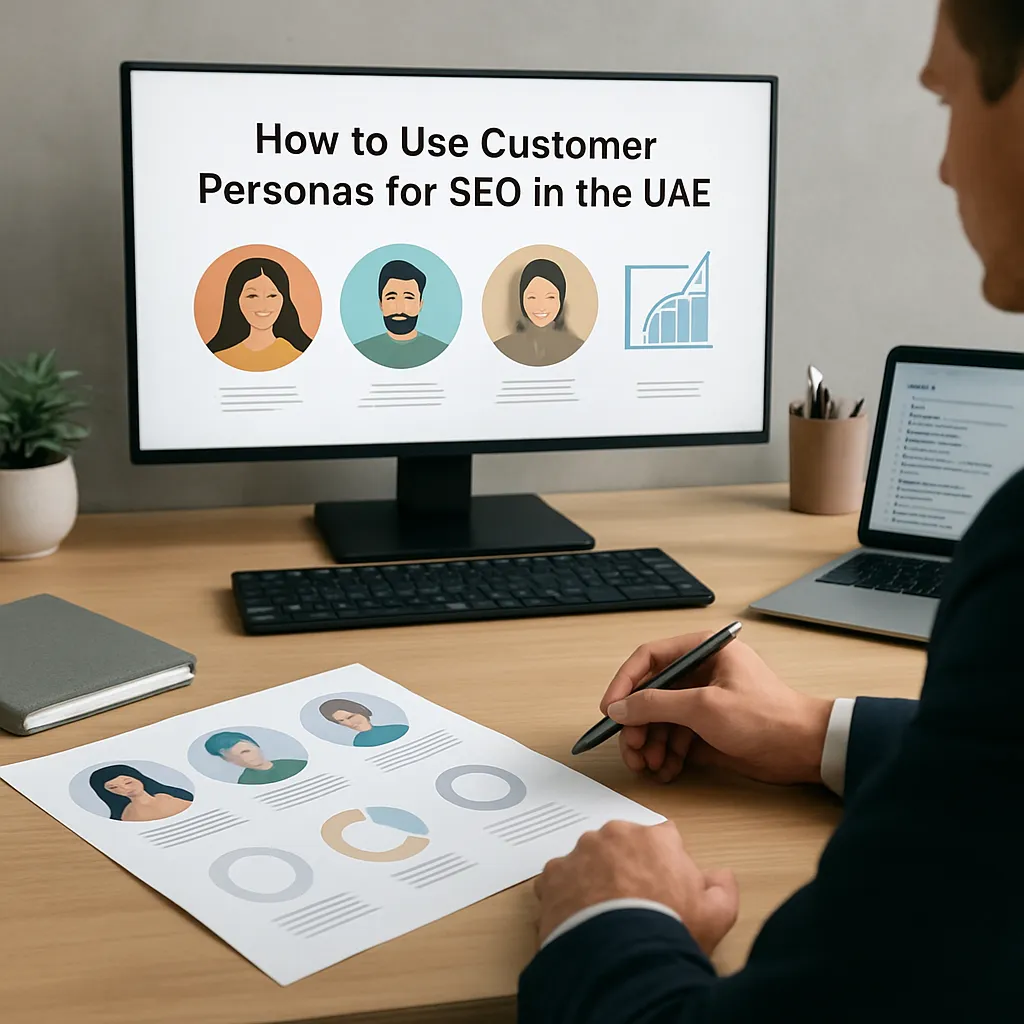
How to Use Customer Personas for SEO in the UAE
Understanding customers in the UAE goes far beyond knowing age and gender. To rank for the right keywords, create content that converts, and invest wisely in paid and organic traffic, businesses need specific, living profiles of their ideal buyers. These profiles – customer personas – allow brands to connect search behaviour with culture, language and intent. When combined with a solid SEO strategy, they help you attract qualified traffic instead of just more visitors.
Why Customer Personas Matter So Much for SEO in the UAE
The UAE is a unique digital market in the Middle East. An extremely high internet penetration rate, a mobile‑first population and diverse expatriate communities create very different search behaviours than in many Western countries. Building **customer personas** for SEO lets you capture those differences and translate them into content, keywords and user experiences that match real user needs.
According to the UAE Telecommunications and Digital Government Regulatory Authority (TDRA) and international reports:
- Internet penetration in the UAE consistently exceeds 98%, making it one of the most connected countries globally.
- Over 95% of residents are active social media users, and a large part of product research happens across search and social.
- Mobile accounts for around 70–80% of web traffic in the region, meaning most organic visits start from a smartphone.
- Google holds well over 95% market share in search, but YouTube, Instagram and TikTok are also major “search engines” for younger audiences.
These numbers highlight a critical fact: targeting generic keywords without understanding local intent is a wasted opportunity. A European or US‑based keyword list will rarely perform the same way in Dubai, Abu Dhabi or Sharjah, because:
- Income levels are, on average, higher, so purchase power and expectations differ.
- Expat residents from Asia, Europe, Africa and the Americas bring different search habits and languages.
- Arabic and English coexist, with mixed‑language searches being extremely common.
- Religious and cultural factors influence seasonality (Ramadan, Eid, UAE National Day, back‑to‑school, Dubai Shopping Festival).
Customer personas help you capture these nuances and embed them into your **SEO strategy**, content planning and conversion funnels, instead of relying on one‑size‑fits‑all assumptions.
Key Characteristics of UAE Customer Personas for SEO
Before building detailed personas, it helps to understand the broad audience types you will typically encounter in the UAE. Each group searches differently, responds to different content formats and trusts different signals.
Emirati Nationals
Emirati nationals are a smaller share of the total population but a crucial segment with strong purchasing power and cultural influence:
- Language: Comfortable in both Arabic and English, but Arabic often dominates in personal, government and culturally sensitive topics.
- Devices: Heavy mobile usage, with top‑end devices common.
- Search behaviour: Interested in local services, luxury brands, government services, cultural content and family‑oriented products.
- Trust signals: Strong preference for brands that respect local values, show understanding of UAE heritage and offer Arabic content and support.
For SEO, this persona might search terms such as “best majlis interior design Dubai”, “luxury abaya online UAE” or “family staycation Ras Al Khaimah”. Providing **bilingual content**, local case studies and clear local addresses builds credibility.
Expat Professionals
These are mid‑ to high‑income professionals from Europe, North America, other GCC countries and beyond:
- Language: Primarily English, with search queries often reflecting Western search habits.
- Devices: Laptops for work‑related browsing, mobiles for personal use and micro‑moments (restaurants, services near me).
- Search behaviour: “Near me” queries, B2B solutions, relocation services, housing, schools, fitness and entertainment.
- Trust signals: Reviews, social proof, transparent pricing, professional website design and strong LinkedIn or industry presence.
SEO content for this persona can include “co‑working space in Dubai Marina”, “international schools in Abu Dhabi”, “digital agency in Dubai for SaaS” or “VAT registration UAE guide”. Detailed guides, FAQs and comparison pages convert particularly well.
South Asian, Filipino and Other Expat Residents
This is one of the largest and most diverse segments in the UAE, often mixing English with their native languages or transliterated forms:
- Language: English plus Hindi, Urdu, Malayalam, Tagalog and others; many users search in English but with culturally specific phrasing.
- Devices: Mobile‑first, heavy social media and messaging app usage.
- Search behaviour: Affordable services, remittances, food delivery, job opportunities, healthcare, education and community‑driven queries.
- Trust signals: Offers, discounts, flexible payment plans, multilingual support, clear instructions and customer service availability.
Here, long‑tail searches such as “cheap movers in Sharjah”, “money transfer to India best rate UAE” or “nurse jobs in Dubai without experience” are common. Structuring content for **long‑tail keywords** and answering very specific questions pays off.
Tourists and Short‑Term Visitors
Tourists form a constantly rotating audience with high intent to spend in a short time frame:
- Language: English is dominant; Russian, Chinese, German and French also appear in search logs.
- Devices: Almost entirely mobile; often using roaming or local SIM data.
- Search behaviour: Attractions, shopping, hotels, dining, transport, experiences and “things to do today”.
- Trust signals: Star ratings, Google Maps visibility, recent reviews, clear pricing, easy online booking and WhatsApp contact options.
SEO here is highly location‑based: “desert safari Dubai price”, “Dubai Mall parking hours”, “best shisha lounge JBR”, “Abu Dhabi Louvre tickets online”. Local **SEO optimization** (Google Business Profile, NAP consistency, structured data) is essential.
The Impact of Culture, Language and Seasonality
Across all personas, some cross‑cutting factors influence how SEO should be executed in the UAE:
- Bilingual content strategy: Many users switch between English and Arabic in the same session, and search queries often reflect this mix.
- Religious calendar: Ramadan alters daily rhythms and purchasing behaviour. Night‑time searches increase, and categories like food delivery, modest fashion and charity spike.
- Shopping events: Dubai Shopping Festival, Ramadan offers, White/Yellow Friday sales, back‑to‑school and New Year campaigns drive massive search spikes for specific keywords.
- Luxury and convenience: The UAE has a strong preference for premium experiences and time‑saving services, which should be reflected in messaging and value propositions.
All of this should be encoded into your personas so that your **keyword research** and on‑page strategy reflect when, how and why your ideal users search.
How to Build UAE‑Specific Customer Personas for SEO
Building useful personas is not about inventing fictional characters in isolation; it is a data‑driven process. The goal is to connect real search patterns and user behaviour with demographic and psychographic details.
Step 1: Collect Quantitative Data
Start with numeric and behavioural data drawn from your existing assets and external tools:
- Google Analytics / GA4: Identify which locations (emirates, cities), languages, devices and landing pages bring the most traffic and conversions.
- Google Search Console: Export top queries, impressions and clicks. Group them by intent (informational, navigational, transactional) and by country/region.
- Keyword tools: Use Google Keyword Planner, Ahrefs, Semrush or local tools to gather search volume for UAE and Arabic queries. Look for differences between “Dubai”, “Abu Dhabi” and generic “UAE” searches.
- CRM and sales data: See which customer groups generate the most revenue, not just the most leads. Map their characteristics (industry, role, nationality if available, average order value).
- Market and industry reports: Dubai and Abu Dhabi government economic reports, tourism authority data and sector‑specific studies often reveal relevant trends.
Translate these insights into patterns, such as “60% of organic conversions come from Dubai‑based mobile users searching in English between 6pm and 11pm”. Such patterns become building blocks of persona profiles.
Step 2: Add Qualitative Insights
Data tells you what people do; qualitative feedback tells you why. Combine both to create rich personas:
- Customer interviews: Talk to 10–20 customers from different segments. Ask why they chose you, which words they used to search, and what other options they considered.
- Sales and support feedback: Your front‑line teams know common questions, objections and misconceptions. Capture these in a shared document.
- Online reviews and forums: Read Google Reviews, Facebook, TripAdvisor, community groups and Reddit threads relevant to your industry in the UAE.
- Social media listening: Monitor hashtags and mentions tied to your segment (#DubaiFood, #DubaiFitness, #AbuDhabiLife etc.) to understand language, slang and sentiment.
Pay special attention to phrases customers use; they often align closely with low‑competition, high‑conversion long‑tail keywords.
Step 3: Define 3–6 Core Personas
Too many personas dilute focus, too few miss nuance. For most businesses, three to six detailed personas are enough. Each persona profile should include:
- Demographics: Age range, gender distribution, marital status, nationality mix, location (Dubai Marina vs. Sharjah suburbs).
- Socio‑economic traits: Income level, job role, education, spending power.
- Goals and motivations: What they want to achieve when searching (save money, save time, explore, learn, invest, entertain family).
- Challenges and pain points: What stops them from achieving those goals.
- Preferred devices and channels: Mobile vs desktop, search vs social vs WhatsApp, preferred platforms.
- Content preferences: Short vs long‑form, video vs article, English vs Arabic, visual vs text heavy.
- Search behaviour: Typical keywords and queries, time of day, brand vs generic searches.
- Decision drivers and trust signals: Reviews, certifications, local presence, Arabic support, payment methods.
For example, a Dubai‑based fitness studio might define:
- Persona A – Emirati Female, 25–35: Seeks ladies‑only gym with privacy, values Arabic‑speaking trainers, searches in Arabic and English, highly active on Instagram and Snapchat.
- Persona B – Western Expat Male, 30–45: Looks for strength training and personal trainers near work, searches in English on Google Maps, values reviews and trainer certifications.
- Persona C – South Asian Professional, 25–40: Price‑sensitive, prefers flexible memberships, searches “cheap gym in Bur Dubai”, relies on Google Reviews and word of mouth from colleagues.
Each of these personas would map to different sets of keywords, landing pages, offers and CTAs, even though they buy the same core service.
Step 4: Map Personas to the SEO Funnel
Once personas are defined, align them with stages of the search and conversion journey:
- Awareness: Persona realises they have a need or desire. Queries: “how to get fit in Dubai”, “Ramadan workout tips UAE”, “international school options in Abu Dhabi”.
- Consideration: Persona compares options. Queries: “best gyms in JLT”, “British vs American curriculum UAE”, “SEO agency Dubai reviews”.
- Decision: Persona is ready to act. Queries: “join ladies only gym Dubai offer”, “enrolment fees British school Abu Dhabi”, “book SEO consultation Dubai”.
For each persona and each stage, define:
- Core keyword clusters (head terms and long‑tails).
- Content formats (blog posts, landing pages, guides, calculators, FAQs, videos).
- Conversion goals (newsletter sign‑up, WhatsApp chat, form submission, phone call, online purchase).
This mapping ensures your SEO content plan is built around real user journeys, not random keyword lists.
Translating Personas into SEO Strategy for the UAE
With robust personas in place, you can turn them into practical SEO actions that increase rankings, relevance and conversions.
Persona‑Driven Keyword Research
Instead of starting from tools, start from your personas’ questions and phrasing. Then refine using data:
- Brainstorm questions each persona would ask at each funnel stage.
- Use Google Autocomplete, People Also Ask and Related Searches to expand those questions.
- Localise: Add “Dubai”, “Abu Dhabi”, “Sharjah”, “Ajman” or “UAE” where relevant; consider neighbourhood‑level keywords for local businesses.
- Check Arabic equivalents and transliterations for critical queries.
- Segment keywords by persona in your spreadsheet or SEO tool.
Prioritise keywords based on a mix of volume, relevance, competition and commercial intent. High‑intent, persona‑specific long‑tails often outperform generic high‑volume keywords in UAE markets, especially for B2B and services.
On‑Page Optimisation Aligned with Personas
Once keyword sets are mapped to personas and pages, update on‑page elements to speak directly to those segments:
- Title tags and meta descriptions: Include persona‑specific benefits and local markers (“Ladies‑Only Gym in Dubai – Arabic Trainers & Private Studio”).
- Headings and subheadings: Reflect typical questions or objections for that persona.
- Body copy: Use language, tone and examples that resonate culturally (e.g., references to Ramadan schedules, family activities, expat life issues).
- Internal linking: Guide users from awareness content toward persona‑relevant comparison pages and finally to tailored landing pages.
- Structured data: Use schema for LocalBusiness, Product, FAQ, Event and Review to enhance visibility in SERP features important to that persona.
For bilingual personas, consider separate but interlinked Arabic and English pages with hreflang tags, ensuring that each language version is optimised for its specific queries.
Content Strategy: Topics and Formats that Match UAE Personas
Personas should drive not only which topics you cover, but how you present them.
- Educational content for information‑seeking expats: “Complete guide to setting up a company in Dubai Freezone”, “How healthcare insurance works in the UAE”, “Moving to Dubai with family checklist”.
- Visual and short‑form content for youth and mobile‑first users: infographics, reels, stories and short blog posts summarising key tips or offers.
- Culturally tailored content for Emiratis and Arab expats: articles about Ramadan offers, Eid gifting, modest fashion, family activities during UAE National Day holidays.
- Price and comparison content for price‑sensitive personas: “Gym membership prices in Deira compared”, “Best budget supermarkets in Dubai”, “Shared vs private office space costs in Abu Dhabi”.
By aligning content formats and topics with each persona’s preferences, you increase engagement metrics (time on page, scroll depth, repeat visits), which indirectly support SEO performance.
Local SEO and Hyper‑Local Personas
For brick‑and‑mortar businesses and service providers, local SEO is crucial in the UAE’s dense urban environment:
- Optimise and regularly update Google Business Profile with Arabic and English descriptions, categories, photos and posts.
- Encourage reviews from different persona groups and respond to them in the appropriate language and tone.
- Use location‑specific landing pages (e.g., “Dentist in Jumeirah” vs “Dentist in Downtown Dubai”) tuned to neighbourhood‑level personas.
- Add structured data with geo‑coordinates, opening hours (including Ramadan changes) and accepted payment methods.
Personas help determine which areas and micro‑locations matter most. For example, a co‑working brand may focus on Dubai Marina, JLT and Business Bay, while a budget supermarket chain pays more attention to Deira, Karama and Sharjah communities.
Advanced Tactics: Personalisation, Analytics and Continuous Improvement
Personas are not static documents; they should evolve with your audience and your data. Ongoing measurement and refinement ensure your SEO remains aligned with real users.
Using Analytics to Validate Personas
Set up dimensions and events in tools like GA4 to test your persona assumptions:
- Segment traffic by city, language and device to see if behaviour matches persona definitions.
- Track conversions by landing page and traffic source for each persona’s entry points.
- Monitor engagement on content pieces designed for specific personas; low engagement may signal a mismatch.
- A/B test headlines, CTAs and layouts targeted to different personas.
For example, if a landing page created for “Emirati female, 25–35” mostly attracts expat male traffic from desktop, there is likely a disconnect in keyword targeting or on‑page messaging.
Integrating Personas into Marketing Channels Beyond Search
While this article focuses on SEO, personas should sit at the centre of your broader **digital marketing** ecosystem in the UAE:
- Paid search: Use persona‑based keyword groups and ad copy in Google Ads, adjusting bids by location and device.
- Social ads: Build lookalike audiences on Facebook, Instagram, Snapchat and TikTok that mirror your best personas.
- Email marketing: Segment lists by persona attributes and send content that aligns with their search journey stage.
- WhatsApp and chatbots: Configure scripts and options based on persona needs and frequently asked questions.
This alignment amplifies the impact of SEO because visitors experience a consistent, relevant message across channels.
Adapting to Market Shifts in the UAE
The UAE economy evolves quickly, with new free zones, visa programmes and mega‑projects constantly reshaping demand. Regularly review and adjust personas to reflect:
- Regulatory changes: new visa categories, ownership rules, tax policies affecting entrepreneurs and investors.
- Demographic shifts: new expat groups, tourism surges from specific countries, changes in Emirati youth preferences.
- Technological trends: adoption of new social platforms, growth of Arabic content, voice search and AI assistants.
- Macro events: EXPO‑style events, global economic changes impacting job markets and investment flows.
When you see significant changes in search volumes or conversion patterns, revisit persona documents and update their goals, pain points and search behaviour accordingly.
Conclusion: Turning UAE Customer Personas into Competitive SEO Advantage
In the UAE’s crowded and fast‑moving online landscape, ranking on Google is no longer enough. Brands that win are those that understand who is searching, why they are searching and how culture and context shape that search. Well‑researched customer personas give you a precise lens through which to design your **SEO content**, choose the right keywords, structure your site and craft offers that resonate with specific segments—from Emirati families and expat professionals to price‑sensitive residents and high‑spending tourists.
By combining quantitative data from analytics and keyword tools with qualitative insights from real customers, you can move beyond generic targeting and build SEO strategies that reflect actual user journeys in the UAE. The result is not just more organic traffic, but more relevant visitors, higher engagement, stronger trust and ultimately better business outcomes in one of the world’s most dynamic digital markets.