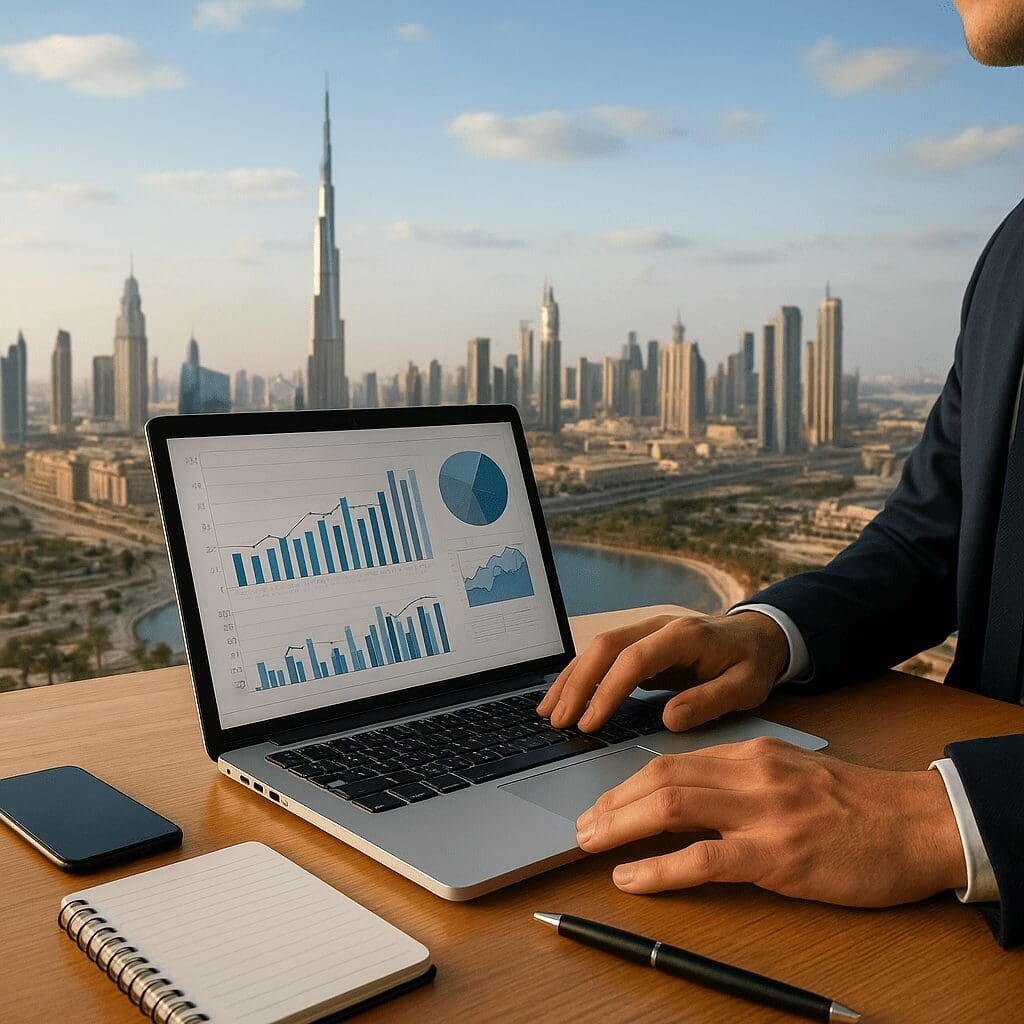
How Tourism in Dubai Influences SEO Tactics
Few cities compress as much scale, seasonality, and spectacle into the online customer journey as Dubai. A magnet for global tourism, the city’s event calendar, attraction density, and constant unveiling of superlatives reshape how travelers search, compare, and book. That user behavior ripples back into SEO priorities: keyword portfolios lean international and multilingual, map-pack visibility becomes existential for hospitality and dining, and technical foundations must be engineered for speed, translation, and structured discovery on Google—with a relentless focus on mobile experiences. Below is a deep dive into how Dubai’s visitor economy changes the playbook for search-led growth.
Why a tourism-led market changes search strategy
Dubai is not just another destination query; it is a whole decision tree. The city welcomed around 17 million international overnight visitors in 2023, returning to and surpassing its pre-2019 baseline. Dubai International Airport handled more than 86 million passengers the same year, putting it among the busiest hubs globally. Those flows show up in search: intent-heavy queries like Burj Khalifa tickets, desert safari, dhow cruise dinner, Dubai brunch, ladies night, Dubai Mall hours, and New Year fireworks spike alongside hotel and package searches.
Three forces entwine to make SEO more competitive and more technical in Dubai than in many other places:
- Platform gravity: Google dominates search market share in the UAE, routinely above 95 percent. Winning on one engine captures the vast majority of organic demand.
- Device reality: Roughly seven in ten web sessions in the UAE occur on mobile devices. Travelers inside the city also roam on international SIMs, increasing the cost of slow pages and bloated scripts.
- Aggregator pressure: Online travel agencies and activity marketplaces (Booking.com, Expedia, GetYourGuide, Klook, Viator) flood SERPs with sophisticated landing pages, rich markup, and huge review graphs.
Layered on top are micro-seasons. Peak weather months from November to March inflate search volumes across attractions and outdoor experiences, while Ramadan shifts intent to iftar, suhoor, and opening hours. Events like Dubai Shopping Festival, Art Dubai, Arabian Travel Market, Gitex, Dubai World Cup, and New Year’s Eve fireworks all create their own query spikes. That seasonality demands dynamic content, dynamic pricing, and event-specific landing templates that can be deployed quickly.
Keyword strategy led by intent, language, and time-in-market
Inbound markets such as India, GCC neighbors, the UK, Russia, and a rebounding China vary in language, time horizon, and device behavior. A single English-only keyword set misses material demand. Better structures start with segmenting by intent and by trip stage.
Top-of-funnel discovery
- What to do in Dubai, best time to visit, is Dubai expensive, Dubai itinerary 3 days, dress code, Ramadan tips for visitors
- Content format: editorial guides, weather charts, price indices, etiquette explainers, packing lists
Mid-funnel evaluation
- Burj Khalifa vs Sky Views, desert safari evening vs morning, dhow cruise creek or marina, Atlantis Aquaventure price, city pass comparisons
- Content format: comparison tables, pros and cons, price transparency modules, seasonal recommendations
Bottom-funnel booking
- Burj Khalifa tickets today, best brunch Dubai Saturday, hotel near Dubai Mall, desert safari tonight, open now near me
- Content format: inventory-led landing pages, real-time availability, FAQs, trust badges, maps, and short-form copy
To protect margins against marketplaces, pursue long-tail clusters where direct providers can beat or complement aggregators: kid-friendly desert safari, wheelchair accessible dhow cruise, rooftop brunch with Burj views, Dubai helicopter 15 minutes price, Dubai yacht private 2 hours sunset. Map child pages to a hub-and-spoke architecture anchored by category hubs such as things to do in Dubai, Dubai attractions, Dubai tours, and Dubai neighborhoods.
Local SEO in a map-pack world
For hospitality, attractions, restaurants, clinics, malls, and entertainment venues, the map pack is a primary distribution channel. The difference between position one and three can be the difference between a full night and a slow one.
- Own and optimize your Google Business Profile: match categories to searcher language, set precise opening hours including Ramadan and holidays, ensure phone numbers support WhatsApp where relevant, and post updates for major events.
- NAP consistency across local listings (Maps, Apple Maps, Careem, Waze, TripAdvisor) amplifies confidence signals.
- Reviews matter: volume, velocity, and recency all correlate with visibility. In-destination prompts after a visit, QR codes at exits, and multilingual responses improve both ranking and click-through.
- Photos and short videos that show the real experience reduce bounce and lift calls and directions taps.
Dubai’s urban fabric also means proximity matters. Neighborhood pages for Downtown, Business Bay, Dubai Marina, JBR, Palm Jumeirah, Bluewaters, Deira, Al Seef, Al Quoz, and Dubai Design District give Google strong geo-relevance and provide users meaningful orientation.
Technical SEO tailored to travel SERPs
Travel SERPs in Dubai are packed with rich results, image and video carousels, map packs, and booking modules. Technical readiness lets you surface across more placements and win zero-click attention.
- Core Web Vitals: ship responsive images, smart preloading for above-the-fold assets, and minimal JavaScript on pages closest to revenue, especially tickets and menus. Dubai’s local networks are fast, but roaming users are not guaranteed high throughput.
- Internationalization: use hreflang for English and Arabic at minimum, and consider Russian, German, French, Hindi, and simplified Chinese where share justifies it. Match currency and date formats per market while keeping canonical strategy clean.
- Structured data: add schema for Hotel, Restaurant, TouristAttraction, Event, Product, Offer, Review, AggregateRating, FAQ. Ensure ticket pages qualify for Things to do eligibility by aligning markup with Google’s guidelines and by enabling real-time availability where feasible.
- Server placement and CDN: host in-region or use a CDN with strong Middle East PoPs to minimize TTFB variability during peak event periods.
- Image SEO: travelers heavily rely on visuals. Use descriptive alt text, WebP or AVIF formats, and entity-rich filenames to rank in image carousels.
- Programmatic landing pages: for date-bound events, generate templated pages that can be updated annually without losing equity, for example Dubai New Year fireworks 2025, Ramadan iftar Dubai 2026.
Content that answers real-world micro-moments
Tourists in Dubai often decide within hours, not weeks. That makes micro-moment content critical: open now, nearest, today, tonight, with kids, with wheelchair, brunch Saturday, ladies night Monday, sunset time, best time for desert safari. Build short, scannable modules that answer in under 60 seconds and convert in under three taps.
- Itineraries by length: 8 hours in Dubai layover, 24 hours, 48 hours, 72 hours, one week. Include direct links to bookable products and real travel times between points.
- Seasonal concerns: summer heat playbooks with indoor options, Ramadan etiquette, public beach rules, dress code by venue type, alcohol regulations.
- Neighborhood crawls: Downtown day plan versus Marina evening plan with transit tips for Metro, tram, and taxis.
- Accessibility: pram and wheelchair access, prayer room locations, shaded walkways, and family bathrooms elevate usability and trust.
Treat your blog as a product: cluster posts into evergreen guides, keep them updated, and surface them contextually on transactional pages. Add FAQ sections that directly mirror the questions users ask in autosuggest and People Also Ask, and keep answers concise enough to win featured snippets.
Competing with marketplaces and mega-brands
OTAs and meta-search engines are formidable. They invest heavily in paid and organic inventory, and they own review graphs that feed user trust. To carve out direct share:
- Differentiate the product: exclusive time slots, hotel pick-up, small-group caps, family bundles, upgrade paths, and free rescheduling reduce pure price comparisons.
- Build a brand moat: collect and display verified reviews on your domain, publish guide-quality content, and showcase local certifications and awards.
- Own the entity: make sure your attraction or venue is the primary entity in Google’s Knowledge Graph with accurate data in Wikidata, authoritative media coverage, and consistent naming across languages.
- Use Things to do: integrate with Google’s program so official tickets surface alongside OTA listings, with clear pricing and availability.
For hotels, local dining, and nightlife, Dubai-specific search habits like Saturday brunch and ladies night create recurring high-intent slots. Owning those weekly moments with evergreen pages and fresh menus is a structural advantage against aggregators that list but do not curate.
Trust signals, compliance, and cultural fluency
In a market of first-time visitors, trust is conversion fuel. Showcase tourism license numbers where applicable, refund and reschedule policies, WhatsApp for customer support, and staff names on content pieces to strengthen provenance. Google’s quality algorithms reward sites that demonstrate real-world experience and depth. Align your editorial tone and author bios with the expectations of E-E-A-T.
Cultural fluency also converts: Arabic pages should read in Modern Standard Arabic but respect local phrasing. English should assume a global reader, not only UK or US norms. Be explicit about public behavior expectations, Ramadan etiquette, and venue dress codes. Those pages earn links, rank broadly, and reduce friction at checkout.
Multimedia dominance: images, short video, and UGC
Visual storytelling wins in Dubai, where skylines, beaches, deserts, and malls compete for attention. Embed short video carousels that answer how it looks, how long it takes, and where to stand for the best view. Provide downloadable maps for malls and attractions. Encourage user-generated content through hashtags and contests, then request permission to feature the best assets on product pages with credits. Genuine UGC improves click-through on SERPs and builds topical authority.
Analytics, attribution, and first-party data
Cookie policies and cross-device behavior can distort last-click attribution, especially when travelers research abroad and book in destination. Design your analytics to capture helpful first-party signals:
- Server-side event tracking for check availability and start checkout events, with clear privacy controls aligned to UAE’s data protection law.
- Separate profiles for in-destination traffic using local IP ranges or city-level geo to analyze now needs versus pre-trip planning.
- Content grouping by intent stage to isolate how top-of-funnel articles assist bottom-funnel conversions.
- Promo code taxonomies tied to events so you can measure return on event-themed content.
Build remarketing audiences from content consumption signals that demonstrate intent, like price view, route map view, or timing calculators. Those cohorts respond well to limited-time offers aligned to event calendars.
Internationalization playbook that actually converts
Translate what sells, not everything. Prioritize pages by revenue opportunity and by source market share. Avoid mixing languages on a page, use explicit language and regional targeting, and maintain dedicated sitemaps per language to help discovery. Keep forms and carts localized: AED default pricing with smart currency selectors, address forms that accept non-Latin characters where needed, and payment methods familiar to travelers. The payoff is better engagement metrics and a higher likelihood of conversion.
Technical patterns that scale
- Edge caching for search landing pages during mega-events to avoid timeouts, especially on ticket drops.
- Inventory APIs powering both paid and organic landing pages to prevent sold-out experiences from ranking and bouncing.
- Granular internal linking that reflects actual demand: surface ladies night from relevant dining pages on the right weekdays; push indoor activities in summer; automate heat-map driven promos to indoor attractions during high-temperature alerts.
- FAQ and How-to schema tied to questions like how to get to Expo City Dubai, best time for At the Top sunset, can you bring strollers to Dubai Fountain show.
Winning the SERP beyond blue links
Dubai’s biggest keywords are increasingly zero-click. To secure attention when clicks are scarce:
- Optimize for image and video carousels: precise titles, timestamps, location tags, and entity mentions.
- Own People Also Ask with succinct, updated answers that refer deeper into your pages.
- Push for site links by tightening your information architecture, so users jump straight into tickets, menus, or directions.
- Leverage Events schema to appear in event carousels for festivals, concerts, and holiday activations.
Backlinks and digital PR in a city of headlines
Dubai’s publicity engine is a gift for organic growth if you harness it. Journalists and creators chase superlatives, firsts, and data. Package press-friendly assets: high-resolution photography, short fact sheets, and expert quotes. Commission small, credible data studies, like average queue times by attraction or the true cost of a beach day across neighborhoods. These attract editorial backlinks from local and international media, which compound authority for your entire domain.
Partnerships also matter. Co-create content with airlines, hotels, and malls, linking to dedicated landing pages and itineraries that feature both brands. Align these with events when appetite for new angles is highest.
Case examples: applying the tactics
Attraction operator
- Build language-specific ticket pages with live availability and clear refund terms.
- Add TouristAttraction, Product, Offer, and FAQ markup to qualify for rich results and Things to do surfaces.
- Create micro-itineraries, for example Dubai Mall half day, linking to dining partners and transport steps.
- Launch seasonal landing pages for New Year, Ramadan timings, and summer indoor promotions.
Restaurant group
- Own ladies night, business lunch, and Saturday brunch keywords with weekly-updated menus and reservation CTAs.
- Optimize Google Business Profiles with neighborhood modifiers and proper categories per outlet.
- Encourage reviews right after checkout via QR and WhatsApp flows; respond in English and Arabic.
- Publish neighborhood guides that embed the venues organically and earn local links.
Boutique hotel
- Target layover and short-stay itineraries with Metro proximity and transit time calculators.
- Package stay plus experience bundles for summer, offering indoor attractions and late check-out.
- Add Hotel schema, ListItem breadcrumbs, and image sets that match room names travelers search for.
- Translate priority pages into Arabic, Russian, and German to mirror booking sources.
Metrics that matter for Dubai
Track what predicts revenue in a tourist city:
- Map pack impressions and calls/directions clicks per outlet
- Availability views and add-to-cart rate for tickets and experiences
- Snippet capture rate for PAA questions relevant to weekly rituals and events
- Mobile CWV pass rate for LCP and INP on event and ticket pages
- Language split of organic sessions and revenue by landing page group
- Review velocity and average rating by outlet and language
Benchmark season-on-season, not only month-on-month, to account for event shifts and Ramadan timing. Build rolling forecasts from search volume trends in the 8 to 10 weeks preceding key events and from historical booking windows by market.
Revenue resilience across seasons
Dubai’s shoulder and summer months reward operators who treat indoor content as a product. Rebalance your homepage, navigation, and featured experiences around indoor and night-time activities. Publish honest climate intel and practical cooling tips that earn trust. Travelers who feel prepared are more likely to choose your brand when they are ready to transact.
Pitfalls to avoid
- One-language sites that ignore Arabic and key inbound languages.
- Thin, affiliate-only guides that cannot compete with OTAs or local publishers.
- Slow, script-heavy pages that collapse under peak demand around fireworks or festival weeks.
- Ignoring weekly rituals such as brunch and ladies night that anchor recurring intent.
- Stale opening hours during Ramadan and special holidays that trigger negative reviews and reduced local rankings.
A practical, Dubai-first checklist
- Claim and optimize all Google Business Profiles; set event and Ramadan hours in advance.
- Ship Core Web Vitals fixes for ticketing and menu pages before peak season.
- Implement multilingual routing with correct hreflang and currency display.
- Add complete travel schema: entity, offer, review, and FAQ coverage on transactional pages.
- Stand up evergreen event templates for New Year, Ramadan, Shopping Festival, and summer indoors.
- Publish itineraries for 8h, 24h, 48h, and 72h that interlink to products and neighborhood pages.
- Run an image and short-video refresh; target image SERP placements with entity-rich metadata.
- Design QR-based review prompts and multilingual response playbooks.
- Launch a small data-driven PR asset per quarter to attract editorial links.
- Measure map interactions, availability views, and add-to-cart funnels separately for in-destination users.
Closing perspective
Dubai’s visitor economy makes organic growth a high-velocity, multilingual, and multimedia challenge. Brands that match the city’s rhythm—weekly rituals, seasonal pivots, and event spikes—turn search into a dependable revenue channel. Focus on clarity over hype, performance over pixels, and trust over tricks. Do those consistently, and your visibility will keep up with a city that never slows down.