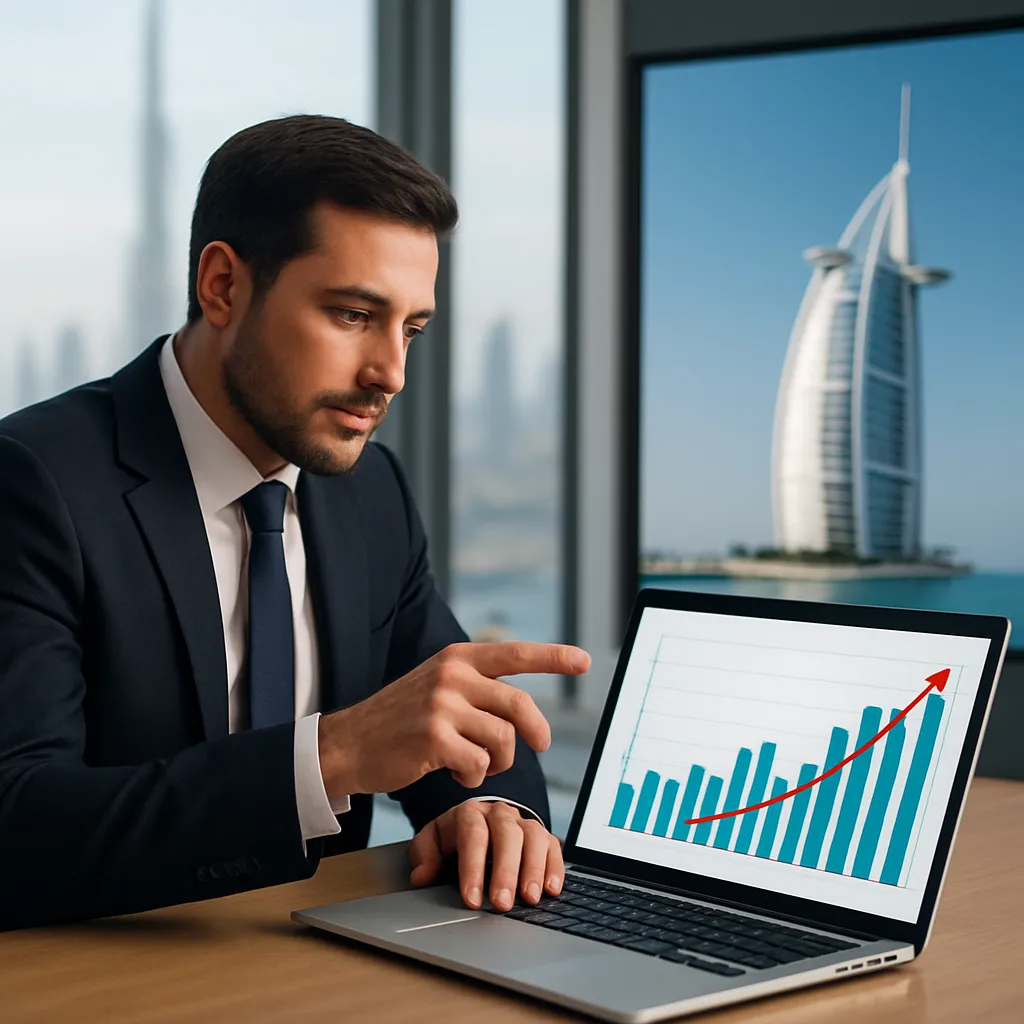
The Impact of Dubai Mega Events on Search Trends
Global mega events hosted in Dubai, from world‑class exhibitions to large‑scale sports tournaments and cultural festivals, mają wyraźny wpływ na how people search online. Every opening ceremony, record‑breaking attraction or high‑profile conference instantly translates into spikes in search queries, shifts in user intent and new patterns of digital discovery. For online marketers this is not only a fascinating phenomenon, but also a measurable opportunity to capture demand, build awareness and convert interest into bookings, leads and sales.
Why Dubai Mega Events Reshape Search Behaviour
Dubai has deliberately positioned itself as a hub for **tourism**, **business**, **innovation** and entertainment. Mega events are a core instrument of this strategy. From Expo 2020 Dubai and COP28 to the Dubai Shopping Festival, GITEX Global, Art Dubai or the Dubai World Cup, each event temporarily becomes a global media magnet, generating millions of online impressions and conversations. This exposure directly impacts search behaviour in several ways.
First, mega events trigger an immediate surge in informational searches. Months before an event starts, users begin to look for schedules, participating brands, ticket prices, travel restrictions and on‑site experiences. Around Expo 2020 Dubai, Google Trends data showed multi‑fold increases not only in branded queries like “Expo 2020 tickets” but also in generic queries such as “things to do in Dubai October” or “Dubai pavilions must see”. Marketers who monitored these long‑tail queries could create targeted content answering very specific questions, capturing organic traffic that traditional travel guides did not address quickly enough.
Second, mega events reframe Dubai in the minds of users who previously had no strong association with the city. Someone interested in climate policy might discover Dubai through COP28; a tech entrepreneur might encounter the city through GITEX; a luxury shopper might meet Dubai via the Shopping Festival. Each of these audiences then generates search demand that blends the event niche with the destination, such as “climate conference Dubai hotels”, “GITEX startup investor meetings” or “Dubai outlet shopping festival deals”. This fusion of thematic and geographic intent is where many of the most valuable conversion opportunities arise.
Third, mega events compress consumer decision journeys. Under normal circumstances a user might research a destination for weeks or months. During a high‑profile event, the exposure is sudden and intense, creating many “micro‑moments” where a single video, news article or social post pushes a user to search, compare and book within hours. These accelerated journeys require agile campaign management, real‑time bidding adjustments and rapid landing‑page optimisation. Brands that cannot adapt in near real time risk missing the narrow window in which intent is strongest.
Finally, mega events leave a long digital tail. Even after an event ends, its content lives on in search results, YouTube videos, blog posts and social media threads. For Dubai, this means ongoing residual traffic from queries like “best Expo 2020 pavilions ranked” or “what we learned from COP28 Dubai” months or years later. Smart content strategies transform one‑off events into enduring sources of traffic and authority, especially in specialised verticals such as sustainability, smart cities, fintech or luxury tourism.
Key Search Trends Observed Around Dubai Mega Events
From the standpoint of **internet marketing**, several recurring patterns emerge when analysing search data around Dubai’s flagship events. While precise numbers vary by source and time frame, available statistics give a sense of the scale and composition of demand.
1. Volume Surges and Geo‑Specific Interest
Mega events create dramatic but uneven spikes in search volumes. For example, according to Google Trends during the peak months of Expo 2020 Dubai, global interest in the term “Dubai Expo” was dozens of times higher than in the preceding years. But the increase was not limited to obvious branded keywords. Terms related to flights, hotels and attractions experienced parallel growth. Regional differences were striking: search intensity for Dubai‑related queries jumped sharply in India, Pakistan, Saudi Arabia, the UK, Russia and several European countries, mirroring visitor demographics published by Dubai’s Department of Economy and Tourism.
Estimates from Dubai tourism authorities indicated that Expo 2020 attracted over 24 million visits, with digital campaigns generating billions of impressions worldwide. This magnitude naturally feeds back into search. Queries such as “Dubai visa requirements”, “Dubai weather October”, “best area to stay Dubai Expo”, “Dubai Metro Expo line” or “restaurants near Expo site” became highly competitive search terms. Many smaller businesses around the event site reported significant increases in website traffic when they optimised for location‑based phrases linked to Expo stations and nearby districts.
Another pattern is the shift from generic to hyper‑local search intent closer to the event dates. Months before a mega event, users often search in broad terms like “visit Dubai 2024” or “Dubai event calendar”. As the date approaches, queries become narrow and urgent: “parking Expo site today”, “how to get to Dubai Harbour cruise event”, “last minute Dubai flight from Riyadh”. For paid search campaigns, this shift suggests a phased bidding strategy: early emphasis on discovery keywords and content marketing, followed by heavier investment in transactional terms as the event window narrows.
2. The Interplay of Brand, Event and Category Keywords
When a mega event gains momentum, it tends to integrate three clusters of keywords: the destination brand (Dubai), the event brand (Expo, GITEX, Dubai Shopping Festival, Dubai World Cup) and the relevant category (technology, luxury, real estate, sustainability, fashion, sports betting, etc.). Users rarely search for the event in isolation; they embed it in a buying, learning or planning context. Examples include “Dubai Shopping Festival gold offers”, “GITEX Dubai SaaS exhibitors”, “COP28 Dubai business events”, “Dubai World Cup hospitality packages” or “Art Dubai NFT talks”.
For marketers, this points to the value of building content silos where destination, event and category terms reinforce each other. A travel agency might create a guide titled “How to Experience Dubai Shopping Festival: Fashion, Gold and Family Deals”, structuring the page around festival dates, top malls, transportation tips and curated offers. A B2B technology firm exhibiting at GITEX might invest in landing pages optimised for “GITEX Dubai cloud security demo”, “meet us at GITEX Global Dubai”, or “AI solutions for smart cities Dubai expo centre”. The goal is to intercept users who already intend to engage with the event, positioning the brand as a helpful partner rather than a random advertiser.
Importantly, there is an asymmetry between large, well‑known brands and smaller players. Global hotel chains, airlines and multinational sponsors typically dominate head terms like “Dubai hotels Expo”, but long‑tail, niche or language‑specific searches leave room for agile marketers. For example, Polish‑language or Arabic‑language guides targeting specific professions (“engineers visiting GITEX”, “teachers visiting Expo educational programmes”) can gain organic traction with modest budgets, precisely because the big players are not competing for those nuanced queries.
3. Seasonal Cycles and Overlapping Events
Dubai’s event calendar is intentionally dense, with overlapping seasons that create layered waves of search interest. The winter and early spring months often combine several attractions: Dubai Shopping Festival, major sporting events, art fairs and business conferences. This means search trends can compound. Someone planning a winter trip might discover that during their dates they can visit both a tech expo and a major music festival, leading to complex search behaviour such as “Dubai January events”, “combine GITEX with desert safari”, or “best malls for shopping festival fireworks”.
From an internet marketing perspective, this overlap can be leveraged through cross‑event content. Instead of focusing solely on a single mega event, savvy brands produce guides to “Dubai winter event season”, “business plus leisure in Dubai”, or “where to stay in Dubai to access most events”. By doing so, they capture users who are only vaguely aware of one event but open to a broader itinerary. This is particularly valuable for mid‑range hotels, airlines promoting stopovers, and destination management companies designing packages that connect conferences with tourism experiences.
At the same time, overlapping events increase competition for attention and ad inventory. Cost‑per‑click for high‑intent travel and accommodation keywords can rise substantially during peak seasons. Marketers need to model these fluctuations using historical data and adjust their budgets and target keywords accordingly, perhaps shifting emphasis toward content and email marketing in periods where paid search becomes prohibitively expensive.
4. Mobile‑First, Social‑Amplified Search
Another critical trend is the dominance of mobile devices in event‑related search. On‑the‑go queries like “nearest metro station Expo”, “parking Dubai Mall tonight”, or “restaurants open late near Dubai Harbour” are overwhelmingly mobile. During mega events, many visitors use search engines not only to plan in advance, but also to navigate in real time. This transforms search from a purely pre‑trip research tool into an in‑destination companion.
Social media acts as a powerful amplifier. A viral TikTok about an installation at Expo or a fireworks show at the Shopping Festival can instantly drive a spike in related search queries as users try to locate, price or contextualise what they have just seen. The feedback loop is clear: content sparks curiosity, curiosity leads to search, and search leads to bookings or social sharing. Brands that monitor not only search trends but also social hashtags connected to mega events gain a predictive edge: they can anticipate tomorrow’s queries based on today’s posts.
Strategic Implications for Internet Marketing
Understanding how Dubai mega events affect search trends is only valuable if it translates into better digital strategies. Several key implications emerge for SEO, paid search, social advertising and broader digital **branding** efforts.
1. Event‑Centric SEO and Content Architecture
For organic search, mega events are an opportunity to design content around user intent stages: awareness, planning, booking and experiencing. Rather than a single “event” page, marketers should consider building interconnected content clusters.
- Pre‑event awareness content might include explainers about the event theme, interviews with organisers, historical context and “why attend” articles. For example, “What is GITEX Global and why it matters for startups?” or “Guide to sustainability themes at COP28 Dubai”. Although these pages may not convert directly, they attract links and social shares, strengthening domain authority.
- Planning and logistics content targets queries like “how to get to Expo site from Marina”, “visa for attending conference in Dubai”, “budget accommodation near Dubai World Trade Centre”. This content directly supports booking decisions and can be tied to lead capture forms, affiliate links or product recommendations.
- On‑site experience content focuses on live needs: “best pavilions to visit at Expo with kids”, “top networking events during GITEX”, “family activities during Dubai Shopping Festival”. These pieces, optimised for mobile and updated frequently, help capture in‑destination searches.
- Post‑event recap content sustains long‑term traffic: “top innovations revealed at Expo Dubai”, “business lessons from GITEX for SMEs”, “how Dubai Shopping Festival changed regional retail”. By ranking for reflective queries, brands maintain relevance and keep building trust until the next event cycle.
From a technical SEO perspective, structured data, clear internal linking and fast, mobile‑optimised pages become critical, especially when spikes in traffic strain servers. Multi‑language content is also a major advantage in Dubai’s context. Providing pages in Arabic, English, Russian, Hindi, Urdu or Polish can dramatically expand reach, reflecting the diverse origin markets of event visitors.
2. Agile SEM and Real‑Time Bidding
In paid search, mega events require flexible strategy and dynamic optimisation. Keyword performance can shift daily, and cost‑per‑click may rise quickly as competitors increase bids. Effective campaigns around Dubai events usually combine several tactics:
- Early‑stage discovery campaigns built around broader keywords (“Dubai events 2025”, “technology conference Dubai”, “Dubai shopping festival dates”) to capture initial interest and feed remarketing lists.
- Mid‑funnel campaigns that target people comparing options, e.g. “hotels near Expo metro”, “Dubai winter sun packages”, “GITEX business travel deals”. Here, ad copy should emphasise proximity to venues, flexible cancellation, and unique extras like shuttle services to main event locations.
- Last‑minute and local campaigns aimed at users already in the region: “today’s Dubai events”, “expo afterparty tickets”, “late checkout hotel Dubai Marina”. Geo‑fencing and local extensions can increase relevance, while ad scheduling ensures visibility during peak decision hours.
Remarketing is particularly effective. Visitors who previously engaged with content about a Dubai event can be targeted with time‑sensitive offers as the event approaches, such as discounted packages or value‑added services. Combining search remarketing lists with demographic and affinity targeting helps narrow focus to high‑value audiences: business travellers, high‑spending tourists or tech professionals.
3. Integrating Social, Influencers and Search
Since social platforms strongly influence event‑driven search, synchronising campaigns across channels is crucial. When a brand sponsors or participates in a Dubai mega event, social activity should be aligned with search campaigns in terms of naming conventions, hashtags and landing pages. A consistent use of event and destination keywords in social posts, video titles and influencer content increases the likelihood that users searching later will encounter the same brand narrative.
Influencer partnerships are especially powerful around visually rich events like Expo, Art Dubai or the Shopping Festival. Short‑form videos showcasing unique experiences, hidden spots or exclusive previews often trigger immediate curiosity. Including clear calls to action that encourage viewers to “search for our Dubai festival guide” or visit a specific, SEO‑optimised landing page bridges the gap between social discovery and organic search.
Moreover, user‑generated content provides valuable keyword insights. By analysing the language visitors use in reviews, captions and comments, marketers can discover new long‑tail phrases to target in SEO and SEM. For example, if many attendees describe a district as “the quiet area near Expo” or repeatedly mention “family‑friendly Dubai winter activities”, these phrases can guide content creation and ad copy.
4. Data, Attribution and Cross‑Border Measurement
Mega events with global reach pose a measurement challenge: how to attribute online behaviour in multiple countries to a single event in Dubai. Users might first encounter a campaign on social media in Europe, perform follow‑up searches weeks later from Asia, then complete a booking on a partner website. Without robust tracking, it is easy to underestimate the role of event‑related marketing.
Marketers increasingly rely on blended attribution models, combining first‑party analytics, campaign UTM tagging, CRM data and privacy‑compliant identity solutions. Tracking which content pieces, keywords and ads first exposed users to the Dubai event idea allows more accurate budgeting for future cycles. For example, a brand may discover that top‑of‑funnel webinars about “doing business in the Gulf” drive relatively few immediate bookings, but a high proportion of eventual event‑related conversions, justifying continued investment.
From a strategic angle, Dubai’s mega events also offer testing grounds for innovative measurement techniques such as incrementality experiments or media‑mix modelling. By running controlled campaigns in specific origin markets during the run‑up to an event and comparing search and booking lift against control regions, destination marketers can quantify the true added value of digital advertising tied to mega events.
Opportunities and Challenges for Brands Leveraging Dubai Events
While Dubai mega events open numerous opportunities for online marketers, they also introduce challenges that require careful planning, realistic budgeting and ethical responsibility.
1. Rising Competition and Brand Differentiation
As more brands recognise the value of Dubai’s events, competition intensifies. Generic content like “Top 10 things to do during Expo” quickly becomes commoditised, with hundreds of similar articles and videos. The brands that stand out typically do one of three things: specialise, personalise or integrate.
Specialisation means targeting a narrow segment with deep expertise: “Expo Dubai for architecture students”, “GITEX for cybersecurity vendors”, “Dubai Shopping Festival for watch collectors”. Personalisation leverages data to present different recommendations based on user profiles or origins, making content feel more relevant than one‑size‑fits‑all guides. Integration connects online and offline experiences: apps that combine event schedules, transport suggestions and personalised offers; loyalty programmes that reward both digital engagement and on‑site spending; or concierge services that bridge pre‑trip research, booking and in‑destination support.
2. Managing Reputation and User Experience
During mega events, small service failures can escalate quickly online. A hotel that overbooks during Expo, a tour operator that cancels a desert excursion, or a conference that suffers from poor organisation may face a wave of negative reviews and social criticism. These, in turn, influence future search behaviour: queries like “is Expo Dubai worth it?”, “GITEX scam?”, or “Dubai festival crowds” can gain prominence if sentiment turns sour.
Internet marketing must therefore be tightly linked with operations and customer care. Rapid response to complaints, transparent communication about limitations and proactive information updates on websites and social channels help prevent issues from dominating search results. Multilingual FAQ pages addressing common event‑related questions (ticket changes, transport disruptions, weather contingencies) both improve SEO and mitigate frustration.
3. Sustainability, Ethics and Long‑Term Positioning
Large‑scale events in Dubai increasingly face scrutiny regarding sustainability, labour conditions and environmental impact. Online conversations about COP28, for instance, combined climate policy debates with criticisms of fossil fuel dependence. This discourse influences search, leading to queries like “green hotels Dubai”, “sustainable Expo pavilions”, “ethical tourism Dubai”. For brands, there is an opportunity—and a responsibility—to address these concerns sincerely rather than treating them as mere marketing angles.
Publishing transparent sustainability reports, highlighting eco‑friendly initiatives (such as energy‑efficient venues, water‑saving measures, recycling programmes or carbon‑offset options), and engaging with critical questions in blog posts or Q&A formats can build credibility. Over time, this contributes to positioning both the brand and Dubai itself as serious actors in global conversations, not just glossy event hosts.
Conclusion: Mega Events as Long‑Term Search Assets
Dubai’s mega events illustrate how physical gatherings of people, ideas and experiences reshape the digital landscape. Each conference, festival or global exhibition is simultaneously a content engine, a demand generator and a catalyst for new **search** patterns. For marketers focused on **digital** channels, these events are not simply short‑term spikes to exploit, but strategic assets that can yield value before, during and long after the main dates.
The most effective approaches treat mega events as part of a wider narrative about Dubai as a hub of **innovation**, hospitality and opportunity. By aligning SEO, SEM, social media, influencer collaborations and on‑site experiences around genuine user needs, brands can transform fleeting attention into durable relationships. The essential task is to listen closely to what search data reveals—about desires, doubts and discoveries—and to respond with content and services that enrich the journey, whether the user attends one Dubai event or returns to the city many times over future seasons.