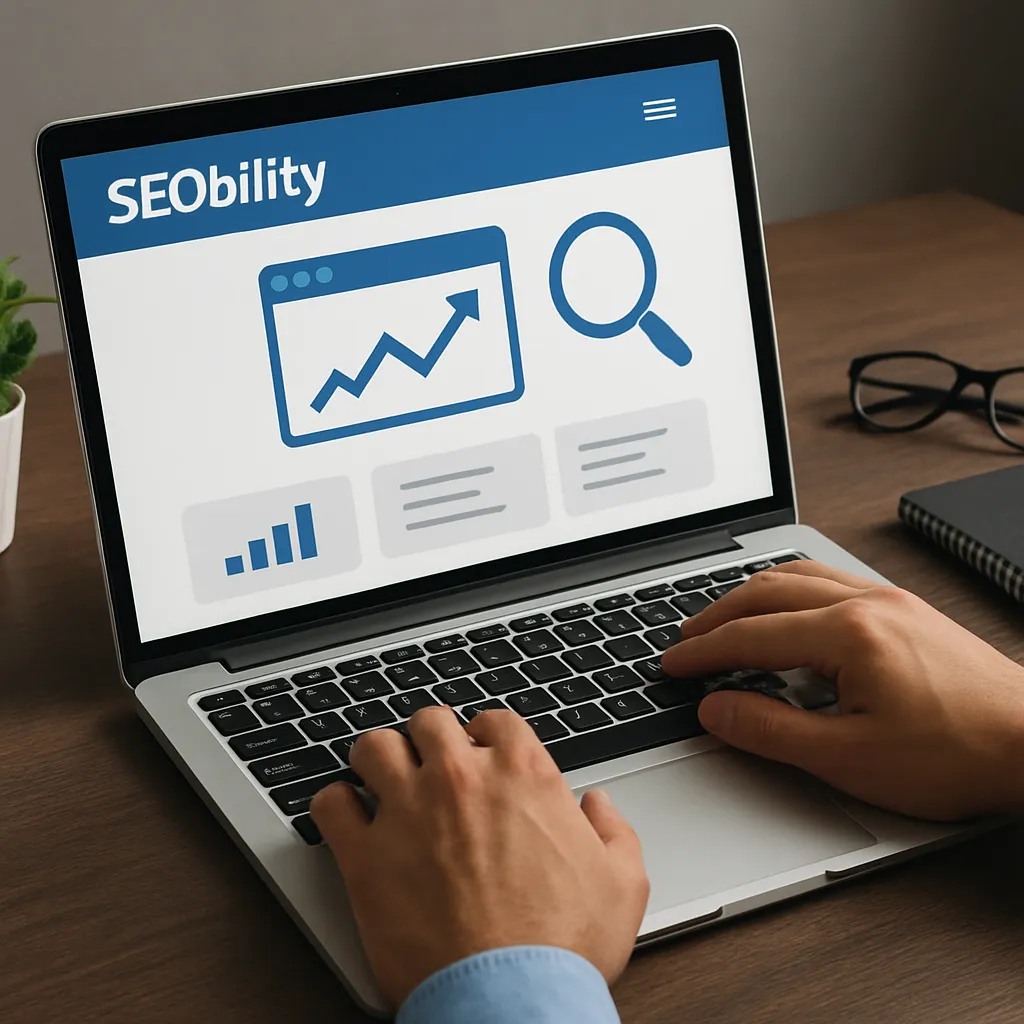
SEObility
SEObility is an all‑in‑one SEO software suite designed to help website owners, marketers and agencies improve their visibility in search engines, diagnose technical issues and monitor ranking performance over time. It combines crawler‑based analysis, keyword tracking, backlink evaluation and content optimization features in a single platform, making it an attractive option for both beginners and experienced professionals who want a structured workflow for search engine optimization.
Key features and core use cases of SEObility
One of the central elements of SEObility is its integrated website crawler, which scans your domain similarly to how search engine bots do. This crawler identifies technical issues that may block or slow down organic growth. Typical findings include broken links, duplicate content, missing meta tags, incorrect status codes, mixed content problems and pages that are not properly indexed. For many users, this automated crawl becomes the starting point for a systematic cleanup of their site.
Beyond the general crawl, SEObility also offers an on‑page SEO analysis component. Here, the tool evaluates titles, descriptions, heading structures, internal linking and keyword usage. Each page can receive a kind of optimization score, showing how well it aligns with basic on‑page best practices. While this is not a replacement for strategic human thinking about content, it is extremely useful for catching oversights and inconsistencies on large sites where manual checks are time‑consuming and error‑prone.
Another frequently used part of SEObility is rank tracking. Users can monitor how their most important keywords perform in Google over time, across different countries and devices. Rankings can be grouped into projects, and data can be visualized with charts to make trends more obvious. This is essential for measuring the impact of ongoing SEO campaigns and for detecting sudden visibility drops that may indicate penalties, algorithm updates or technical problems such as unexpected noindex tags.
SEObility also includes a backlink analysis module, which helps users review the quality and quantity of incoming links pointing to their domain. While it does not aim to compete with large, specialized link databases, it still provides valuable insight into referring domains, anchor texts and the balance of follow versus nofollow links. For smaller websites or local projects, this can be sufficient to monitor off‑page signals and identify potentially harmful, spammy links that should be disavowed.
In addition to these core features, SEObility provides a content optimization tool often referred to as a TF‑IDF or term‑based analysis. It compares the vocabulary of top‑ranking pages for a specific topic with your own page content. This way, SEObility suggests secondary terms, entities and phrases that appear frequently within the competitive landscape but may be missing from your text. Used correctly, this feature can guide more holistic, semantically rich content creation without resorting to keyword stuffing.
An important practical aspect is project management. SEObility allows you to create multiple projects for different domains or subdomains, each with its own crawling, tracking and reporting configuration. This makes the software suitable for agencies and consultants who manage many clients simultaneously. Reports can usually be exported or sent automatically at regular intervals, which streamlines communication with stakeholders who want clear evidence of progress.
How SEObility helps improve SEO performance in practice
The real value of a tool like SEObility emerges when it is embedded in a consistent optimization process. The first step often consists of a complete website audit. By letting the crawler run over the entire site, you obtain a prioritized list of issues according to severity. Typical high‑priority problems are 404 errors on important pages, incorrect canonical tags, blocked resources in robots.txt or indexation issues due to meta robots directives. Fixing these problems can significantly improve how search engines understand and index the site.
Once the fundamental technical state of the website has improved, SEObility’s on‑page analysis and content module become more central. Marketers can use the tool to identify pages with thin content, missing headings or poorly optimized titles. By aligning title tags, meta descriptions and heading structures with user intent and primary keyphrases, click‑through rates in search results may increase, which in turn can have a positive impact on overall rankings. The TF‑IDF‑based suggestions guide writers to include relevant supplementary terms that often appear in high‑ranking documents for a topic.
In parallel, the rank tracking functions support an evidence‑based feedback loop. After implementing changes, SEObility enables you to follow how targeted search terms move in the SERPs over days and weeks. Instead of guessing, you can see whether optimization measures lead to stable improvements or if rankings fluctuate. This monitoring is especially helpful when you test new content structures, change internal linking patterns or experiment with new landing pages aimed at specific search queries.
The backlink module also contributes to performance, even though it is not as extensive as specialized link intelligence platforms. For many small and mid‑sized sites, the main goals in off‑page optimization are to avoid toxic links and build a modest portfolio of high‑quality, relevant references. SEObility makes it possible to recognize unusual spikes in low‑quality backlinks, which may be a sign of negative SEO or automated spam. By identifying such patterns early, webmasters can react with cleanup efforts and, if necessary, a disavow file, helping to protect their domain’s authority and long‑term trustworthiness.
For local businesses, SEObility can be particularly effective when used together with other local SEO activities such as Google Business Profile optimization, review management and citation building. Measurements of rankings for location‑specific keywords like “dentist in Berlin” or “plumber near me” allow local companies to see whether their optimization efforts translate into visibility within their service area. Combined with consistent NAP data and local content, the insights from SEObility can become a powerful lever for acquiring more local leads.
Another practical benefit is how SEObility can reveal structural problems related to internal linking. The crawler’s visualizations and reports often highlight orphan pages, very deep page levels and imbalanced link distribution. These issues are frequently underestimated but have a direct impact on how link equity flows through a website and how easily search engine bots can discover and revisit important pages. By restructuring menus, breadcrumbs and contextual links according to SEObility’s findings, many sites achieve better crawl efficiency and an improved allocation of internal PageRank.
From a workflow perspective, SEObility simplifies routine tasks through automation. Scheduled crawls and ranking updates run in the background and produce alerts or email summaries that draw attention to anomalies. This allows SEO professionals to react quickly to indexation problems, sudden ranking drops or increases in 4xx and 5xx errors. Instead of manually performing checks every few days, teams can use their time to develop strategies, optimize content and build relationships, while SEObility continuously monitors the technical and visibility baseline.
It is important to emphasize that SEObility is not a magic button for instant top rankings. Rather, it is a diagnostic and monitoring environment that supports a data‑driven optimization process. The real improvements come from interpreting the data correctly and implementing changes thoughtfully. When used by someone who understands search engine guidelines and user intent, the tool provides a clear roadmap for gradual, sustainable growth in organic traffic.
Opinions, strengths, limitations and who SEObility is best for
SEObility tends to receive positive feedback from users who value clarity and ease of use. The interface is designed to be accessible even for less technical marketers, with color‑coded indicators and straightforward explanations of basic SEO concepts. This lowers the barrier for small business owners or bloggers who are not full‑time SEO specialists but still want to manage their online presence more professionally. For many of these users, SEObility offers an attractive balance between functionality and complexity.
A major strength is the integrated nature of the platform. Instead of combining separate tools for crawling, rank tracking and on‑page analysis, SEObility brings everything together in one place. This coherence speeds up the learning curve and makes reporting more uniform. Consultants and agencies, in particular, appreciate the ability to generate project‑based reports that cover technical health, ranking development and content optimization suggestions in a single document.
Another positive aspect is the cost‑benefit ratio. SEObility is often perceived as more affordable than some enterprise‑level SEO suites while offering enough depth for serious optimization work. Especially for small and medium‑sized companies, this combination of price and functionality is appealing. The software provides a relatively low‑risk opportunity to get started with systematic SEO without committing to very expensive license models.
However, it is also important to consider the limitations. Compared to large, specialized backlink databases, SEObility’s link index is more modest. For extensive link research, competitive link gap analyses or advanced off‑page strategies, many professionals still complement SEObility with other third‑party tools. Likewise, keyword databases and SERP feature analyses might not be as extensive as those in top‑tier, global SEO platforms built for large corporations and complex international campaigns.
In terms of user experience, some advanced users may find the interface and reporting options somewhat simplified. While this is beneficial for beginners, highly specialized SEO experts might wish for more granular control over crawl parameters, custom segmentation options or very detailed technical diagnostics. That said, for the majority of medium‑sized projects, the level of detail provided by SEObility is more than adequate to identify and solve typical SEO challenges.
From an editorial point of view, SEObility’s content suggestions and TF‑IDF analysis should be used thoughtfully. The tool can indicate missing thematic areas and relevant related terms, but it cannot fully understand searcher intent, brand tone or editorial priorities. Writers and strategists need to interpret the suggestions critically, choosing only the terms that genuinely add value for readers. Over‑reliance on any automated term list can lead to bloated texts that satisfy algorithms more than users, which is not desirable in a long‑term content strategy focused on user satisfaction.
Regarding performance and stability, SEObility generally performs reliably for daily operations. Crawls and ranking updates progress at a reasonable speed, and the platform is accessible via browser without complicated installation. This makes it easy to use the software across teams and devices. For agencies that collaborate remotely or work with external freelancers, this browser‑based approach simplifies access rights, project sharing and day‑to‑day cooperation on optimization tasks.
Considering all of these aspects, SEObility is particularly well suited for small and medium‑sized businesses, in‑house marketing teams with limited resources, freelancers and boutique agencies that need a structured yet affordable toolset. It is ideal for projects where a solid technical foundation, clear visibility monitoring and ongoing on‑page refinement are more important than extremely deep competitive intelligence or enterprise‑level integrations. Within this context, SEObility can be a powerful companion in building sustainable organic traffic and a healthier, better optimized website.
At the same time, SEObility also fits into the tool stack of more advanced professionals as a complementary platform. Many experienced SEOs use it alongside specialized crawling tools, log file analyzers or advanced backlink databases, especially when they appreciate the simplicity of SEObility’s dashboards and the convenience of automated reports for clients. By combining its strengths with other niche tools, they can cover both high‑level reporting needs and very deep technical analyses.
Overall, SEObility contributes to real‑world SEO improvement by providing structured visibility into a website’s health, rankings and content relevance. It encourages a methodical approach to optimization, from technical cleanup through content enrichment to continuous performance monitoring. The software does not replace strategic thinking, creativity or a nuanced understanding of target audiences, but it equips users with practical diagnostics and clear metrics. When combined with a thoughtful strategy and consistent implementation, SEObility can genuinely support better search performance, higher organic reach and a more resilient online presence over time.